How To Attack The Turtle Position
0
Turtle Position·The Grappling Academy
SALE SALE SALE OVER 50% OFF – BOX SET – ALL 4 COURSES 50% OFF CLICK HERE – https://bit.ly/2lAOHmp • The Blue Belt Sup…
Translation: turtle position
The Turtle Position group encompasses all positions related to the turtle — the defensive curled-up posture on hands and knees — from both the perspective of the turtled fighter and the attacking fighter on top. [1] The turtle is a transitional position that occurs frequently in grappling during guard pull defence, takedown defence, sweep defence, and scrambles. [1],[2] This group covers defensive turtle positions (standard turtle, tight turtle), attacking positions against the turtle (front headlock, seatbelt), and the wrestling referee position. [2],[3]
The turtle position has been a fundamental part of wrestling and judo since their origins, known as the 'referee's position' in wrestling and used defensively in judo to prevent pins. [1] BJJ incorporated the turtle as a transitional position with specific offensive and defensive techniques. [2],[3]
The turtle position provides protection against submissions and pins through the tucked posture, but sacrifices positional advantage and exposes the back. [1] In judo, the turtle is a commonly used defensive position, but in BJJ and MMA it is considered a vulnerable position due to back take and front headlock threats. [2]
Turtle is a common defensive position in judo (where it prevents osaekomi scoring) and wrestling. [1]
No images yet for this technique.
Sign in to suggest an image.
SALE SALE SALE OVER 50% OFF – BOX SET – ALL 4 COURSES 50% OFF CLICK HERE – https://bit.ly/2lAOHmp • The Blue Belt Sup…
No instructional courses yet for this technique.
Sign in to suggest a course.
Risk of injury to the person this technique is applied to
Turtle is a defensive shell position; vulnerable to back takes and chokes
Skill level needed to execute this technique reliably
Whether this technique is allowed under major competition rule sets
Jiu-Jitsu University (Saulo Ribeiro, 2008)
Alias sources — [1] Jiu-Jitsu University (Ribeiro, 2008) [2] Wrestling Physical Conditioning Encyclopedia (Welker, 2010) [3] Jiu-Jitsu University (Ribeiro, 2008) [4] United World Wrestling Rules
Effectiveness sources — [1] Jiu-Jitsu University (Ribeiro, 2008) [2] Kodokan Judo (Kano, 1986)
Official Kodokan ground technique classification system
Standard Japanese martial arts terminology (kanji/hiragana)
Established Japanese martial arts naming convention — native Japanese term (和語/漢語)
Alias sources — [1] Jiu-Jitsu University (Ribeiro, 2008) [2] Wrestling Physical Conditioning Encyclopedia (Welker, 2010) [3] Jiu-Jitsu University (Ribeiro, 2008) [4] United World Wrestling Rules
Effectiveness sources — [1] Jiu-Jitsu University (Ribeiro, 2008) [2] Kodokan Judo (Kano, 1986)
hip flexibility, active legs, grip management
long legs for distance control and guard retention
hip flexors, adductors, quadriceps, core, grip
Every move, in any martial art, shares a few universal traits. Mix and match below to pinpoint the right tool — or compare equivalents across styles.
The Attacking Turtle family covers positions where one fighter is on top of or behind a turtled opponent, seeking to break down the turtle, take the back, or execute submissions. [1] Attacking the turtle is a critical skill in grappling because the turtle occurs frequently and the attacking fighter must capitalise on the positional advantage before the turtled fighter escapes. [1,2] Primary attacking positions include the front headlock (controlling from the head side) and seatbelt (controlling from behind). [2,3]
The Defensive Turtle family covers the turtle positions from the perspective of the defending fighter, who uses the curled-up posture to protect against submissions, pins, and strikes while working to escape. [1] Defensive turtle positions prioritise protecting the neck and arms from attacks while maintaining a stable base that is difficult to flatten or turn over. [1,2] This family includes the standard turtle (basic defensive posture) and the tight turtle (compressed defensive posture with maximum protection). [2,3]
The Referee Position family covers the specific turtle-like starting position used in wrestling, where one fighter starts on hands and knees and the other starts on top with a defined grip position. [1] The referee's position is used in folk-style and freestyle wrestling to restart matches from the ground, giving the bottom fighter an opportunity to escape and the top fighter an opportunity to control or turn. [1,2] It is the formal starting position for ground work in many wrestling rulesets. [2,3]
The turtle position (on hands and knees, protecting the neck) appears in 362 passages across 80 books. The most common defensive recovery position in grappling — used when guard is lost. Vulnerable to back takes and chokes but protects against many submissions. (80 books; wrestling and BJJ texts)
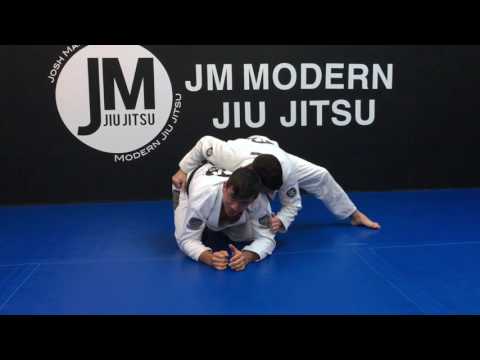
Stay tight to your opponent and use your elbow to clamp rather than relying on your hands. The Grappling Academy emphasizes that leaving space allows your opponent to get an underhook and escape to half guard with better positioning.
Make sure your opponent's hips are on top of your midsection. If their hips aren't positioned directly over yours, they can throw their leg to expose your back, which is a dangerous escape.
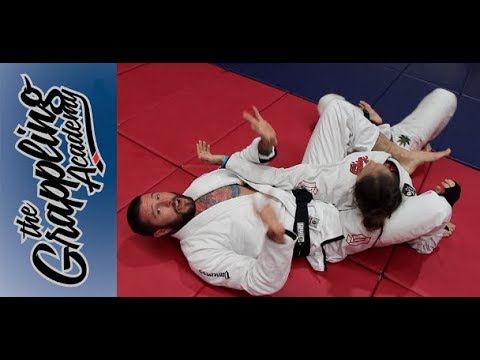
The Grappling Academy recommends attacking one of the limbs on the near side, using your legs when possible. A rolling armbar is an effective option, and if your opponent attempts the running man or hitchhiker escape, they become trapped on their own arm.
The running man escape or a rambi roll can work, but timing is critical—as soon as you free your hips, you need to cast your net and catch your opponent inside to prevent them from establishing control.
The Turtle Position group encompasses all positions related to the turtle — the defensive curled-up posture on hands and knees — from both the perspective of the turtled fighter and the attacking fighter on top. The turtle is a transitional position that occurs frequently in grappling during guard pull defence, takedown defence, sweep defence, and scrambles.
The turtle position has been a fundamental part of wrestling and judo since their origins, known as the 'referee's position' in wrestling and used defensively in judo to prevent pins. BJJ incorporated the turtle as a transitional position with specific offensive and defensive techniques.
IBJJF: legal — Legal — common transitional position; IJF: restricted — Legal position but extended turtle without attacking penalized for non-combat…; ADCC: legal — Legal; Unified MMA: legal — Legal; UWW: legal — Legal — bottom position, opponent works to turn/pin; FIAS Sport Sambo: legal — Legal
Danger rating 3/10. Moderate — turtle is a defensive shell position; vulnerable to back takes and chokes
The standard setup chain: Achieve Guard Contact → Control Grips → Manage Distance → Threaten Submissions/Sweeps.
Standard counters include: Guard Pass — systematically work to clear the legs and establish a dominant position / Leg Pin — control one or both legs to neutralize guard retention / Pressure Passing — use heavy chest pressure to flatten and immobilize the guard player.
Common variants: Standard guard (primary leg and grip configuration for control and attack…); Offensive guard (configured for sweeps and submissions); Defensive guard (prioritising distance management and preventing passes); Transition guard (moving between guard types to adjust to the opponent's pa…).
Turtle is a common defensive position in judo (where it prevents osaekomi scoring) and wrestling.
Top errors to watch for: Staying in turtle too long — it's a transitional position; escape immediately / Flattening out from turtle — a flat stomach-down position is the worst outcome; maintain the all-fours structure / Not protecting the neck — chin tucked and hands near the neck at all times in turtle / Reaching backward for the opponent — keep arms in front; reaching back exposes the neck and arms.
The Turtle Position is also known as Kame Taisei, Turtle, All Fours, Shell Position, Referees Position.