Introduction to Float Passing
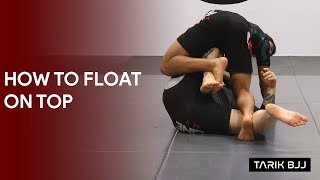
Float passing has gained significant popularity in modern grappling, though practitioners have utilized these principles for years. This technique is highly effective because it minimizes hand contact with the mat, maintaining superior weight distribution and control. The instructor explains that float passing employs the same pummeling mechanics used in upper body wrestling, but applies them to the legs.
Hip Bump Option for Centered Guard
When an opponent uses a knee shield to prevent knee slice advancement, the hip bump provides a quick escape option. The passer anticipates the opponent's elevation attempt and uses leg drive to bump the hips sideways before full elevation occurs. While athletically efficient, this method is less technical than full floating passes and serves as a practical alternative when caught in transitional positions.
Establishing Elevated Position
Successful float passing requires the passer to allow the opponent to elevate them off the mat while maintaining leg engagement. Keeping the legs back behind the body prevents effective leg control and allows the opponent to access leg lock entries. The passer must enter with at least one leg in contact with the opponent's legs to establish hooks and maintain positional control.
Creating Inside Space with Leg Weaving
The critical breakthrough in float passing occurs when the passer weaves one foot to achieve inside space on both of the opponent's legs. This positioning allows the passer to dictate the direction and timing of the pass without relying on hand placement. With inside space secured, the passer gains multiple finishing options and maintains control throughout the transition.
Back-Step Pass Variation
From the inside space position, the passer opens their hip and executes a back-step, using the steering leg to control the opponent's lower body. This variation works effectively when the opponent maintains center mass positioning. The pass concludes with a wrap behind movement as the passer completes their transition.
Windshield Wiper Leg Switch
When the opponent resists the initial passing attempt, the windshield wiper technique employs rapid leg repositioning to advance position. The passer maintains a strong base with hands and shoulders engaged while executing a hip turn and leg replacement sequence. This movement requires training the legs to perform the same switching mechanics traditionally performed by the arms in wrestling.
Leg Steering and Guard Recovery Prevention
Throughout the floating pass, the passer uses leg contact to steer the opponent's body rather than relying solely on hand control. If the opponent recomposes their guard, the passer immediately transitions to a hip switch to maintain positional advantage. Continuous leg engagement ensures the opponent cannot effectively re-establish guard structure.
Knee Slice Transition and Underhook Priority
When transitioning to a knee slice finish, the passer must secure an underhook with the far side hand to prevent a back take by the opponent. The passer executes a cross-body cut while pummeling the opponent's leg to maximum extension. Proper hand placement during this transition is essential for maintaining control through the final pass completion.
Leg Lock Defense Considerations
If the passer misses the underhook during the knee slice transition, they must be prepared to step back and defend against potential leg lock entries. Practitioners with strong leg lock defense can adapt their positioning to mitigate these threats. Maintaining proper knee position and foot placement throughout the pass sequence prevents unnecessary vulnerability to lower body submissions.
Float Passing💥So many options💥Pass the guard and shut down the leg locks!
Key Takeaways
- •Introduction to Float Passing
- •Hip Bump Option for Centered Guard
- •Establishing Elevated Position
- •Creating Inside Space with Leg Weaving
Don't forget to Subscribe 🤙 www.leviathanacademy.com @leviathan_academy Multiple float passing options
Frequently Asked Questions
What does this video teach about floating pass?
This video covers introduction to float passing, hip bump option for centered guard, establishing elevated position. It provides detailed instruction from Still Rolling.
How long does it take to learn floating pass?
The basic mechanics can be understood in a single session, but developing reliable execution requires consistent drilling over weeks of practice. This 9-part breakdown helps structure your training by isolating each phase of the technique.
What are the key details for finishing floating pass?
When transitioning to a knee slice finish, the passer must secure an underhook with the far side hand to prevent a back take by the opponent. The passer executes a cross-body cut while pummeling the opponent's leg to maximum extension. Proper hand placement during this transition is essential for maintaining control through the final pass completion.
Related videos
Jeff Glover Jiu-Jitsu | Floating guard pass| www.JiuJitsuPedia.com
thejiujitsupedia
Technique Of The Week: Floating Pass
BETA Academy - Washington D.C.
Floating Pass (BJJ): 5 Variations for Passing Butterfly Guard (in Real Time with Shintaro Higashi)
Brian Glick
Jiu Jitsu's Weirdest Technique? | The Floating Guard Pass
Justin Lesko
Float Passing: Hip Switch Pass
Tarik BJJ