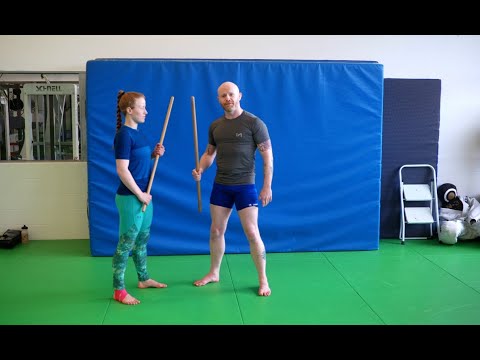
Strike & defenceLocksClose rangeFighting multiple people
Distance
CloseMiddleLong
Body target
Upper bodyMiddle bodyLower body
Overview
The Irish collar tie is a clinch grip configuration from Irish collar-and-elbow wrestling (coraíocht) where one hand grabs the opponent's collar and the other controls the elbow, creating a frame that forces upright posture and provides control for trips and sweeps. [1] Traceable to 17th century Ireland with ties to the ancient Tailteann Games (632 BC - 1169 AD), this folk wrestling style was brought to America by Irish immigrants in the 18th century where it flourished for over a century. [2] At its peak, practiced on three continents. The tight-fitting jacket was mandatory equipment.
Traceable to 17th century Ireland with ties to the ancient Tailteann Games (632 BC - 1169 AD). Brought to America by Irish immigrants in the 18th century. [1][2]
Country of origin· shown in random order
🇬🇷GreeceWrestling
🇺🇸USAWrestling, MMA
🇧🇷BrazilMMA, BJJ
🇯🇵JapanBJJ
Effectiveness
Historically effective wrestling style that influenced modern collar tie clinch work. The dual grip provides superior control compared to a single collar tie. [1]
Lineage
Irish folk wrestling tradition (17th century+). Influenced modern collar tie clinch work.
Competition Record
Historical: practiced on three continents at its 19th century peak. Modern: collar tie concepts used in all wrestling and MMA competition.
Images
No images yet for this technique.
Sign in to suggest an image.
Biomechanical Mechanism
Primary Action — Right hand grips collar (fabric or neck area), left hand controls opponent's elbow
Control Principle — Creates a frame forcing upright posture; elbow grip prevents posting or angle creation
Offensive Access — The stance enables rapid combinations of trips, taps, kicks, and sweeps
Position & Entry
From standing neutral — Establish collar grip first, then secure the elbow control
From clinch exchange — Pummel from standard collar tie to secure the elbow grip
Variants
Standard Irish collar-and-elbow — classic grip with jacket
Modern collar tie — adapted for no-gi (hand on neck instead of collar)
Thai plum connection — double collar tie is the Thai clinch variant
✓Rooted in Irish collar-and-elbow wrestling (coraíocht/brollaidheacht), a folk wrestling style native to Ireland traceable to the 17th century. Irish immigrants brought it to Vermont/America in the 18th century. The specific grip — collar with one hand, elbow with the other — is distinct from the modern single collar tie (hand behind neck) and the Thai plum (double collar tie). The elbow control prevents the opponent from posting or creating angles, making it a particularly controlling clinch configuration. Ruadhan MacFadden's book 'Irish Collar and Elbow Wrestling' (Fallen Rook Publishing) is the primary historical reference.
Common Mistakes
!Not controlling the elbow — the elbow grip is what makes this distinct from a standard collar tie
!Standing too far away — must be close enough for the collar grip to control posture
!Not using the collar tie offensively — must lead to trips and sweeps, not just holding
1Establish collar grip → Secure elbow control with opposite hand → Force upright posture → Attack with trips, sweeps, or transitions
Sources & References
Primary Source
Irish Collar and Elbow Wrestling (MacFadden, Fallen Rook Publishing)
1BookIrish Collar and Elbow Wrestling (MacFadden, Fallen Rook Publishing)
[1] MacFadden — historical reference on Irish collar-and-elbow
2BookHealth and Fitness History — Irish Coraíocht
3OtherJapanese Martial Arts Community Terminology
Irish Collar and Elbow Wrestling (MacFadden, Fallen Rook Publishing) || Wikipedia — Collar-and-elbow wrestling || Health and Fitness History — Irish Coraíocht
4OtherJapanese Combat Sports Katakana Convention
Standard katakana transliteration of Western martial arts terminology (外来語) — used in Japanese MMA, boxing, and BJJ communities
5CitationIrish Collar and Elbow Wrestling (MacFadden, Fallen Rook Publishing)
[1] MacFadden — historical reference on Irish collar-and-elbow
6CitationWikipedia — Collar-and-elbow wrestling
[2] Wikipedia — collar-and-elbow wrestling history
7CitationHealth and Fitness History — Irish Coraíocht
Community
Athletics
Requires
grip strength, upright posture
Key muscles
forearms, shoulders, core
Frequently Asked Questions
Why shouldn't I start trying to trip my opponent's legs right away in the Irish collar tie?
The Hero with a Thousand Holds emphasizes that you should never voluntarily compromise your own balance by attacking with your lower body before your opponent's upper body is compromised first. If you fish for trips before setting them up, you're sacrificing half your movement and stability.
What should I do with my opponent's upper body before I attempt a leg trip from the collar tie?
The Hero with a Thousand Holds stresses that you must introduce movement in your opponent's upper body—pushing or pulling them forward, backward, or diagonally—to shift their center of gravity before attacking with your lower body.
How should I position myself when setting up an osotogari (back sickle) from the Irish collar tie?
The Hero with a Thousand Holds explains that you should step slightly to the side rather than standing directly in front of your opponent, positioning their right foot between your two feet so you have space to swing your leg through without blocking yourself.
What do I do if my opponent resists being pushed backward in the collar tie?
The Hero with a Thousand Holds teaches that instead of pushing repeatedly, you can use their forward momentum by pulling them toward you, causing them to take a rapid step forward, and then block them at the shin just above the ankle to off-balance them.
How does the Standard Irish Collar Tie work?
The Irish collar tie is a clinch grip configuration from Irish collar-and-elbow wrestling (coraíocht) where one hand grabs the opponent's collar and the other controls the elbow, creating a frame that forces upright posture and provides control for trips and sweeps. Traceable to 17th century Ireland with ties to the ancient Tailteann Games (632 BC - 1169 AD), this folk wrestling style was brought to America by Irish immigrants in the 18th century where it flourished for over a century.
Where does the Standard Irish Collar Tie come from?
Traceable to 17th century Ireland with ties to the ancient Tailteann Games (632 BC - 1169 AD). Brought to America by Irish immigrants in the 18th century.
Is the Standard Irish Collar Tie legal in competition?
Unified MMA: legal — Legal — clinching is integral to MMA; IJF: legal — Legal — kumi-kata (grip fighting) is fundamental to judo; IBJJF: legal — Legal — standing grip fighting and clinch work permitted; IFMA: legal — Legal — the clinch is a core element of Muay Thai, clinch dominance is highly…; WBC/Boxing: restricted — Holding is technically a foul — referee breaks clinch, excessive holding resu…; K: restricted — 1/GLORY — One attack from clinch allowed, then referee breaks; WAKO: restricted — Clinch generally broken by referee — limited or no clinch fighting in most fo…; UWW: legal — Legal — clinch is fundamental to wrestling, the primary position in Greco-Roman
How dangerous is the Standard Irish Collar Tie?
Danger rating 2/10. Control position with minimal injury risk
How do I set up the Standard Irish Collar Tie?
The standard setup chain: Establish collar grip → Secure elbow control with opposite hand → Force upright posture → Attack with trips, sweeps, or transitions.
How do I defend against the Standard Irish Collar Tie?
Standard counters include: Pummel for underhook — break the collar tie by swimming for inside position / Snap-down — use the collar grip against the attacker / Arm drag — drag the controlling arm to take the back / Level change — shoot under the collar tie frame.
What are the variants of the Standard Irish Collar Tie?
Common variants: Standard Irish collar-and-elbow (classic grip with jacket); Modern collar tie (adapted for no-gi (hand on neck instead of collar)); Thai plum connection (double collar tie is the Thai clinch variant).
How effective is the Standard Irish Collar Tie in competition?
Historical: practiced on three continents at its 19th century peak. Modern: collar tie concepts used in all wrestling and MMA competition.
What are common mistakes when doing the Standard Irish Collar Tie?
Top errors to watch for: Not controlling the elbow — the elbow grip is what makes this distinct from a standard collar tie / Standing too far away — must be close enough for the collar grip to control posture / Not using the collar tie offensively — must lead to trips and sweeps, not just holding.
What are other names for the Standard Irish Collar Tie?
The Standard Irish Collar Tie is also known as Airisshu Karā Tai, Irish Collar Tie, Collar-and-Elbow, Coraíocht, Brollaidheacht.