Turtle Cradle

Разновидность

Перевод: Turtle Cradle

Дистанция и классификация

Категория
Удар и защитаЗамкиБлижний бойБой против нескольких
Дистанция
БлижняяСредняяДальняя
Целевая зона
Верхняя частьСредняя частьНижняя часть

Обзор

The turtle cradle attacks a turtled opponent by threading the arms around both the head and one leg, linking the hands to fold the opponent out of their protective shell. [1] The attacker approaches from the side of the turtle, hooks one arm around the opponent's neck and the other around the near thigh, then clasps the hands to lock the cradle. [1],[2] Rolling or driving the turtled opponent onto their back while maintaining the cradle fold creates cervical flexion stress as the head is compressed toward the hooked knee. [2] The turtle cradle is a wrestling-derived technique that serves the dual purpose of breaking down the turtle defence and threatening a neck crank submission. [2],[3]

Также известна как
Turtle Position CradleWrestling[1]Turtle Breakdown CradleWrestling[2]
Используется в

История и происхождение

Cradle attacks against the turtle are fundamental techniques in folkstyle and Greco-Roman wrestling, used to turn opponents for exposure or pin. [1] The submission adaptation emerged as grapplers recognised that the traditional wrestling cradle generated sufficient spinal stress to force a tap in submission rulesets. [2],[3]

Страна происхождения· показано в случайном порядке

  • БразилияБразильское джиу-джитсу, Сабмишн-грэпплинг, ММА
  • Япония亀揺り籠(Kame Yurikago)Бразильское джиу-джитсу, Дзюдо, Сабмишн-грэпплинг
  • СШАСабмишн-грэпплинг, ММА
  • РоссияСамбо

Эффективность

The turtle cradle locks the turtled opponent's head to knee, creating a crank and control position that can lead to a pin or submission. [1]

Родословная

Turtle cradles were developed in wrestling as attacks against the turtle/referee's position. [1]

Соревновательные результаты

Turtle cradles are used in wrestling competition as pinning techniques and in MMA as control positions. [1]

Изображения

Изображений для этой техники пока нет.

Войдите, чтобы предложить изображение.

Биомеханический механизм

Primary ActionCompression of the neck structures — restricts blood flow or airway depending on technique application
Joints InvolvedCervical spine, surrounding musculature, and vascular structures of the neck
Force VectorDirected compression against the neck from the choking limb or body position
Finishing MechanicSustained pressure causes either vascular occlusion (unconsciousness) or tracheal restriction (breathing difficulty)

Позиция и вход

From back control with seatbeltEstablish hooks or body triangle, slide choking arm under the chin, connect hands and squeeze
From turtle top (back take)Break down the turtle, insert hooks, secure seatbelt grip, slide to back control and apply the choke
From standing back clinchSecure rear body lock, drag opponent to the mat while inserting hooks, transition to choking position

Варианты

Standard grip variationprimary hand configuration for maximum choking pressure
Gi variationuses the lapel or collar as an anchor for additional friction and control
No-gi variationadapted grip and positioning for submission grappling without the gi
Transition finishapplied during a positional change to catch the opponent off-guard

Видео

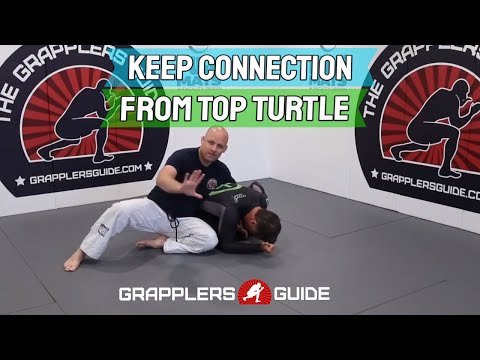
Keep Connection From Top Turtle Against Your Opponent by Jason Scully - BJJ Grappling

0
Turtle Cradle·The Grapplers Guide by Jason Scully

The Grapplers Guide is the longest running and most recommended premium BJJ and grappling learning site ever created. L

1 video

Изучить технику

Учебных курсов по этой технике пока нет.

Войдите, чтобы предложить курс.

Оценки

Уровень опасности

Риск травмы для человека, к которому применяется техника

8
Очень высокий8/10

Cervical flexion cranks force the chin toward the chest, compressing the anterior cervical spine

Сложность

Уровень мастерства, необходимый для надёжного выполнения техники

Продвинутый
Допустимость на соревнованиях

Разрешена ли техника по основным соревновательным правилам

Запрещено
FIAS Sport Sambo — All chokes prohibited in Sport Sambo
FIAS International Sambo Competition RulesPDF
Разрешено
IBJJF — Legal at all belt levels, gi and no-gi — chokes a...
IBJJF Rules Book v6.0, June 2024PDF
ADCC — Legal
ADCC Rules Update, April 2025PDF
Unified MMA — Legal — choke submissions are among the mos...
Unified Rules of MMA, August 2025PDF
FIAS Combat Sambo — Legal
FIAS Combat Sambo RulesPDF

Заметки по тренировке

The turtle cradle locks the cradle hold on a turtled opponent — reaching under the head and hooking a knee to fold the turtled player sideways, exposing their back and creating a neck crank (Paulson, Shoot Wrestling, 2007)
Against the turtle: approach from the side, thread one arm under the head and the other under the near knee — connect the hands to lock the cradle
The turtle cradle works because the turtle position is already partially folded: the opponent's head is low and their knees are under their body — the cradle exaggerates this fold to an extreme
The cradle from turtle rolls the opponent to their side or back: the connected head-and-knee position prevents them from re-turtling — they are opened up and exposed
The turtle cradle creates both a neck crank (cervical hyperflexion) and positional advancement: the roll exposes the back for hooks, chokes, and further attacks
The technique is fundamental in wrestling: turning a turtled opponent with the cradle is one of the primary methods for exposing the back and scoring near-fall points
In submission grappling, the turtle cradle is a transition tool: the crank may submit, but the positional exposure (back take, mount) is equally valuable
Типичные ошибки

!Attempting the cradle from directly behind the turtle — approach from the side to access the head and knee; from directly behind, neither is easily reached
!Not rolling the opponent after locking — the cradle from turtle requires a rolling motion to turn the opponent; simply squeezing in the turtle position is less effective
!Using a loose cradle lock — the hands must connect firmly; a loose connection allows the turtled opponent to extend and break free
!Not following the roll with positional advancement — the cradle roll exposes the back; immediately establish hooks or transition to mount
!Reaching for the far knee instead of the near knee — the near knee is accessible; the far knee is too far to reach without losing control
!Attempting against a strong turtle without a setup — use the cradle in combination with other turtle attacks (chokes, hooks); a cold-start cradle is often resisted
!Not maintaining head control throughout — the head connection keeps the cradle tight; losing the head allows the opponent to straighten and escape

Связанные техники

Контрприёмы

Цепочка подготовки

1Establish Positionachieve the controlling position needed for this submission
2Create the Threatbegin the submission setup to force a defensive reaction
3Secure the Holdlock the submission grip with proper body mechanics
4Finishapply increasing pressure until the opponent taps or the joint/choke takes effect

Источники и ссылки

Основной источник

Japanese BJJ/Judo — 亀 (kame) = turtle position

1КнигаJapanese BJJ/Judo — 亀 (kame) = turtle position

Japanese terminology sourced from Japanese BJJ/Judo — 亀 (kame) = turtle position

2Учебная программаKodokan Judo Institute — Official Waza Names

Standard Japanese martial arts terminology (kanji/hiragana)

3ДругоеJapanese Martial Arts Standard Terminology (武道用語)

Established Japanese martial arts naming convention — native Japanese term (和語/漢語)

4ЦитатаJapanese BJJ/Judo — 亀 (kame) = turtle position

Japanese terminology sourced from Japanese BJJ/Judo — 亀 (kame) = turtle position

Сообщество

Атлетизм

Requires

grip or squeeze strength, positional control

Favours

strong upper body for sustained compression

Key muscles

forearms, biceps, pectorals, core stabilisers

Часто задаваемые вопросы

How do I maintain control when I have my opponent in the Turtle Cradle position?

According to Jason Scully, the key is to maintain a hip connection with your opponent. This connection makes it significantly harder for them to execute escapes or reversals, particularly roll-through techniques.

Why is hip connection important in the Turtle Cradle?

Jason Scully emphasizes that when you have a solid hip connection and your opponent tries to grab your arm to roll through, the hip control makes the reversal attempt much more difficult to execute.

Как работает Turtle Cradle?

The turtle cradle attacks a turtled opponent by threading the arms around both the head and one leg, linking the hands to fold the opponent out of their protective shell. The attacker approaches from the side of the turtle, hooks one arm around the opponent's neck and the other around the near thigh, then clasps the hands to lock the cradle.

Откуда происходит Turtle Cradle?

Cradle attacks against the turtle are fundamental techniques in folkstyle and Greco-Roman wrestling, used to turn opponents for exposure or pin. The submission adaptation emerged as grapplers recognised that the traditional wrestling cradle generated sufficient spinal stress to force a tap in submission rulesets.

Разрешён ли Turtle Cradle на соревнованиях?

IBJJF: разрешён — Legal at all belt levels, gi and no-gi — chokes are the safest submission cat…; IJF: разрешён — Legal (shime-waza) — strangulation techniques are one of three permitted subm…; ADCC: разрешён — Legal; Unified MMA: разрешён — Legal — choke submissions are among the most common finishes in MMA; FIAS Sport Sambo: запрещён — All chokes prohibited in Sport Sambo; FIAS Combat Sambo: разрешён — Legal

Насколько опасен Turtle Cradle?

Оценка опасности 8/10. Cervical flexion cranks force the chin toward the chest, compressing the anterior cervical spine

Как подготовить Turtle Cradle?

Стандартная цепочка подготовки: Establish Position → Create the Threat → Secure the Hold → Finish.

Как защититься от Turtle Cradle?

Стандартные контрприёмы: Early Recognition — identify the submission attempt early and begin defence immediately / Posture and Base — maintain strong posture and base to prevent submission setups / Grip Fight — deny the attacker their preferred gripping configuration.

Какие есть варианты Turtle Cradle?

Распространённые варианты: Standard grip variation (primary hand configuration for maximum choking pressure); Gi variation (uses the lapel or collar as an anchor for additional fric…); No-gi variation (adapted grip and positioning for submission grappling wit…); Transition finish (applied during a positional change to catch the opponent …).

Насколько эффективен Turtle Cradle на соревнованиях?

Turtle cradles are used in wrestling competition as pinning techniques and in MMA as control positions.

Какие типичные ошибки при выполнении Turtle Cradle?

Основные ошибки, на которые стоит обратить внимание: Attempting the cradle from directly behind the turtle — approach from the side to access the head and knee; from dire… / Not rolling the opponent after locking — the cradle from turtle requires a rolling motion to turn the opponent; simpl… / Using a loose cradle lock — the hands must connect firmly; a loose connection allows the turtled opponent to extend a… / Not following the roll with positional advancement — the cradle roll exposes the back; immediately establish hooks or….

Какие ещё названия есть у Turtle Cradle?

Turtle Cradle также известен как Kame Yurikago, Turtle Position Cradle, Turtle Breakdown Cradle.