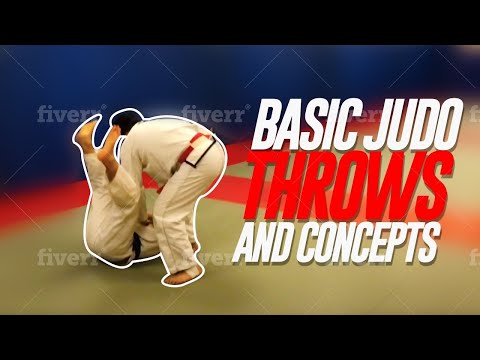
Basic Judo throws and concepts
0
Standard Orthodox·Shintaro Higashi
Judo Basics. Here we cover the basic Judo positions and some basic throws and combinations. Osoto 1:24 Taio 1:30 Kenkay…
Перевод: standard orthodox
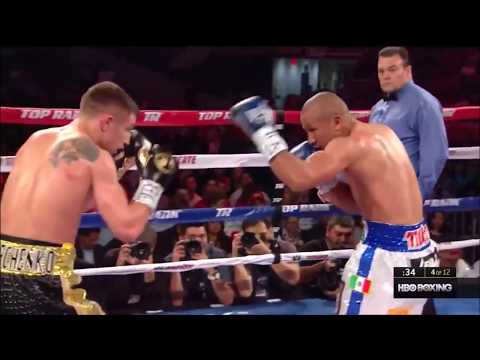
The Standard Orthodox stance positions the left foot forward, right foot back, weight distributed approximately 50-50 or slightly rear-weighted, with the lead hand up at chin level and the rear hand tucked against the jaw. [1] The standard orthodox provides a balanced platform for jabbing with the lead hand, throwing power shots with the rear hand, and checking kicks with the lead leg. [1],[2] It is the fundamental fighting stance taught in every boxing gym and MMA academy worldwide. [2],[3]
The standard orthodox stance places the left foot forward with the dominant right hand in the rear, providing a balanced platform for offence and defence. [1]
The standard orthodox stance is the fundamental boxing stance taught worldwide. [1]
The most common stance in boxing and MMA competition. [1]
Изображений для этой техники пока нет.
Войдите, чтобы предложить изображение.
Judo Basics. Here we cover the basic Judo positions and some basic throws and combinations. Osoto 1:24 Taio 1:30 Kenkay…
In this video I'll teach you how to submit your opponents on UFC 5.
Standard Orthodox stance in judo, as taught by Shintaro Higashi, establishes a foundational position with the right leg forward and the dominant right hand controlling the opponent's posture via the lapel. The lapel grip should be placed high on the collar to prevent the opponent from moving underneath; Higashi demonstrates that gripping near the chin compromises postural control. The sleeve hand grips the bicep or material to pin the opponent's power arm, typically by controlling the elbow toward the hips, which severely limits their ability to adjust posture. From this right-side-versus-right-side configuration, the judoka can execute backward techniques (ouchi gari, osoto gari) and turning throws (seoi nage, shumata). Higashi emphasizes that while both sides can technically be learned, practitioners naturally develop strong asymmetrical preferences; training the body to turn consistently in one direction—typically toward the left from orthodox stance—creates superior power and control. The sleeve-hand position offers multiple tactical options: bicep control for maximal power suppression, elbow pinning for positional dominance, or material-grip tension for wrist control. Position is contested when fighters adopt different sides (right-side-versus-left-side), requiring tactical decisions about inside versus outside lapel configuration based on who controls grip placement first.
Сформировано на основе 1 инструктора
Учебных курсов по этой технике пока нет.
Войдите, чтобы предложить курс.
Риск травмы для человека, к которому применяется техника
Standing positions are pre-engagement stances; minimal direct risk
Уровень мастерства, необходимый для надёжного выполнения техники
Разрешена ли техника по основным соревновательным правилам
Advanced Brazilian Jiu-Jitsu Techniques (Marcelo Garcia, 2011)
Alias sources — [1] Mastering Jujitsu (Gracie & Danaher, 2003) [2] Championship Fighting (Dempsey, 1950) [3] Championship Fighting (Dempsey, 1950)
Effectiveness sources — [1] Boxing: The Complete Guide to Training and Fitness (Hatmaker, 2004)
Standard katakana transliteration of Western martial arts terminology (外来語) — used in Japanese MMA, boxing, and BJJ communities
Alias sources — [1] Mastering Jujitsu (Gracie & Danaher, 2003) [2] Championship Fighting (Dempsey, 1950) [3] Championship Fighting (Dempsey, 1950)
Effectiveness sources — [1] Boxing: The Complete Guide to Training and Fitness (Hatmaker, 2004)
hook control, seatbelt grip endurance, hip connection
long legs for deep hooks, strong grip for seatbelt
hip adductors, biceps, forearms, core
According to Shintaro Higashi, you want to grip high on the lapel near the collar rather than down by the chin, as gripping low makes it difficult to control your opponent's posture and allows them to go underneath your grip.
Shintaro Higashi recommends taking the hand position first to decide whether you want inside or outside position, then fighting for the sleeve and using techniques like turn throws, back attacks, Ouchi, or Osoto depending on your preference.
The Standard Orthodox stance positions the left foot forward, right foot back, weight distributed approximately 50-50 or slightly rear-weighted, with the lead hand up at chin level and the rear hand tucked against the jaw. The standard orthodox provides a balanced platform for jabbing with the lead hand, throwing power shots with the rear hand, and checking kicks with the lead leg.
The standard orthodox stance is the universal starting position for boxing instruction, refined over centuries of boxing development from bare-knuckle fighting through to modern boxing. It represents the most tested and refined fighting stance in combat sports history.
Unified MMA: разрешён — Legal; IBJJF: разрешён — Legal; IJF: разрешён — Legal; WBC/Boxing: разрешён — Legal — stance and footwork are fundamental; WKF: разрешён — Legal; UWW: разрешён — Legal
Оценка опасности 2/10. Low — standing positions are pre-engagement stances; minimal direct risk
Стандартная цепочка подготовки: Achieve Position → Stabilize → Maintain → Attack.
Стандартные контрприёмы: Hand Fight — grip-fight the choking hand to prevent the rear naked choke / Shoulder Walk — walk shoulders to the mat to escape back control / Turn into Guard — rotate to face the attacker and recover guard position.
Распространённые варианты: Back control with hooks (both feet hooked inside the opponent's thighs); Body triangle back control (legs locked in a figure-four around the torso); Rear mount (mounted on the back with both hooks, opponent face-down); Chair sit back control (sitting behind the opponent with hooks, upright position).
The most common stance in boxing and MMA competition.
Основные ошибки, на которые стоит обратить внимание: Placing the right foot directly behind the left — the rear foot must be offset to the right for balance / Keeping the hands too far from the face — the hands should be close to the cheeks or chin / Standing with locked knees — slightly bent knees are essential for mobility and power / Leaning the head forward past the lead knee — the head should stay over the hips for balance.
Standard Orthodox также известен как Sutandādo Ōsodokkusu, Classic Orthodox Stance, Standard Left-Lead, Basic Orthodox.