Standard Spinal Twist Defence

Род

Перевод: standard spinal twist defence

Дистанция и классификация

Категория
Удар и защитаЗамкиБлижний бойБой против нескольких
Дистанция
БлижняяСредняяДальняя

Обзор

Standard Spinal Twist Defence works to keep the shoulders and hips aligned, preventing the opponent from creating the rotational separation needed for spinal twist submissions. [1] The defender focuses on turning the entire body as a unit in the direction of the twist, reducing the relative rotation between spine segments. [1],[2] Hand fighting to strip the opponent's control of the head or upper body is critical, as the twist requires the attacker to control the upper body while the lower body is locked. [2],[3]

Также известна как
Basic Twister Defence[1]Standard Spine Lock Escape[2]Twist Escape[3]
Используется в

История и происхождение

Standard spinal twist defence was developed as twisting submissions gained prevalence in no-gi grappling and MMA, with specific defensive protocols taught for the twister and related techniques. [1] It is now standard curriculum in advanced submission defence training. [2],[3]

Страна происхождения· показано в случайном порядке

  • БразилияБразильское джиу-джитсу, ММА
  • ЯпонияБразильское джиу-джитсу
  • СШАММА, Кэтч-реслинг
  • АнглияКэтч-реслинг

Эффективность

The standard spinal twist defence. [1]

Родословная

A defence against twister-type attacks. [1]

Соревновательные результаты

Used in no-gi competition. [1]

Изображения

Изображений для этой техники пока нет.

Войдите, чтобы предложить изображение.

Биомеханический механизм

Primary ActionPreventing or reducing the effect of an incoming attack through physical interception, evasion, or structural positioning
Joints InvolvedVaries by defence type — blocks use arms/shins, evasions use head/body movement, sprawls use hips
Force VectorOpposing or tangential to the attack — either absorbing, redirecting, or evading the incoming force
Defensive PrincipleEconomy of motion — the best defence uses minimal movement to neutralise the maximum threat

Позиция и вход

From threatened positionRecognise the incoming attack, select the appropriate defensive response, and execute it with proper timing
As reactive defenceWhen attacked, use the trained defensive technique to neutralise the threat
As preemptive defenceMaintain position and distance to prevent the opponent from initiating the attack

Варианты

Standard defenceprimary defensive technique from the most common position
Reactive defencetriggered by the opponent's attack, minimal movement for maximum protection
Proactive defenceanticipating the attack and positioning to neutralise it early
Counter defenceusing the defensive movement to create an immediate counter-attack opportunity

Видео

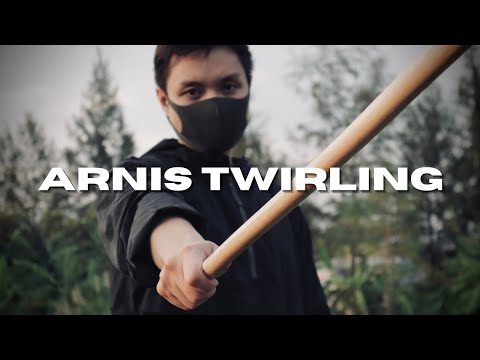
How to Twirl an Arnis Stick

0
Standard Spinal Twist Defence·Daniel Bernas

Here's a guide to learning how to twirl an Arnis stick for Filipino Martial Arts. In this video, I include a step by ste

1 video

Изучить технику

Учебных курсов по этой технике пока нет.

Войдите, чтобы предложить курс.

Оценки

Уровень опасности

Риск травмы для человека, к которому применяется техника

3
Умеренный3/10

Submission defence involves resisting joint locks/chokes; risk of injury if defence fails or is delayed

Сложность

Уровень мастерства, необходимый для надёжного выполнения техники

Средний
Допустимость на соревнованиях

Разрешена ли техника по основным соревновательным правилам

Unified MMA — Legal defensive technique
Unified Rules of MMA, August 2025PDF
IBJJF — Legal — defensive techniques are fundamental to g...
IBJJF Rules Book v6.0, June 2024PDF
UWW — Legal defensive technique
UWW International Wrestling Rules, January 2026PDF
FIAS Sport Sambo — Legal
FIAS International Sambo Competition RulesPDF

Заметки по тренировке

Standard spinal twist defence: rotate the hips to match the shoulders, fight the head control with both hands, and free the trapped leg from the entanglement (Eddie Bravo, Mastering the Twister, 2006)
Step 1: when you feel the opponent begin to twist, immediately rotate your hips in the same direction as your shoulders
Step 2: use both hands to fight the opponent's grip on your chin or head — this is the lever they use to twist
Step 3: work to free the bottom leg from the lockdown or leg entanglement — without the lower body lock, the twist cannot be completed
Step 4: once the twist pressure is relieved, turn into the opponent and work to establish a guard or top position
The hip rotation is the most critical element — if your hips match your shoulders, there is no twist
Against the truck-position twister, focus on preventing the opponent from threading the arm under your chin
Drill the defence starting from the truck position, as this is where most twisters are applied

Типичные ошибки

!Keeping the hips stationary while fighting the head control — hip rotation is more important than hand fighting
!Allowing the lockdown to stay locked while fighting the upper body control — address the leg entanglement first
!Fighting the chin control with one hand — you need both hands to prevent the head from being pulled across
!Not recognizing the setup from truck position — by the time you feel the twist, the opponent is ahead
!Trying to bridge out of the twister — the twist is rotational, so bridging (extension) doesn't address the force vector
!Panicking and twisting wildly — controlled, directed hip rotation is the only effective defence
!Not training twister defence because it's rare — when it is applied, the consequences are severe

Связанные техники

Контрприёмы

Цепочка подготовки

1Anticipate the Attackread the opponent's intention through body cues
2Execute Defenceapply the specific defensive technique with proper timing
3Recover Stancereturn to a balanced fighting position immediately
4Counter or Disengagecapitalize on the opening or create safe distance

Источники и ссылки

Основной источник

Jiu-Jitsu University (Saulo Ribeiro, 2008)

1КнигаBoxing (Dempsey, 1950)

Alias sources — [1] Jiu-Jitsu University (Ribeiro, 2008) [2] Fundamentals of Brazilian Jiu-Jitsu (Danaher, 2012) [3] Brazilian Jiu-Jitsu: Theory and Technique (Gracie, 2001)

2КнигаKarate-Do Kyohan (Funakoshi, 1935)

Effectiveness sources — [1] Mastering the Rubber Guard (Bravo, 2006)

3ДругоеJapanese Combat Sports Katakana Convention

Standard katakana transliteration of Western martial arts terminology (外来語) — used in Japanese MMA, boxing, and BJJ communities

4ЦитатаBoxing (Dempsey, 1950)

Alias sources — [1] Jiu-Jitsu University (Ribeiro, 2008) [2] Fundamentals of Brazilian Jiu-Jitsu (Danaher, 2012) [3] Brazilian Jiu-Jitsu: Theory and Technique (Gracie, 2001)

5ЦитатаKarate-Do Kyohan (Funakoshi, 1935)

Effectiveness sources — [1] Mastering the Rubber Guard (Bravo, 2006)

Сообщество

Атлетизм

Requires

reaction speed, structural body mechanics, defensive awareness

Favours

quick reflexes and conditioned defensive surfaces

Key muscles

varies — forearms (blocking), legs (movement), core (stability)

Часто задаваемые вопросы

Как работает Standard Spinal Twist Defence?

Standard Spinal Twist Defence works to keep the shoulders and hips aligned, preventing the opponent from creating the rotational separation needed for spinal twist submissions. The defender focuses on turning the entire body as a unit in the direction of the twist, reducing the relative rotation between spine segments.

Откуда происходит Standard Spinal Twist Defence?

Standard spinal twist defence was developed as twisting submissions gained prevalence in no-gi grappling and MMA, with specific defensive protocols taught for the twister and related techniques. It is now standard curriculum in advanced submission defence training.

Разрешён ли Standard Spinal Twist Defence на соревнованиях?

Unified MMA: разрешён — Legal defensive technique; IBJJF: разрешён — Legal — defensive techniques are fundamental to grappling; IJF: разрешён — Legal defensive action; ADCC: разрешён — Legal; UWW: разрешён — Legal defensive technique; FIAS Sport Sambo: разрешён — Legal

Насколько опасен Standard Spinal Twist Defence?

Оценка опасности 3/10. Moderate — submission defence involves resisting joint locks/chokes; risk of injury if defence fails or is delayed

Как подготовить Standard Spinal Twist Defence?

Стандартная цепочка подготовки: Anticipate the Attack → Execute Defence → Recover Stance → Counter or Disengage.

Как защититься от Standard Spinal Twist Defence?

Стандартные контрприёмы: Timing — attack when the defence is recovering or between movements / Feint — use deception to create openings in the defensive structure / Angle Change — attack from an unexpected angle that the defence does not cover.

Какие есть варианты Standard Spinal Twist Defence?

Распространённые варианты: Standard defence (primary defensive technique from the most common position); Reactive defence (triggered by the opponent's attack, minimal movement for …); Proactive defence (anticipating the attack and positioning to neutralise it …); Counter defence (using the defensive movement to create an immediate count…).

Насколько эффективен Standard Spinal Twist Defence на соревнованиях?

Used in no-gi competition.

Какие типичные ошибки при выполнении Standard Spinal Twist Defence?

Основные ошибки, на которые стоит обратить внимание: Keeping the hips stationary while fighting the head control — hip rotation is more important than hand fighting / Allowing the lockdown to stay locked while fighting the upper body control — address the leg entanglement first / Fighting the chin control with one hand — you need both hands to prevent the head from being pulled across / Not recognizing the setup from truck position — by the time you feel the twist, the opponent is ahead.

Какие ещё названия есть у Standard Spinal Twist Defence?

Standard Spinal Twist Defence также известен как Sutandādo Supainaru Tsuisuto, Basic Twister Defence, Standard Spine Lock Escape, Twist Escape.