Стандартният тласък с джо (джо цуки) е основополагащата техника на тласък в джо-дзюцу, насочена към слънчевия сплит, гърлото или лицето чрез директно линейно изпращане на бокленът. [1] Той се появява в първото ката на Сейтей Джодо (Цуки-дзуе, буквално „тласкащ жезъл/боклен за ходене/персонал/бокленъ с тласк
Country of origin· shown in random order
🇯🇵Japan
杖突きの基本TraditionalTraditionalA genuine traditional name in this country's martial tradition.
Effectiveness
bla h bla h
Lineage
Стандартният тласък с джо е кодифициран в рамките на Шинто Мусо-рю и включен в съвременната учебна програма по джодо на AJKF. [1]
Competition Record
Стандартни тласъци с джо се изпълняват в ката компетиции по джодо на AJKF. [1]
Images
No images yet for this technique.
Sign in to suggest an image.
Biomechanical Mechanism
Основно действие — Удар, блокиране или тласък с дълго твърдо оръжие — дължината на бокленът създава предимство в лоста и обхвата
Задействани стави — И двете ръце (плъзгащи и въртящи позиции на хвата), китки (рязко движение за удари), бедра (въртене за сила)
Вектор на силата — Задната ръка бута, докато водещата ръка действа като опорна точка — въртенето на бокленът генерира скорост в ударния връх
Механика на оръжието — Бокленът може да се използва от всеки край и на всяко разстояние — гъвкавост от удари на дълги разстояния до блокове на къси разстояния
Position & Entry
От готова позиция — Хванете джо с две ръце, установете дистанция, ударете с края или средната секция в зависимост от ситуацията
От защитна позиция — Използвайте джо за блокиране или отклоняване на идващата атака, след което контрирайте с удар или тласък
Variants
Удар отгоре — спускане на бокленът отгоре надолу по вертикална дъга
Страничен удар — хоризонтално замахване към ребрата или главата
Тласък — прав тласък с края на бокленът
Удар с тилния край — удар с задния край на бокленът при близки разстояния
Стандартен удар с бо (тласък)·Let's ask Seki Sensei | Online Katana Lessons
🎫Purchase Your Ticket to the Annual Asayama Ichiden Ryu Training Camp in Japan: https://asayamaichidenryu.shop/products…
1 / 2
3 videos
What Instructors Say
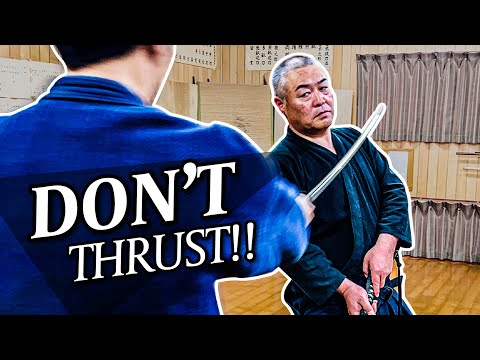
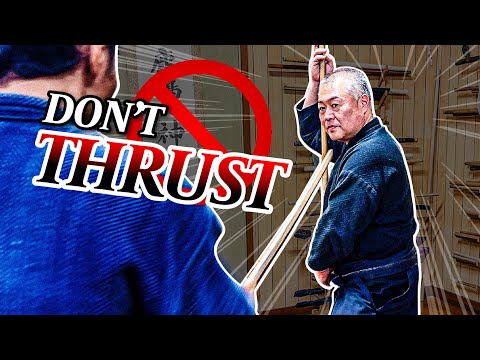
The standard jo thrust is a fundamental attacking technique in jojutsu characterized by three primary strengths: difficulty in detection, extended reach, and minimal telegraphing movement. According to Let's Ask Seki Sensei instructors, the technique's critical weakness is its inherent lack of power compared to swinging attacks. Defensive strategies against the jo thrust exploit this power deficit by knocking down incoming thrusts, forcing opponents into larger, more predictable swinging motions. The instructors emphasize that thrust attacks have limited range relative to their apparent extension, allowing defenders to evade by rotating the body or repositioning laterally with minimal movement. When executing or countering thrusts, body mechanics are essential—practitioners should crouch to increase defensive power and facilitate counterattacks while reducing the opponent's targeting effectiveness. The standard jo thrust's effectiveness varies significantly with staff length; longer jo naturally facilitate thrusting attacks and reduce opponent incentive to thrust initially, whereas shorter jo require more precise execution. Training in jo thrust responses through kata practice, as taught by the 22nd Headmaster of Kobudou, develops the accuracy and body control necessary to redirect or parry thrusts while maintaining offensive capability. The technique remains foundational in Asayami Shindo's 400-year training lineage.
Synthesized from 3 instructors
Let's Ask Seki Sensei | Online Katana Lessons — What Jō Can Do Against Thrust Attacks: Identified three strengths of jo thrusts (difficulty to see, extension, small movement) and one key weakness (lack of power); detailed defensive methods including knocking down thrusts, body rotation evasion, and the Hasu-Sou stance; noted differences in thrust effectiveness between standard and longer jo staffs.
Let's Ask Seki Sensei | Online Katana Lessons — "Thrusting is Stronger Than Swinging!!" ...THINK AGAIN!!: Supported the premise that thrusts can be parried while simultaneously allowing counterattacks without sustaining injury; emphasized the tactical relationship between parrying and continued offensive capability.
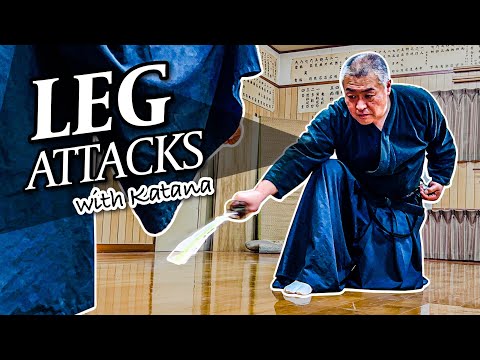
Let's Ask Seki Sensei | Online Katana Lessons — Terrifying Leg Attacks You Didn't Know You Can Do with Katana: Contextualized jo and staff techniques within broader Kobudo systems and the 400-year historical lineage of Asayami Shindo; demonstrated how kata training develops adaptive responses to various thrust and attack scenarios.
Learn This Technique
No instructional courses yet for this technique.
Sign in to suggest a course.
Ratings
Danger Rating
Risk of injury to the person this technique is applied to
7
Very High7/10
Difficulty
Skill level needed to execute this technique reliably
Intermediate
Competition Legality
Whether this technique is allowed under major competition rule sets
Не е приложимо
Training Notes
✓Стандартният тласък с джо изпраща бокленът право напред към слънчевия сплит — това е най-разпространената и основополагаща техника на тласък в джо-дзюцу (Draeger, Classical Bujutsu, 1973)
✓Изпълнение: от чудан (средна охрана), бутнете джо напред със задната ръка, докато водещата ръка насочва посоката — двете ръце плъзгат напред по дръжката
✓Тласъкът контактува с целта чрез върха на джо — концентрирайки силата върху възможно най-малката площ за максимално проникване
✓Крачката и тласъкът са координирани — водещият крак стъпва напред, докато ръцете се разтягат, добавяйки телесно тегло към тласъка
✓Стандартният тласък се връща по същата линия — прибирането трябва да е толкова бързо, колкото и разтягането, за да се предотврати захващане на оръжието
✓Този тласък може да проникне между охраната на меч — той е проектиран да се вмъкне в тясната пролука, създадена от готовата позиция на фехтовача
✓След тласъка джо се възстановява в охранна позиция с ръцете преместени за следващата техника — обикновено блок или удар
Common Mistakes
!Бутане вместо тласък — движението трябва да е рязко, а не постепенно натискане
!Спускане на върха на джо — линията на тласъка трябва да е хоризонтална; увиснал връх пропуска целта
!Некоординиране на крачката с тласъка — крачката и тласъкът трябва да са едновременни за максимална сила
!Задържане на ръцете на фиксирани позиции — ръцете трябва да плъзгат напред по време на тласъка и назад по време на прибирането
!Оставяне на джо разтегнато — продължително разтягане провокира контра-техники; прибирайте незабавно
!Неизвършване на следващо действие след тласъка — тласъкът създава реакция (защита или трепване), която отваря възможности за продължение
!Оставане на централната линия на противника след тласъка — стъпете настрани по време на възстановяването, за да избегнете линията на контраатаката
The Essence of Okinawan Karate-Do (Shoshin Nagamine, 1976)
1BookThe Art of the Japanese Sword (Sato, 1983)
Alias sources — [1] Kobudo: Okinawan Weapons (Demura, 1976) [2] Comprehensive Asian Fighting Arts (Draeger & Smith, 1969) [3] Comprehensive Asian Fighting Arts (Draeger & Smith, 1969)
2BookFilipino Martial Arts (Inosanto, 1980)
History sources — [1] Krieger, P., The Jo: Art of the Japanese Short Staff (Koryu Books, 1989) [2] Draeger, D., Classical Bujutsu (Weatherhill, 1973)
3OtherJapanese Martial Arts Standard Terminology (武道用語)
Established Japanese martial arts naming convention — native Japanese term (和語/漢語)
4CitationThe Art of the Japanese Sword (Sato, 1983)
Alias sources — [1] Kobudo: Okinawan Weapons (Demura, 1976) [2] Comprehensive Asian Fighting Arts (Draeger & Smith, 1969) [3] Comprehensive Asian Fighting Arts (Draeger & Smith, 1969)
5CitationFilipino Martial Arts (Inosanto, 1980)
History sources — [1] Krieger, P., The Jo: Art of the Japanese Short Staff (Koryu Books, 1989) [2] Draeger, D., Classical Bujutsu (Weatherhill, 1973)
Community
Athletics
bla h
Frequently Asked Questions
What's the proper footwork when executing a jo thrust?
Bring your back foot to where your front foot was, then slide back as you thrust. This footwork makes the technique easier to execute and creates distance from your opponent.
What should I do if my opponent doesn't retreat after I thrust?
If the opponent doesn't back away, you can use your free hand to control their wrist and follow up with a stamp-in, or continue with additional attacks from your kata training.
Can I keep attacking if I miss the first thrust?
Yes, even if you miss the first attack, you can continue attacking quickly using techniques from different kata sequences.
Как работи Стандартен удар с бо (тласък)?
Директен линеен тласък с върха на джо, при който бокленът се изпраща напред в съчетание с крачка, за да се насочи върхът към целта.
Откъде произлиза Стандартен удар с бо (тласък)?
Стандартният тласък с джо (джо цуки) е основополагащата техника на тласък в джо-дзюцу, насочена към слънчевия сплит, гърлото или лицето чрез директно линейно изпращане на бокленът.
Колко опасна е Стандартен удар с бо (тласък)?
7/10
Как се подготвя Стандартен удар с бо (тласък)?
Стандартната верига за подготовка: bla hbla h.
Как да се защитя срещу Стандартен удар с бо (тласък)?
Стандартните контри включват: bla hblah.
Какви са вариантите на Стандартен удар с бо (тласък)?
Чести варианти: Удар отгоре (спускане на бокленът отгоре надолу по вертикална дъга); Страничен удар (хоризонтално замахване към ребрата или главата); Тласък (прав тласък с края на бокленът); Удар с тилния край (удар с задния край на бокленът при близки разстояния).
Колко ефективна е Стандартен удар с бо (тласък) в състезания?
Стандартни тласъци с джо се изпълняват в ката компетиции по джодо на AJKF.
Какви са честите грешки при изпълнение на Стандартен удар с бо (тласък)?
Основни грешки, за които да внимавате: Бутане вместо тласък — движението трябва да е рязко, а не постепенно натискане / Спускане на върха на джо — линията на тласъка трябва да е хоризонтална; увиснал връх пропуска целта / Некоординиране на крачката с тласъка — крачката и тласъкът трябва да са едновременни за максимална сила / Задържане на ръцете на фиксирани позиции — ръцете трябва да плъзгат напред по време на тласъка и назад по време на пр….
Какви други имена има Стандартен удар с бо (тласък)?
Стандартен удар с бо (тласък) е известна също като Чоку Джо Цуки, Основен тласък с джо, Стандартен тласък в джодо.