Introduction to Armored Combat Principles
This instructional series explores katana techniques developed during the samurai era when fighters wore full armor. Unlike modern kendo with bamboo swords, these classical methods target vulnerable joints and gaps in armor protection. Understanding the historical context of armored combat is essential to comprehending why certain target areas were prioritized.
Primary Target Areas in Armored Engagement
When samurai fought in full armor, the head, shoulders, and torso were heavily protected, making them poor targets. Instead, practitioners focused on attacking the joints: waist, wrists, elbows, knees, and ankles. The katana's effectiveness came not only from cutting but from striking these vulnerable points with sufficient force to disable an opponent.
Waist Attack with Footwork and Distance Management
The first kata demonstrates an attack to the waist combined with proper footwork. Rather than simply switching legs, the practitioner brings the rear foot to the position of the front foot while simultaneously executing the cut. This technique creates distance from the opponent while improving cutting mechanics and maintaining a defensive posture.
Knee Strike and Forced Retreat
The second kata targets the knee rather than the ankle, forcing the opponent to jump backward to avoid injury. This technique comes from the Jingagiru Hoganha school and demonstrates how leg attacks can be used to control opponent positioning. The immediate follow-up attacks ensure continued pressure even if the initial strike misses.
Inner Knee Attack Using Sawing Motion
The third kata employs a sawing cut directed at the inner knee, another critical weak point in armor construction. This technique assumes a defensive posture where the practitioner steps forward with the left foot. The sawing motion generates power while targeting the joint's vulnerable angle and exposed tissue.
Wakizashi Defense and Wrist Counter-Attack
When defending against leg attacks with a wakizashi, the practitioner forces the opponent to retreat, then immediately pursues with a wrist cut. This combination exploits the natural instinct to move away from danger. The continuous pressure prevents the opponent from establishing a stable offensive position.
Adaptive Responses to Non-Compliant Opponents
Kata training teaches fundamental techniques, but real combat requires adaptation. If an opponent refuses to retreat when threatened, the free hand becomes an effective tool for controlling their wrist while executing an entry technique. This demonstrates how kata serves as a foundation for improvisation rather than a fixed sequence.
Defense Against Alternative Attack Angles
An opponent may shift their attack from legs to the waist or body instead. The trained practitioner can deflect the katana and counter-attack using the same foundational principles. This principle of technique combination allows for defensive responses to multiple offensive scenarios.
Forced Movement Through Reflexive Response
If an opponent remains stationary after an initial attack, positioning the wakizashi near their face triggers an involuntary retreat response. The threat to the face overrides other tactical considerations, ensuring the opponent moves backward. This psychological element is integrated into the technical execution of defensive kata.
Integration of Kata into Dynamic Combat
By mastering multiple kata variations and their defensive applications, practitioners develop the ability to select and combine techniques appropriate to any situation. Kata provides both the fundamental building blocks and the strategic framework for adapting to unpredictable opponent responses. This systematic approach transforms isolated techniques into comprehensive combat solutions.
Terrifying Leg Attacks You Didn't Know You Can Do with Katana
Key Takeaways
- •Introduction to Armored Combat Principles
- •Primary Target Areas in Armored Engagement
- •Waist Attack with Footwork and Distance Management
- •Knee Strike and Forced Retreat
🎫Purchase Your Ticket to the Annual Asayama Ichiden Ryu Training Camp in Japan: https://asayamaichidenryu.shop/products/e-ticket-ichiden-ryu-training-camp-2026 ⚔️Join the Online Kobudo (Katana, Staff, Sickle, Chain) Training with Seki Sensei (One Lesson FREE): https://www.patreon.com/c/lets_ask_sekisensei/membership 🔴Complete Guide to Joining Our Online Lessons (What to Prepare, How to Join, What the Lessons Look Like): https://letsaskshogoharumi.com/blogs/asayama-ichiden-ryu-kyoto-dojo/how-to-join-shogo-s-online-katana-lessons No martial arts experience? No problem! Lessons are conducted entirely in English, and you can join freely from anywhere in the world. All classes are recorded, so you’ll never miss a session — watch and rewatch the archive anytime. 📅Add the Training Schedule to Your Calendar: https://calendar.google.com/calendar/u/2?cid=NGEwYjdlMjA2ZTBjNTE1ZDQxZjgzNjZlNWVkYjVkZTVjYTcxOTI5YzJiNTk0MDU0MDEzYzI1N2UwNWJjMDViZEBncm91cC5jYWxlbmRhci5nb29nbGUuY29t 💻 How the Lessons Work * Add our Google Calendar to keep track of class dates. * The Zoom link & password are shared every week through Patreon member-only posts. * Join the lesson using that week’s link. * Each lesson video will be uploaded to Patreon ASAP after class. 🧘♂️ What You’ll Learn * How to properly wear traditional Dōgi and Katana * Reihō (Etiquette) — the manners of traditional training * Fundamental Batto (drawing techniques) and Kenjutsu basics * 30+ Iai Kata of Asayama Ichiden Ryu & Shinkagé-ryu Hōgan-ha 🌸 Why Join This Training ★ A Rare Ancient Style with 400 Years of Samurai Tradition Born in Japan’s Sengoku war era (1467–1615), Asayama Ichiden Ryu preserves the authentic combat methods used in armor — a legacy you can experience today. ★ Earn Official Dan Ranks & Open Your Own Dōjō By passing our official exams (held every March and September), you can earn ranks from Shodan to Godan, receive certification, and even join our annual training camps in Japan. ★ Rewatch Every Lesson Anytime All lessons are recorded and posted for members. Review at your own pace, revisit techniques, and never fall behind — perfect for any time zone! 👉Looking for a Beginner-friendly and Cheaper option? Please also consider training online with Tsukada & Kurosawa Sensei ($50/Month): https://www.patreon.com/c/tsukadaandkurosawa/membership Or Shogo from Let’s ask Shogo ($50/Month): https://www.patreon.com/c/lets_ask_shogo/membership 💻Seki Sensei's Official Website https://sekisensei.com/ #katana #iaijutsu #kenjutsu #kobudo #onlinelesson
Frequently Asked Questions
What does this video teach about standard jo thrust?
This video covers introduction to armored combat principles, primary target areas in armored engagement, waist attack with footwork and distance management. It provides detailed instruction from Let's ask Seki Sensei | Online Katana Lessons.
How long does it take to learn standard jo thrust?
The basic mechanics can be understood in a single session, but developing reliable execution requires consistent drilling over weeks of practice. This 10-part breakdown helps structure your training by isolating each phase of the technique.
What are the key details for finishing standard jo thrust?
If an opponent remains stationary after an initial attack, positioning the wakizashi near their face triggers an involuntary retreat response. The threat to the face overrides other tactical considerations, ensuring the opponent moves backward. This psychological element is integrated into the technical execution of defensive kata.
Related videos
"Thrusting is Stronger Than Swinging!!" ...THINK AGAIN!!
Let's ask Seki Sensei | Online Katana Lessons
What Jō Can Do Against Thrust Attacks
Let's ask Seki Sensei | Online Katana Lessons
Shinto Muso Ryu Gyakute zuki
funkrelaxo
SHINTO MUSO RYU JODO DEMONSTRATION | JODO AUCKLAND
AIKIDO SILVERDALE
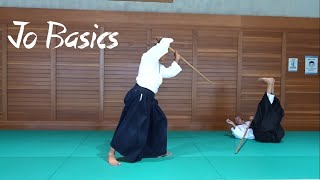
Basic Jo Principles - Introduction to Chiba Sensei's Weapons System #7
Davinder Bath