Коляно на Гърдите

SubFamily

Translation: коляно на гърдите

Overview

Подвариантът „коляно на гърдите

Also known as
Коляно на гърдите[1]Висока езда с коляно[2]Притискане с коляно на гърдите[3]

History & Origin

The knee-on-chest variation developed as a higher-pressure alternative to standard knee-on-belly, used by grapplers who sought to maximise pressure and control from the position. [1] It is taught alongside the standard knee-on-belly as an aggressive variation. [2],[3]

Effectiveness

Knee on chest places the knee higher on the opponent's torso, increasing pressure and restricting breathing. [1]

Lineage

Knee on chest is a variation of knee on belly used in BJJ. [1]

Competition Record

Used as a pressure variant in BJJ competition. [1]

Images

No images yet for this technique.

Sign in to suggest an image.

Biomechanical Mechanism

:

Position & Entry

From side controlRise up from side control, place the near knee across the opponent's belly or chest, post the far leg out for base
From guard pass (float pass)After passing guard, float the knee directly to the belly instead of settling to side control

Videos

Farside Armbar from Knee on Chest

0
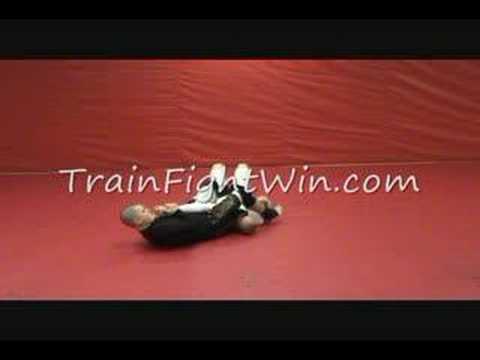
Коляно на Гърдите·TrainFightWin

www.TrainFightWin.com This is a farside armbar setup from the Knee on Chest Position.

1 video

Learn This Technique

No instructional courses yet for this technique.

Sign in to suggest a course.

Ratings

Danger Rating

Risk of injury to the person this technique is applied to

3
Moderate3/10

Top positions enable pressure and striking; rib compression risk under heavy pressure

Difficulty

Skill level needed to execute this technique reliably

Intermediate
Competition Legality

Whether this technique is allowed under major competition rule sets

IBJJF — Legal, knee on belly scores 2 points
IBJJF Rules Book v6.0, June 2024PDF
ADCC — Legal, knee on belly scores 2 points
ADCC Rules Update, April 2025PDF
Unified MMA — Legal dominant position
Unified Rules of MMA, August 2025PDF
UWW — Legal, back exposure scores points, pin ends match ...
UWW International Wrestling Rules, January 2026PDF
FIAS Sport Sambo — Legal, pin scores points
FIAS International Sambo Competition RulesPDF

Training Notes

Knee on chest places the knee higher on the opponent's chest or sternum — it is a more controlling variation that limits breathing and creates different submission angles than standard knee on belly (Danaher, Pin Escapes and Turtle Turnover, 2019)
Knee on chest is more suffocating than knee on belly: the pressure on the sternum restricts breathing more than abdominal pressure
The higher placement changes the submission entries: the armbar and triangle are closer from knee on chest because the upper body is more controlled
Knee on chest transitions naturally to S-mount: slide the knee across the chest toward the opposite shoulder
The position is particularly effective against larger opponents: concentrating weight on the chest limits their ability to bridge
In competition, knee on chest and knee on belly score the same points — the distinction is tactical, not rule-based
Knee on chest is more stable than knee on belly against bridge escapes — the chest placement creates a wider base of control

Common Mistakes

!Placing the knee too far to one side — centre the knee on the sternum for maximum pressure
!Not adjusting when the opponent bridges — ride the bridge with the knee and maintain position
!Using knee on chest without submission threats — the higher placement creates submission opportunities; use them
!Applying excessive pressure without purpose — knee on chest is for attacking, not for causing unnecessary discomfort
!Not transitioning to S-mount when available — knee on chest flows naturally to S-mount for armbar entries
!Staying on knee on chest when the opponent creates frames — transition back to side control if the position is compromised
!Not distinguishing knee on chest from knee on belly in training — the higher placement requires specific drilling

Related Techniques

Counter Techniques

Setup Chain

1Achieve Positiontransition into this position through passing, sweeping, or scrambling
2Stabilizeestablish controlling grips and weight distribution
3Maintainadjust to the opponent's escape attempts to hold position
4Attacklaunch offensive techniques from the stabilized position

Sources & References

Primary Source

Jiu-Jitsu University (Saulo Ribeiro, 2008)

1BookJiu-Jitsu University (Ribeiro, 2008)

Alias sources — [1] Jiu-Jitsu University (Ribeiro, 2008) [2] Mastering Jujitsu (Gracie & Danaher, 2003) [3] UWW Wrestling Rules

2BookBrazilian Jiu-Jitsu: Theory and Technique (Gracie & Gracie, 2001)

Effectiveness sources — [1] Jiu-Jitsu University (Ribeiro, 2008)

3OtherJapanese Combat Sports Katakana Convention

Standard katakana transliteration of Western martial arts terminology (外来語) — used in Japanese MMA, boxing, and BJJ communities

4CitationJiu-Jitsu University (Ribeiro, 2008)

Alias sources — [1] Jiu-Jitsu University (Ribeiro, 2008) [2] Mastering Jujitsu (Gracie & Danaher, 2003) [3] UWW Wrestling Rules

5CitationBrazilian Jiu-Jitsu: Theory and Technique (Gracie & Gracie, 2001)

Effectiveness sources — [1] Jiu-Jitsu University (Ribeiro, 2008)

Community

Athletics

Requires

body awareness, stability, control of weight distribution

Favours

athletic build with good proprioception

Key muscles

core, hips, legs for base stability

Sub-techniques

Frequently Asked Questions

How do I grip the arm when setting up a farside armbar from knee on chest?

Reach straight down into the gap between your body and your opponent's arm, then cup the back of their tricep with a monkey grip (no thumb), grabbing firmly right at the tricep. TrainFightWin emphasizes avoiding reaching behind the arm—focus on that gap instead.

What should I do if my opponent pushes while I have knee on chest?

When your opponent pushes, snatch their arm up toward you rather than just holding it passively; this aggressive pull gives you plenty of room to transition into the armbar. TrainFightWin stresses the importance of this pull to create space for the finish.

How do I finish the armbar once I've controlled the arm from knee on chest?

Turn to face your opponent's side, sit up, turn your body, and fall out into the armbar position. This smooth transition catches opponents off-guard since they don't see the armbar coming.

Как работи Коляно на Гърдите?

Подвариантът „коляно на гърдите

Откъде произлиза Коляно на Гърдите?

The knee-on-chest variation developed as a higher-pressure alternative to standard knee-on-belly, used by grapplers who sought to maximise pressure and control from the position. It is taught alongside the standard knee-on-belly as an aggressive variation.

Разрешена ли е Коляно на Гърдите в състезания?

IBJJF: легална — Legal, knee on belly scores 2 points; IJF: легална — Legal, osaekomi (pin) — 10-19 seconds scores waza-ari, 20 seconds scores ippon; ADCC: легална — Legal, knee on belly scores 2 points; Unified MMA: легална — Legal dominant position; UWW: легална — Legal, back exposure scores points, pin ends match by fall; FIAS Sport Sambo: легална — Legal, pin scores points

Колко опасна е Коляно на Гърдите?

Оценка на опасност 3/10. Moderate — top positions enable pressure and striking; rib compression risk under heavy pressure

Как се подготвя Коляно на Гърдите?

Стандартната верига за подготовка: Achieve Position → Stabilize → Maintain → Attack.

Как да се защитя срещу Коляно на Гърдите?

Стандартните контри включват: Posture Control — maintain strong posture to limit the opponent's offensive options / Escape to Neutral — work back to standing or a neutral position.

Какви са вариантите на Коляно на Гърдите?

Чести варианти: Standard knee on belly (knee across the midsection, far foot posted for base); Knee on chest (knee higher toward the chest for more pressure); Reverse knee on belly (facing the opponent's legs instead of their head); Floating knee (light, mobile knee ride allowing quick transitions).

Колко ефективна е Коляно на Гърдите в състезания?

Used as a pressure variant in BJJ competition.

Какви са честите грешки при изпълнение на Коляно на Гърдите?

Основни грешки, за които да внимавате: Placing the knee too far to one side — centre the knee on the sternum for maximum pressure / Not adjusting when the opponent bridges — ride the bridge with the knee and maintain position / Using knee on chest without submission threats — the higher placement creates submission opportunities; use them / Applying excessive pressure without purpose — knee on chest is for attacking, not for causing unnecessary discomfort.

Какви други имена има Коляно на Гърдите?

Коляно на Гърдите е известна също като Nī On Chesuto, Коляно на гърдите, Висока езда с коляно, Притискане с коляно на гърдите.