Rear Naked Choke, Seat Belt Control
0
Силна страна на предпазния колан·Just Train·Added by Admin
Translation: силна страна на предпазния колан
Позицията „силна страна на предпазния колан
Концепцията за силната страна на предпазния колан е систематизирана като част от методологията за атаки от гръб в BJJ, разграничавайки двете конфигурации на захвата по близостта им до финала с „задушване от гръб
Силната страна на предпазния колан (задушващата ръка е над рамото от страната, с която атакуващият е с лице) осигурява пряк достъп до влизане в задушванията от гръб. [1]
Разграничението между силна и слаба страна при контрола с предпазния колан е систематизирано от системата за атаки от гръб на Джон Данахър. [1]
Силната страна на предпазния колан е предпочитаната финална позиция за задушвания от гръб на високо ниво в състезания. [1]
No images yet for this technique.
Sign in to suggest an image.
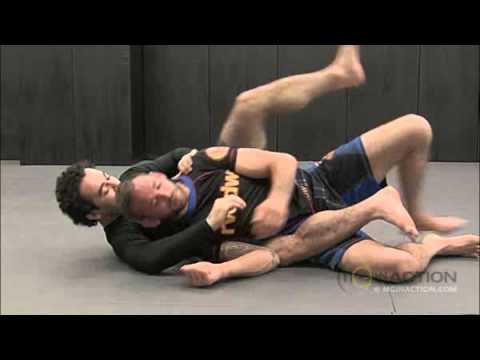
Part 7 of a series of videos on attacking from the back position, this time dealing with attacks and ideas from the stro…
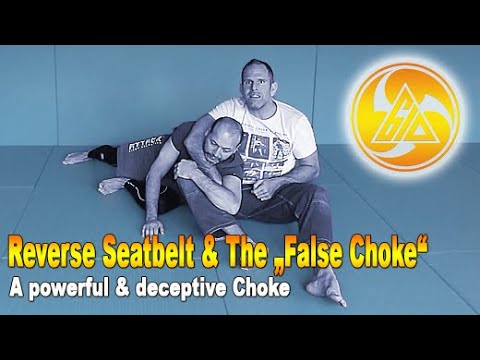
In this video BJJ Blackbelt Björn Friedrich shows you the Reverse Seatbelt and the "False Choke" A powerful control posi…
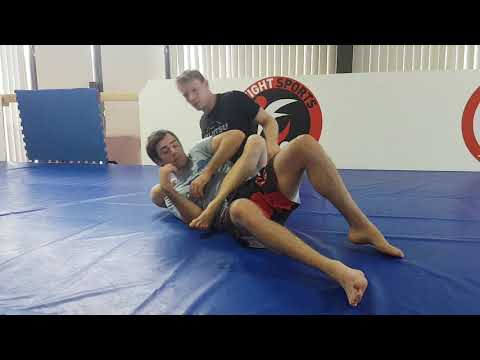
The strong side seatbelt is a back control configuration where the attacker's choking arm is positioned on the same side as the opponent's body orientation, eliminating the arm trap option but potentially creating a more difficult escape. According to Tom Halpin, establishing this position requires immediate body triangle security—stepping the hip and bringing the leg across to create outside, inside, or open variants. The primary challenge is hand fighting to access the choke; Halpin recommends the Camarillo grip (S-grip shoulder blade block) or the seatbelt sneak to break the opponent's grip and progress the attack. When direct choke attempts stall, Halpin advocates transitioning to the weak side using a chair system: the seatbelt arm slides back to base on the elbow while the bottom hook pressurizes the hamstring, allowing a roll to reposition for arm trap sequences. Alternatively, a Kimura grip variant (no-thumb, gooseneck wrist position) can be used from the seatbelt to access arm bar or weak-side Kimura attacks. EffortlessJiuJitsu's Björn Friedrich presents the reverse seatbelt—wrapping the neck and then grabbing one's own leg rather than the opponent's armpit—which he argues provides superior control and prevents arm escape. From either configuration, the false choke (choking with the arm that typically doesn't finish from back control) exploits reduced defensive awareness. All three instructors emphasize that strong side attacks demand superior hand-fighting mechanics and positional flexibility compared to weak side approaches.
Synthesized from 3 instructors
No instructional courses yet for this technique.
Sign in to suggest a course.
Risk of injury to the person this technique is applied to
Умерена — контролът от гръб е доминираща позиция; открива задушвания от гръб (Danaher 2021)
Skill level needed to execute this technique reliably
Whether this technique is allowed under major competition rule sets
Brazilian Jiu-Jitsu: Theory and Technique (Renzo Gracie & Royler Gracie, 2001)
Alias sources — [1] Jiu-Jitsu University (Ribeiro, 2008) [2] Mastering Jujitsu (Gracie & Danaher, 2003)
Effectiveness sources — [1] Mastering Jujitsu (Gracie & Danaher, 2003)
Standard katakana transliteration of Western martial arts terminology (外来語) — used in Japanese MMA, boxing, and BJJ communities
Alias sources — [1] Jiu-Jitsu University (Ribeiro, 2008) [2] Mastering Jujitsu (Gracie & Danaher, 2003)
Effectiveness sources — [1] Mastering Jujitsu (Gracie & Danaher, 2003)
контрол на куките, издръжливост на захвата за предпазния колан, връзка с ханша
дълги крака за дълбоки куки, силен захват за предпазния колан
аддуктори на бедрото, бицепси, предмишници, корем
In the classical seatbelt, you wrap around the neck and under the armpit. With the reverse seatbelt, you put your knee in, go around the neck, and grab your own leg instead—this catches opponents off guard because they defend against the classical setup while you're attacking differently. EffortlessJiuJitsu emphasizes that opponents often defend the expected classical seatbelt, so the reverse catches them unprepared.
After securing the seatbelt, control your opponent's arm to limit their rotation, then attack with a choke by bringing your hand under their chin or across their neck. Tom Halpin advises that if you can't establish a good body triangle or get finishes from the strong side, you can transition to the weak side to continue your attack.
Get your hand under the chin as quickly as possible and hide it between their head and your shoulder to prevent them from using their hand to break the grip. Seat Belt Control instructs that once your hand is inside this protected position, you can squeeze tight from the rear neck shoulder.
Позицията „силна страна на предпазния колан
Концепцията за силната страна на предпазния колан е систематизирана като част от методологията за атаки от гръб в BJJ, разграничавайки двете конфигурации на захвата по близостта им до финала с „задушване от гръб
IBJJF: легална — Разрешено, контролът от гръб с куки или триъгълник от тялото носи 4 точки; IJF: легална — Разрешено — контролът от гръб води до притискане или възможности за задушване; ADCC: легална — Разрешено, маунтът от гръб носи 3 точки (4 от подметка); Unified MMA: легална — Разрешено — доминираща позиция за удари в партер и задушване от гръб; UWW: легална — Разрешено — излагането на гърба е основният механизъм за точкуване в борбата; FIAS Sport Sambo: легална — Разрешено
Оценка на опасност 4/10. Умерена — контролът от гръб е доминираща позиция; открива задушвания от гръб (Danaher 2021)
Стандартната верига за подготовка: Постигане на позицията → Стабилизиране → Поддържане → Атака.
Стандартните контри включват: Борба за захват — бори се за захвата на задушващата ръка, за да предотвратиш задушването от гръб / Ходене с раменете — движи раменете към постелката, за да се освободиш от контрола от гръб / Завъртане към гард — завъртай се с лице към атакуващия и възстановявай гард позиция.
Чести варианти: Контрол от гръб с куки (двата крака закачени вътре в бедрата на противника); Контрол от гръб с триъгълник от тялото (краката заключени в обратна четворка около торса); Заден маунт (монтиран на гърба с двете куки, противникът с лице надолу); Контрол от гръб в седнало положение (седнал зад противника с куки, в изправена позиция).
Силната страна на предпазния колан е предпочитаната финална позиция за задушвания от гръб на високо ниво в състезания.
Основни грешки, за които да внимавате: Непознаване на коя е силната страна — ръката над рамото определя силната страна / Атакуване на задушването от слабата страна — винаги работи за преминаване към силната страна, преди да се ангажираш с… / Позволяване на противника да се завърти към слабата страна без корекция — следвай завъртането му, за да запазиш ъгъла… / Държане на задушващата ръка прекалено високо на рамото вместо близо до врата — ръката трябва да е позиционирана така,….
Силна страна на предпазния колан е известна също като Sutorongu Saido Shītoberuto, Предпазен колан от задушващата страна, Силна страна на контролния захват.