Strong Side Position Overview
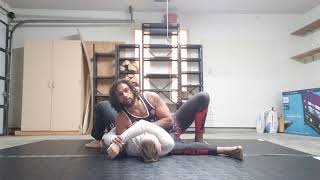
When the opponent lies on the side where the attacker's choking arm is positioned, this creates the strong side scenario. While this eliminates the arm trap option available on the weak side, it presents a more challenging escape for the opponent. Understanding strong side mechanics builds upon the hand fighting fundamentals covered previously.
Establishing the Body Triangle
The foundation of strong side control requires establishing a body triangle by stepping on the hip and crossing the leg across the opponent's body. The attacker can execute an outside body triangle, inside body triangle, or open body triangle from this position. Maintaining leg placement across the opponent's body significantly increases escape difficulty.
Hand Fighting Grip Breaks
Two primary hand fighting techniques prove effective from the strong side position. The Camarillo grip break involves reaching over with an S-grip or using the shoulder blade to block and break the opponent's grip. The seatbelt sneak technique requires sneaking the toe up underneath the top arm, which can pop up to unlock the choke if necessary.
Transitioning to the Weak Side
When hand fighting proves ineffective and the body triangle becomes difficult to maintain, the attacker can transition to the weak side by maintaining the seatbelt while sliding the elbow back to establish a base. The bottom hook comes out as the attacker presses the hamstring into the opponent to move toward mount position.
The Chair System Mechanics
From the modified position, the attacker's knee slides up under the opponent's head like a pillow while the seatbelt-gripping elbow rests on the leg. When rolling back, the attacker must attach tightly to the opponent rather than pulling away, executing a semicircle motion that transitions from the strong side to the weak side.
Weak Side Lock and Arm Trap
Once transitioned to the weak side, the attacker pinches tightly and locks the body triangle, then proceeds to the straight jacket and arm trap sequence. This movement pattern effectively solves strong side control issues by repositioning to the mechanically superior weak side.
Seatbelt Kimura Variation
An alternative strong side option employs the seatbelt grip combined with a Kimura grip, using no-thumb positioning where the wrist rolls inward to create a gooseneck tension grip. From this position, the attacker can transition to an armbar, roll back to the weak side for continued Kimura pressure, or lock the body triangle for the traditional arm trap sequence.
Strategic Approach to Strong Side
The instructor's preferred strategy involves attempting hand fighting techniques first, then transitioning to the weak side when strong side attacks stall. This approach maximizes control by moving to the mechanically superior weak side position rather than forcing submissions from the disadvantaged strong side.
Back Attacks - Part 7: Strong Side Tactics // Tom Halpin
Key Takeaways
- •Strong Side Position Overview
- •Establishing the Body Triangle
- •Hand Fighting Grip Breaks
- •Transitioning to the Weak Side
Part 7 of a series of videos on attacking from the back position, this time dealing with attacks and ideas from the strong side. I try to share all the useful details/tactics I've learned over the years, many of which I haven't seen explained elsewhere. Each video will follow directly on from the last so anyone interested can add the new details each week to their specific training from the back position. Any questions/feedback please let me know. Stay tuned for part 8..
Related Techniques
Frequently Asked Questions
What does this video teach about strong side seatbelt?
This video covers strong side position overview, establishing the body triangle, hand fighting grip breaks. It provides detailed instruction from Tom Halpin.
How long does it take to learn strong side seatbelt?
The basic mechanics can be understood in a single session, but developing reliable execution requires consistent drilling over weeks of practice. This 8-part breakdown helps structure your training by isolating each phase of the technique.
What are the key details for finishing strong side seatbelt?
An alternative strong side option employs the seatbelt grip combined with a Kimura grip, using no-thumb positioning where the wrist rolls inward to create a gooseneck tension grip. From this position, the attacker can transition to an armbar, roll back to the weak side for continued Kimura pressure, or lock the body triangle for the traditional arm trap sequence.
Related videos
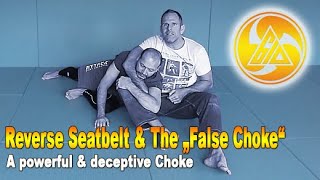
Reverse Seatbelt & The "False Choke" A deceptive and powerful position and Submission
EffortlessJiuJitsu
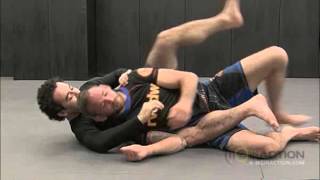
Rear Naked Choke, Seat Belt Control
Just Train
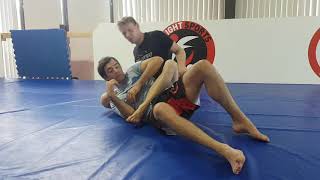
Back Attacks - Part 7: Strong Side Tactics // Tom Halpin
Tom Halpin
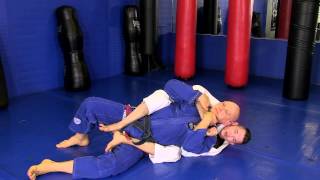
How to Totally Control Someone in Rearmount
Stephan Kesting
Scarf to Seatbelt Side Control
Mood Swing