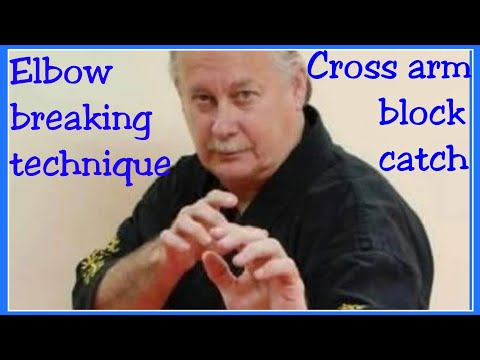
Arm breaking technique and using a cross arm block to catch by Grand Master Pat Munk Georgia Kenpo
Pat Munk's seminar held in Atlanta before the USA Martial Arts Hall of Fame. Pat prefers to fight in a phone booth so th…
Превод: Блок с кръстосани предмишници
Джак Демпси използва тези техники, за да се превърне в един от най-опустошителните нокаутьори в историята на бокса. [1]
Джак Демпси → съвременна боксова методология. [1]
Техниките на Демпси създадоха един от най-feared нокаутьорите в историята на бокса
Все още няма изображения за тази техника.
Влезте, за да предложите изображение.
Not yet documented
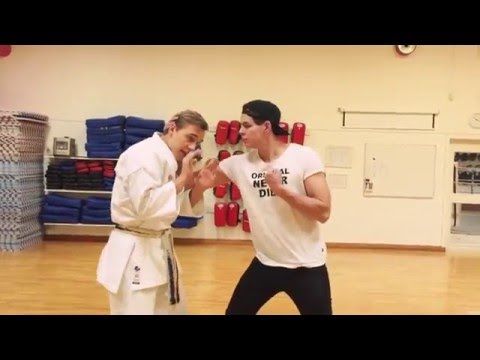
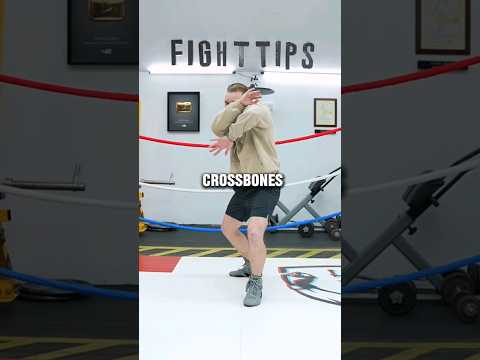
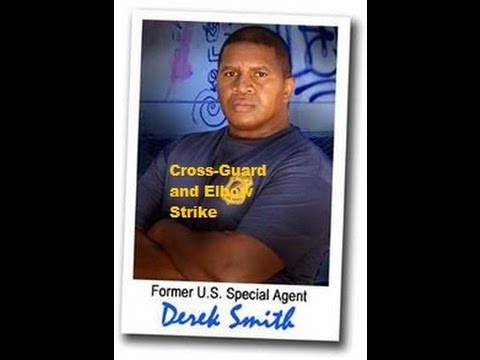
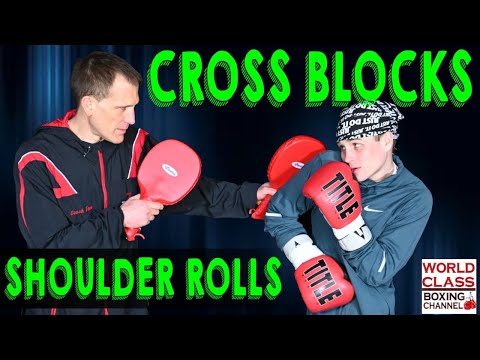
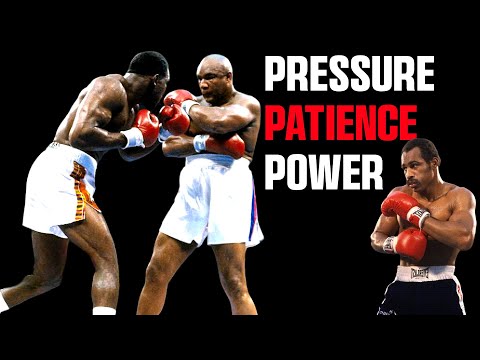
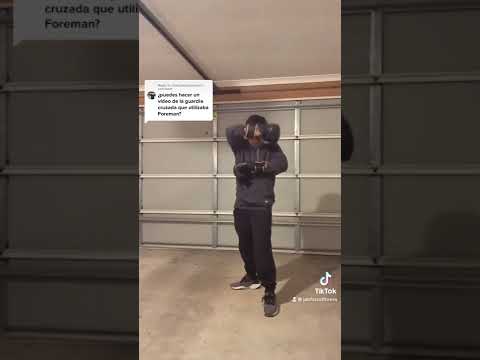
The cross-arm block, also called the cross guard or skull-and-crossbones guard, is a defensive system with deep historical roots in boxing, Muay Thai, and mixed martial arts. According to The Modern Martial Artist, the technique dates back to at least the 1800s and has been employed by legendary fighters including Archie Moore, Joe Frazier, George Foreman, and in modern MMA by Daniel Cormier. The block works by crossing the arms to protect both sides of the body simultaneously—one arm shields the head while the opposite shoulder and glove protect the other side, creating a vertical shield. The Modern Martial Artist emphasizes that this configuration completely protects one section on both sides, making it particularly effective against jab specialists and outboxers like Muhammad Ali, whose jab-centric game was neutralized by Frazier and Norton's cross guards. FightTIPS stresses that the cross-arm block functions within a broader defensive framework prioritizing foot movement and head position before relying on arm shields. Derek Special Agent Combative System demonstrates the block's application against hook punches, positioning raised elbows to absorb strikes while closing distance for counterattacking elbows. Jesse Enkamp presents a grappling application where the cross block transitions from a grab-and-wrist-control setup into throws or takedowns. All instructors agree the block requires reactive, dynamic adjustment rather than static positioning, and acknowledge vulnerabilities to high-volume multi-level offense and uppercuts.
Синтезирано от 4 инструктори
Все още няма курсове за тази техника.
Влезте, за да предложите курс.
Риск от нараняване на човека, върху когото се прилага техниката
Защитна техника
Ниво на умение, нужно за надеждно изпълнение на техниката
Дали техниката е разрешена според основните състезателни правилници
Championship Fighting (Dempsey, 1950)
description, historyOrigin: sourced from Dempsey, J
Експлозивно бутане с крака
Добър баланс
Силна ротация на тялото
Блокът с кръстосани предмишници използва двете предмишници, прекръстени пред лицето или тялото, за да поеме тежки атаки — последен резервен блок, когато едноръчните блокове са недостатъчни. Използва се в карате и кикбокс срещу мощни ритници и комбинации. (Nakayama, Dynamic Karate; наръчници по ударни техники)
You don't need to retract to a normal guard to punch—your lead arm can block while your power side remains free to throw explosive shots. The Modern Martial Artist notes that Archie Moore used this to his advantage, keeping his right hand available for powerful punches even while blocking with his lead arm.
Since both arms are crossed, they cannot cover every opening at once, making you vulnerable to high-volume, multi-level attacks. The Modern Martial Artist explains that opponents who throw repeated punches from different levels can find defensive gaps and beat you to the punch before you've fully set up your own shots.
Yes. Grand Master Pat Munk (Georgia Kenpo) teaches that you can block with one arm while the other acts as a catch hand, allowing you to control and keep your opponent's limb in place rather than just slapping it away, giving you control for follow-up techniques.
Jesse Enkamp demonstrates the cross block as a practical defense against a neck grab and punch—you can reach over to grab the attacker's wrist, turn away, and execute the cross block to either throw them or control their positioning.
Блокът с кръстосани предмишници прекръства двете предмишници пред лицето, за да поеме incoming удари, и се използва като последна защитна мярка, когато правилното уклоняване или отбиването на удара не е възможно.
Документирано от Джак Демпси, световен шампион в тежка категория (1919–1926), в неговата инструктивна книга от 1950 г. Техниките на Демпси са изпитани в боевете от епохата на бокс с голи ръце и ранния бокс с ръкавици.
Унифицирани правила за MMA: легална — Разрешена защитна техника; WBC/Бокс: легална — Разрешено — блокирането и уклоняването са основни боксови умения; WKF: легална — Разрешено — блокирането е фундаментално карате умение; Киокушин: легална — Разрешено; WT: легална — Разрешено; WAKO: легална — Разрешено; K: легална — 1/GLORY — Разрешено; IFMA: легална — Разрешено
Оценка на опасност 2/10. Защитна техника
Стандартната верига за подготовка: Стойка → Падаща стъпка → Блок с кръстосани предмишници → Последващо действие.
Стандартните контри включват: Клинч / Дистанция / Контраудар.
Техниките на Демпси създадоха един от най-feared нокаутьорите в историята на бокса
Основни грешки, за които да внимавате: Непренасяне на телесното тегло / Удряне само с ръце без участие на тялото / Нарушаване на силовата линия.
Блок с кръстосани предмишници е известна също като Kurosu Āmu Burokku, Кръстосан блок, Двойно покритие с ръце.