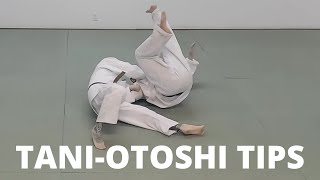
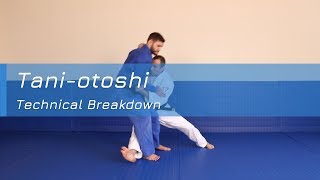
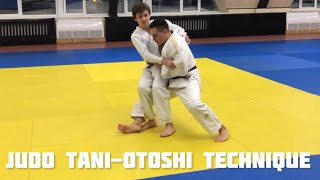
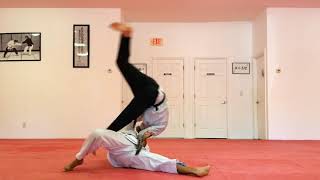
Introduction to Tani Otoshi
Tani Otoshi is among the most dangerous throws in judo, comparable only to Kani Basami in its risk profile. Both techniques pose severe injury risk because they involve committed drops where the thrower's full bodyweight descends with minimal control over the opponent's positioning.
Understanding the Injury Mechanism
The primary danger of Tani Otoshi occurs when the thrower commits fully to the drop and gravity takes over. If the opponent's leg is positioned beneath the thrower at an awkward angle during the descent, catastrophic injuries such as ACL tears are likely. Technical proficiency does not eliminate this risk, as the opponent's reaction and body angle determine the outcome.
Fundamental Tani Otoshi Setup
The basic Tani Otoshi begins with the thrower positioning themselves behind the opponent's legs. The thrower must angle their body behind the opponent's legs and execute the throw by dropping their hips and head to the opposite shoulder. This fundamental positioning is essential before attempting any variations.
Recognizing the Opportune Moment
Tani Otoshi is most effectively deployed after the opponent has defended against a turn throw by closing off their hips and tucking their knees. When the opponent hip-checks the thrower and retreats, the defensive position creates the ideal opening for a Tani Otoshi attack to the far leg.
Footwork and Positioning Variations
The thrower's initial stance determines the mechanics required to successfully position for Tani Otoshi. Direct frontal positioning requires significant opponent movement to create a clear path to the back leg, while angling the body to the side or adjusting the lead leg stance reduces the distance needed to access the back leg.
Right-Side Variations
When both thrower and opponent face the same direction, the thrower can attack Tani Otoshi using alternative entry angles. These variations require careful hand positioning and coordination, though they remain equally dangerous as traditional setups.
Safety Guidelines and Dojo Recommendations
Tani Otoshi is an instinctively appealing technique for new judoka but carries unacceptable injury risk for unsupervised training. Dojo instructors should prohibit the technique except when two experienced black belts voluntarily practice under controlled conditions. The technique's danger far outweighs its tactical value in standard training environments.
Final Safety Advisory
Claims of absolute safety when executing Tani Otoshi are false and dangerous. Even highly skilled practitioners cannot fully control all variables, particularly when training partners of significantly different sizes are involved. The technique's inherent unpredictability makes it unsuitable for general judo instruction and practice.
Tani otoshi in Depth
Key Takeaways
- •Introduction to Tani Otoshi
- •Understanding the Injury Mechanism
- •Fundamental Tani Otoshi Setup
- •Recognizing the Opportune Moment
Tani Otoshi is the most dangerous throw in all of judo. The injury rate on this technique is crazy. Don't do it in practice. Warning: I get angry at the end.... For more detailed and structured instruction, please visit my Judofanatics page! 🔥 My JudoFanatics Instruction🔥 https://judofanatics.com/search?q=shintaro+higashi www.ShintaroHigashi.com 💪Follow me on social💪 https://www.instagram.com/judoshintaronyc/ https://www.facebook.com/JudoShintaroNYC/ https://www.instagram.com/kokushibudoinstitute/ https://www.facebook.com/kokushibudo/ https://www.instagram.com/kanomartialarts/
Frequently Asked Questions
What does this video teach about standard tani otoshi?
This video covers introduction to tani otoshi, understanding the injury mechanism, fundamental tani otoshi setup. It provides detailed instruction from Shintaro Higashi.
How long does it take to learn standard tani otoshi?
The basic mechanics can be understood in a single session, but developing reliable execution requires consistent drilling over weeks of practice. This 8-part breakdown helps structure your training by isolating each phase of the technique.
What are the key details for finishing standard tani otoshi?
Tani Otoshi is an instinctively appealing technique for new judoka but carries unacceptable injury risk for unsupervised training. Dojo instructors should prohibit the technique except when two experienced black belts voluntarily practice under controlled conditions. The technique's danger far outweighs its tactical value in standard training environments.