Foundation: Shoulder Blade Control
The primary objective in side control is maintaining pressure on the opponent's shoulder blades to keep them flat against the mat. Any escape attempt will involve the opponent either turning into the controller to access their knee or a double leg takedown, or turning away to expose their back. Effective side control prevents both options through consistent shoulder blade pressure.
Common Mistake #1: Over-Reliance on Crossface
Many practitioners fixate excessively on the crossface technique, believing it alone secures control. However, an opponent can alleviate crossface pressure by rolling onto their side, which allows them to bridge and shrimp toward escape. The crossface is a useful tool but cannot function effectively in isolation without proper body positioning.
Common Mistake #2: Insufficient Hip Pressure
Attempting to pin an opponent's hips solely through tight elbow-to-knee positioning lacks sufficient force to prevent escape. When an opponent initiates a shrimp, this isolated hip control method fails to generate enough pressure to keep their hips pinned. Chest pressure must complement hip control to maintain complete positional dominance.
Chest Pressure as Core Control Mechanism
Chest pressure is the foundational principle for all effective pinning positions. By extending the thoracic spine and distributing body weight across the chest, a controller can keep an opponent's shoulders anchored to the mat regardless of arm positioning. This chest-driven approach remains consistent whether using a crossface, claw grip, or hip control.
Directional Pressure Against Frame Attempts
When an opponent frames against the neck, the angle of applied pressure determines the outcome. Pressure applied directly downward from a position directly overhead prevents shoulder displacement even as the opponent pushes upward. Conversely, pressure applied at an angle allows the opponent to shrimp away, so maintaining perpendicular pressure directly over the shoulder is essential.
Transitioning Over the Arm Frame
When an opponent establishes a strong neck frame, the controller can progress by moving their position over the top of the framing arm. This transition allows the controller to maintain chest pressure while neutralizing the frame's effectiveness. From this over-top position, the controller can advance toward north-south or continue regathering control.
Hip Frame vs. Ribcage Frame Responses
When an opponent frames on the top hip, it poses minimal escape threat because the controller can easily follow the shrimp attempt with their knee. However, when the opponent frames on the ribcage, they create significant wedging potential. In this situation, the controller must switch their hip in and elevate the framing arm while distributing pressure across their ribcage.
Universal Application Across Pin Types
Shoulder blade pressure principles extend beyond side control to all pinning positions, including half guard, mount, and mal. Regardless of the specific pin variation, maintaining opponent shoulder blade contact with the mat creates maximum mechanical disadvantage. This consistency allows practitioners to apply the same pressure philosophy across different positional contexts.
Progressing from Side Control to Mounted Position
When transitioning toward mount from side control, the controller prioritizes maintaining heavy chest pressure while using their top hand to drive the opponent's leg down. This action exposes space for the controller's knee to advance upward, threatening the mounted position and forcing the opponent to defend. Once the arm becomes trapped, the controller gains multiple submission and control options.
Arm Trap Control in Mount Transition
By trapping the opponent's arm during the mount progression, the controller severely limits framing options and defensive mobility. With the arm controlled, the controller can either push the wrist upward to feed it to their opposite hand or pin it to the opponent's hip. This trapped arm position creates a significant positional advantage from which multiple attacks become available.
The Secret to a World Class Side Control
Key Takeaways
- •Foundation: Shoulder Blade Control
- •Common Mistake #1: Over-Reliance on Crossface
- •Common Mistake #2: Insufficient Hip Pressure
- •Chest Pressure as Core Control Mechanism
This video I overview the key aspects of a strong side control. I focus primarily on the key principle of using your chest weight to pin your opponents shoulders to the mat. Not only does this have a huge effect in side control but in all pinning positions in general strong chest pressure is so powerful. More content on my website at https://www.jonthomasbjj.com/collections Kimonos https://www.vitalkimonos.com 0:00 Core Goal of Side and Common Mistakes 1:10 Chest Pinning Mechanic 2:25 Countering The Neck Frame 3:57 Countering The Hip Frame 5:07 Chest Pressure and Mount Transition 8:04 Countering The Underhook 8:52 Closing Principles
Related Techniques
Frequently Asked Questions
What does this video teach about crossface side control?
This video covers foundation: shoulder blade control, common mistake #1: over-reliance on crossface, common mistake #2: insufficient hip pressure. It provides detailed instruction from JonThomasBJJ.
How long does it take to learn crossface side control?
The basic mechanics can be understood in a single session, but developing reliable execution requires consistent drilling over weeks of practice. This 10-part breakdown helps structure your training by isolating each phase of the technique.
What are the key details for finishing crossface side control?
When transitioning toward mount from side control, the controller prioritizes maintaining heavy chest pressure while using their top hand to drive the opponent's leg down. This action exposes space for the controller's knee to advance upward, threatening the mounted position and forcing the opponent to defend. Once the arm becomes trapped, the controller gains multiple submission and control options.
Related videos
Setting A Crossface - A Crucial Skill of Half Guard Passing by John Danaher
BJJ Fanatics
How to Make Side Control BRUTAL with the Crossface
Stephan Kesting
BJJ Positioning: Securing Side Control
BJJCANADA.CA: REVIEWS, NEWS, AND MORE.
Side Control - Dealing with Frames and Establishing a Chest to Chest Pin
Fox Den Martial Arts
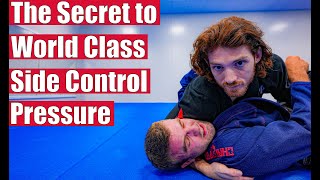
The Secret to a World Class Side Control
JonThomasBJJ