Introduction: The Mount Position Problem
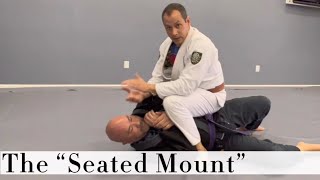
Many smaller grapplers struggle to maintain an effective mount position, finding themselves consistently bridged off or rolled into closed guard. This instructional addresses the core mechanics that transform mount from a vulnerable position into a dominant control point. The following techniques systematically eliminate the opponent's escape options through precise upper and lower body positioning.
Head Control: The Cross-Face Foundation
Head control determines which direction the opponent can bridge. A deep cross-face grip extending to the armpit, combined with a retracted elbow, allows the grappler's entire chest to drive the opponent's head in one direction rather than relying on shoulder pressure alone. This prevents the opponent from slipping their chin over the shoulder and severely limits effective bridging angles.
Weight Distribution: Blanketing vs. Pinpointing
Effective mount pressure comes from distributing weight across the entire upper body rather than concentrating force at single points. By opening the body and blanketing weight onto the opponent, the grappler maintains control while forcing the opponent to bridge in only one weakened direction. This approach is particularly effective for smaller grapplers competing against larger opponents.
Elbow Control: Disrupting the Knee-Bridge Escape
The opponent requires their elbow connected to the mat to successfully bridge up onto their knees. By elevating and controlling the elbow on the strong-side arm, the grappler prevents this escape transition and forces the opponent into compromised positions. Even flexible opponents cannot complete the full bridge when the elbow is disconnected from the mat.
Upper Mount Setup: Positioning for Submission Threats
Once the opponent's elbow is elevated, the grappler climbs it higher to create immediate submission opportunities including the head-and-arm choke and armbar. For pure control without submission intent, keeping the elbow elevated maintains escape prevention. This transition from control to attack options provides maximum positional versatility.
Advanced Control: The Tricep Post
By scooping under the opponent's arm and walking it up the grappler's leg, the grappler can post their head against the opponent's tricep and base their hand on the far side. This positioning locks the opponent's head straight ahead while allowing the grappler to catch their balance easily. Any bridging attempt becomes ineffective as the opponent can only waste energy pushing directly upward.
Leg Positioning: Hip Height Advantage
Positioning the hips slightly higher than the opponent's hips prevents effective bridging, as the opponent must push into empty space rather than against the grappler's heaviest weight. When hips are level, the opponent can use their powerful glute muscles to explosively throw the grappler's weight. Maintaining high hip positioning makes bridging exhausting and ineffective while keeping the position safe.
Why Your Mount SUCKS
Key Takeaways
- •Introduction: The Mount Position Problem
- •Head Control: The Cross-Face Foundation
- •Weight Distribution: Blanketing vs. Pinpointing
- •Elbow Control: Disrupting the Knee-Bridge Escape
Here are a few of my favourite tips on controlling from the mount position, and why you may be struggling in this position! Let me know your thoughts in the comments, as well as any other technique breakdowns you'd like to see in the future! Thank you to @progressjiujitsu for sponsoring this video ❤️ Links to sponsors, instructionals, and more - https://linktr.ee/Ffioneiradavies
Frequently Asked Questions
What does this video teach about standard supine rear mount?
This video covers introduction: the mount position problem, head control: the cross-face foundation, weight distribution: blanketing vs. pinpointing. It provides detailed instruction from Ffion Davies.
How long does it take to learn standard supine rear mount?
The basic mechanics can be understood in a single session, but developing reliable execution requires consistent drilling over weeks of practice. This 7-part breakdown helps structure your training by isolating each phase of the technique.
What are the key details for finishing standard supine rear mount?
By scooping under the opponent's arm and walking it up the grappler's leg, the grappler can post their head against the opponent's tricep and base their hand on the far side. This positioning locks the opponent's head straight ahead while allowing the grappler to catch their balance easily. Any bridging attempt becomes ineffective as the opponent can only waste energy pushing directly upward.