Introduction to Clinch Types
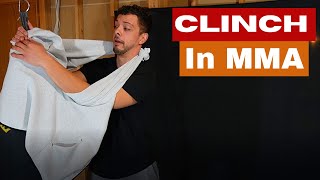
Oliver Enkamp introduces three primary clinch configurations used in MMA. The Thai or plum clinch involves controlling the opponent's neck for knee strikes or sweeps. The wrestling or over-under clinch positions one arm above and one below the opponent's arms for body control and takedowns.
The Steering Wheel Clinch
The steering wheel clinch establishes inside control by securing both the bicep and neck simultaneously, allowing directional control for sweeps and positional advantages. This grip exemplifies the fundamental principle underlying all effective clinch work.
Inside Control Principle
Inside control is the foundational principle that determines clinch success. Fighting with a tight guard, punching inside the opponent's arms, and grappling from an internal position ensures superior control in nearly all closing scenarios.
Energy Management in the Clinch
A common error in clinch work is expending excessive muscular effort attempting to move the opponent's body weight. Practitioners should instead lock their grip and manipulate their own body position to displace the opponent's balance and posture.
Defensive Clinch Applications
The clinch serves as a valuable defensive tool for boxers or strikers facing superior hand speed. By closing distance and establishing clinch control, fighters can neutralize striking combinations and reset engagement ranges.
Three-Level Defensive Framework
Clinch defense operates across three levels: upper level neck control is negated by raising shoulders and turning, middle level body control is managed through elbow tightness, and lower level leg attacks are stopped through framing with arm extension and hip positioning.
Upper Level Clinch Exercise
The initial drill focuses on neck and bicep clinch positions while maintaining inside arm positioning. Practitioners bridge the gap, use active shoulder pressure to disrupt the opponent's grip, and flow through motions without muscular tension.
Hip Drive and Posture Mechanics
Proper hip positioning is critical to avoid knee strikes and maintain structural integrity. The hips should drive forward with a straight spine, and the neck muscles should remain tensioned while the head stays in neutral alignment relative to the torso.
Middle Level Wrestling Clinch
The wrestling clinch uses underhook and overhook positioning with single-arm control on each side. Both fighters drive with their hips while closing elbows and maintaining weight distribution centered over their feet rather than leaning on the opponent.
Lower Level Framing and Leg Defense
Leg takedown defense utilizes shoulder joint framing with stiff arms rather than bicep engagement. The defending leg is withdrawn simultaneously while the arms create distance and structural support against leg attacks.
Integrated Clinch Drill
Once individual levels are isolated, practitioners combine upper, middle, and lower level responses in continuous flow. The aggressor may target any level while the defender maintains postural alignment, elbow control, and appropriate responses without disengaging.
How To CLINCH FIGHT Like A Pro MMA Fighter
Key Takeaways
- •Introduction to Clinch Types
- •The Steering Wheel Clinch
- •Inside Control Principle
- •Energy Management in the Clinch
Basic clinch techniques and tips from Oliver "The Future" Enkamp with his brother Jesse. These fundamental moves apply to Muay Thai, Wrestling, Grappling, Karate (tegumi) and Mixed Martial Arts. Learn how to hold the clinch, sweep and do submissions or throws for beginners. Check out the exercise at the end of the video to really master clinching and dirty boxing in a free flowing scenario. Visit http://www.karatebyjesse.com to learn more.
Related Techniques
Frequently Asked Questions
What does this video teach about mma clinch?
This video covers introduction to clinch types, the steering wheel clinch, inside control principle. It provides detailed instruction from Jesse Enkamp.
How long does it take to learn mma clinch?
The basic mechanics can be understood in a single session, but developing reliable execution requires consistent drilling over weeks of practice. This 11-part breakdown helps structure your training by isolating each phase of the technique.
What are the key details for finishing mma clinch?
Leg takedown defense utilizes shoulder joint framing with stiff arms rather than bicep engagement. The defending leg is withdrawn simultaneously while the arms create distance and structural support against leg attacks.