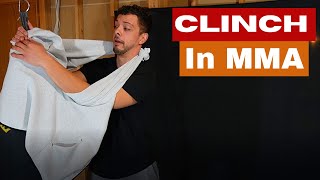
Program Overview
This instruction is part of a comprehensive old school boxing and clinch control curriculum. The material covers defensive techniques, binding mechanics, and wrestling-based back control strategies designed for standing and ground applications.
Single Underhook Hand Placement
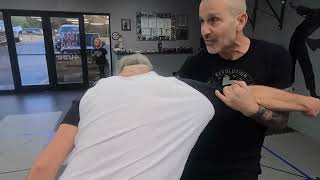
The underhook hand is positioned high on the opponent's scapula with the arm winged outward to prevent cranking. The grip is maintained on the side away from the opponent's primary hand, establishing control while limiting their leverage.
Head Position and Carotid Pressure
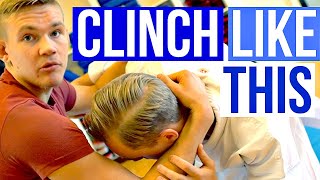
The controlling athlete places the top of their head—not the hairline or back of skull—directly into the opponent's carotid artery. This target area must remain centered in this specific zone, as improper vertical alignment reduces control effectiveness.
Contrary Pressure Mechanics
Control is maintained through simultaneous opposing forces: a pulling action with the underhook arm while pushing pressure is applied through the head. These pressures operate concurrently and continuously, never alternating in a back-and-forth rhythm.
Footwork and Distance Management
The controlling athlete executes backsteps with the foot opposite the underhook side, maintaining consistent head contact on the carotid. The footwork responds reactively to the opponent's movement in all directions—forward, backward, and lateral—ensuring sustained control and preventing cranking positions.
Free Hand Monitoring
The non-underhooking hand remains open with palm forward, monitoring the opponent's upper body for strikes or escapes. This hand can transition into bicep stops or wrist control as needed without requiring constant grip contact.
Angle and Body Positioning
The controlling athlete maintains a lateral angle rather than facing directly into the opponent, positioning the head on the side of the carotid. This angled positioning prevents the opponent's arm from accessing the controlling athlete's torso while maintaining pulling and squeezing pressure.
Application Progression
The single underhook clinch control serves as a foundational technique with expanded applications in ground-based back control positions. This standing clinch mechanic translates to mat-based wrestling and guard work with similar pressure principles and footwork concepts.
Single-Underhook Clinch Control
Key Takeaways
- •Program Overview
- •Single Underhook Hand Placement
- •Head Position and Carotid Pressure
- •Contrary Pressure Mechanics
Mark Hatmaker discusses Single-Underhook Clinch control. Details and drills on ESP RAW DVD 183 available only on our site http://www.extremeselfprotection.com
Related Techniques
Frequently Asked Questions
What does this video teach about clinch control?
This video covers program overview, single underhook hand placement, head position and carotid pressure. It provides detailed instruction from Mark Hatmaker.
How long does it take to learn clinch control?
The basic mechanics can be understood in a single session, but developing reliable execution requires consistent drilling over weeks of practice. This 8-part breakdown helps structure your training by isolating each phase of the technique.
What are the key details for finishing clinch control?
The controlling athlete maintains a lateral angle rather than facing directly into the opponent, positioning the head on the side of the carotid. This angled positioning prevents the opponent's arm from accessing the controlling athlete's torso while maintaining pulling and squeezing pressure.