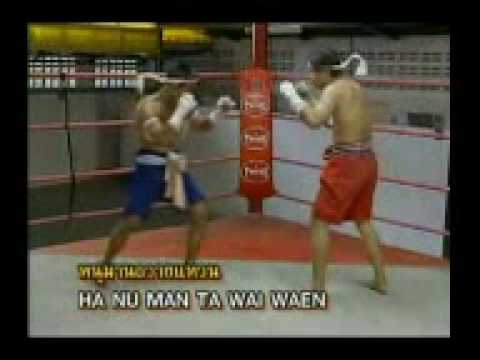
mae mai muay thai
0
Mae Mai Muay Thai·muaythaifighting
mean Muaythai techniques of using fists, feet, knees, and elbows efficiently in the attack and defense. The skills in Mu…
Translation: Mae Mai Muay Thai
The Mae Mai (แม่ไม้, 'mother techniques') of Muay Thai clinch work represent the foundational clinch techniques of traditional Thai boxing — the core curriculum for controlling an opponent at close range and delivering the devastating knee strikes and sweeps that define Muay Thai's clinch game. [1] The Mae Mai clinch techniques include the plum clinch (double collar tie, Muay Thai's signature clinch position), the single collar tie with arm control, the body lock clinch, and the traditional clinch sweeps (dumps) that off-balance and throw the opponent to the ground using clinch leverage. [1],[2] In Thai stadium fighting, the clinch exchange is where experienced fighters excel — the late rounds of Thai boxing matches are typically dominated by clinch work, with the fighter who controls the plum position landing knees while the opponent struggles to escape. [2],[3] The Mae Mai clinch is what distinguishes Muay Thai from all other striking arts — no other combat sport has developed such a comprehensive system of close-range clinch control integrated with striking. [3]
The Mae Mai clinch techniques are part of Muay Thai's ancient fighting tradition, developed over centuries of full-contact Thai boxing in Thailand. [1] The word 'Mae Mai' (แม่ไม้) means 'mother techniques' — these are the foundational clinch skills from which all advanced Thai clinch work derives. [1],[2] The plum clinch became internationally famous through Thai stadium fights at Lumpinee and Rajadamnern stadiums in Bangkok, where clinch-dominant fighters like Dieselnoi Chor Thanasukarn (renowned for his devastating knee strikes from the plum) built legendary careers. [2],[3] The Mae Mai clinch was adopted into MMA through Thai boxing cross-training and has become one of the most effective close-range fighting systems in the cage. [3]
The Mae Mai clinch is the most effective close-range striking system in combat sports — a dominant plum clinch with knee strikes can overwhelm any opponent. [1] Dieselnoi Chor Thanasukarn's career (undefeated Lumpinee champion) demonstrated that clinch-dominant fighters could defeat all comers through plum clinch and knee strikes alone. [2] In MMA, Anderson Silva and Valentina Shevchenko have demonstrated the effectiveness of the Thai plum clinch at the highest level. [3]
No images yet for this technique.
Sign in to suggest an image.
mean Muaythai techniques of using fists, feet, knees, and elbows efficiently in the attack and defense. The skills in Mu…
No instructional courses yet for this technique.
Sign in to suggest a course.
Risk of injury to the person this technique is applied to
High — the plum clinch enables devastating knee strikes that can cause knockouts, broken orbital bones, and rib injuries; the clinch sweeps/dumps can cause impact injuries on landing; the recipient of a dominant plum clinch is in significant danger
Skill level needed to execute this technique reliably
Whether this technique is allowed under major competition rule sets
Muay Thai: The Art of Eight Limbs (Kraitus & Kraitus, 1988)
Description sources — [1] Muay Thai: The Art of Eight Limbs (Kraitus, 1988) on Mae Mai clinch [2] Thai stadium fighting tradition [3] MMA adoption of Thai clinch
History sources — [1] Traditional Mae Mai curriculum [2] Dieselnoi career record [3] Thai clinch in MMA evolution
Description sources — [1] Muay Thai: The Art of Eight Limbs (Kraitus, 1988) on Mae Mai clinch [2] Thai stadium fighting tradition [3] MMA adoption of Thai clinch
History sources — [1] Traditional Mae Mai curriculum [2] Dieselnoi career record [3] Thai clinch in MMA evolution
grip endurance (maintaining the plum against resistance is exhausting), neck strength (resisting the opponent's plum attempt), core strength (pulling the head down, driving knees)
height (taller fighters have natural plum advantage), long arms (easier to lock behind the head), strong hips (knee strike power)
forearms (grip), biceps (pulling the head down), hip flexors (knee strikes), core (connecting pull and knee), neck (defending against opponent's plum attempt)
Every move, in any martial art, shares a few universal traits. Mix and match below to pinpoint the right tool — or compare equivalents across styles.
Hak Kor Erawan (Break the Elephant's Neck) is a devastating clinch technique that twists the opponent's neck using the clinch grip, named after the mythical three-headed elephant Erawan. [1] It combines neck manipulation with knee strikes. [1]
Pak Look Thoy (Impaling the Stake) is a downward elbow strike onto the opponent's crown or shoulder, driving the point of the elbow like a stake into the ground. [1] It is used against bent-over opponents or as a follow-up to a clinch break. [1]
Ta Then Kham Fak (Old Man Holds the Melon) is a clinch technique where the fighter secures the opponent's head (the melon) and delivers knee strikes while controlling posture. [1] It teaches head control and knee delivery from the clinch. [1]
The Mae Mai (แม่ไม้, 'mother techniques') of Muay Thai clinch work represent the foundational clinch techniques of traditional Thai boxing — the core curriculum for controlling an opponent at close range and delivering the devastating knee strikes and sweeps that define Muay Thai's clinch game. The Mae Mai clinch techniques include the plum clinch (double collar tie, Muay Thai's signature clinch position), the single collar tie with arm control, the body lock clinch, and the traditional clinch sweeps (dumps) that off-balance and throw the opponent to the ground using clinch leverage.
The Mae Mai clinch techniques are part of Muay Thai's ancient fighting tradition, developed over centuries of full-contact Thai boxing in Thailand. The word 'Mae Mai' (แม่ไม้) means 'mother techniques' — these are the foundational clinch skills from which all advanced Thai clinch work derives.
Unified MMA: legal — Legal — clinching is integral to MMA; IJF: legal — Legal — kumi-kata (grip fighting) is fundamental to judo; IBJJF: legal — Legal — standing grip fighting and clinch work permitted; IFMA: legal — Legal — the clinch is a core element of Muay Thai, clinch dominance is highly…; WBC/Boxing: restricted — Holding is technically a foul — referee breaks clinch, excessive holding resu…; K: restricted — 1/GLORY — One attack from clinch allowed, then referee breaks; WAKO: restricted — Clinch generally broken by referee — limited or no clinch fighting in most fo…; UWW: legal — Legal — clinch is fundamental to wrestling, the primary position in Greco-Roman
Danger rating 6/10. Moderate-high — the plum clinch enables devastating knee strikes that can cause knockouts, broken orbital bones, and rib injuries; the clinch sweeps/dumps can cause impact injuries on landing; the recipient of a dominant plum clinch is in significant danger
The standard setup chain: Enter Clinch Range → Establish Collar Tie → Swim to Plum → Frame Elbows → Pull Head Down → Deliver Knees → Turn and Angle.
Standard counters include: Posture Up — driving upward with the hips and shoulders to break the plum grip / Inside Bicep Control — placing hands on the opponent's inner biceps and pushing outward to break the elbow framing / Double Underhooks — swimming both arms under the opponent's arms to establish underhooks breaks the plum / Body Lock — dropping to a body lock when the opponent establishes the plum, preventing knee strikes.
Common variants: Plum clinch (double collar tie) (both hands clasped behind the opponent's head, elbows tig…); Single collar tie with arm control (one hand on the neck, one controlling the opponent's arm;…); Body lock clinch (arms around the torso for throws and sweeps; used when th…); Arm drag to plum (dragging the opponent's arm across to create an angle, th…); Long guard clinch (one arm extended into the opponent's face while the other…); Thai clinch sweep (dump) (using the plum grip and hip/knee action to trip and throw…); Turn and knee (from the plum, turning the opponent's body 90 degrees and…).
The plum clinch is the signature technique of Thai stadium Muay Thai, with clinch-dominant fighters historically achieving the greatest success at Lumpinee and Rajadamnern.
Top errors to watch for: Clasping hands too high on the head — the hands should cup the back of the skull (occipital region), not the top of t… / Not using elbow framing — without elbows pressing against the collarbones, the opponent can posture up and break the … / Kneeing without pulling the head — knee strikes from the plum are significantly more powerful when combined with a do… / Static plum position — holding the plum without attacking wastes energy and allows the opponent to work their escape;….
The Mae Mai Muay Thai is also known as Mē Mai Mue Tai, Mae Mai, Mother Techniques, Fundamental Muay Thai Clinch.