Overview of Pin Escape Methodology
The instructor presents a systematic three-step approach to escaping pins in Brazilian Jiu-Jitsu, particularly from mounted, side control, chest-to-chest, and half-guard positions. The framework is designed to provide a conceptual roadmap rather than relying on reactive movements, enabling practitioners to escape even when fatigued.
Step One: Establishing Inside Position
Inside position is the foundational element of any pin escape, consisting of three primary components: inside forehead position, inside elbow position, and inside leg position. Inside position functions to prevent the opponent from controlling both the head/shoulders and the hips, thereby neutralizing the opponent's positional advantage.
Inside Forehead Control
When an opponent applies cross-face pressure from mount or side control, the defender should position their forehead between the opponent's shoulders to negate the effectiveness of the cross-face. This positioning allows the defender to maintain composure and breathing while under pressure.
Framing Structure for Inside Position
Inside position involves establishing frames across both the upper and lower body—a cross frame at the shoulders/chest and a frame across the hips. These frames prevent the opponent from controlling the defender's center of gravity and force the opponent's weight onto the frames rather than compressing the defender's spine.
Load Distribution and Fatigue Management
By establishing proper inside position with effective frames, the defender transfers the opponent's weight away from the spine and onto the structural frames of their arms and body. This distribution allows the defender to sustain defensive positions longer and resist submission attempts more effectively.
Step Two: Creating Positional Imbalance (Kazushi)
After securing inside position, the defender must create movement and off-balance (kazushi) to destabilize the opponent's strong, heavy position. This displacement converts the defensive position into a more neutral one, allowing escape techniques such as the kipping escape to function effectively.
Escape Mechanics from Mount Position
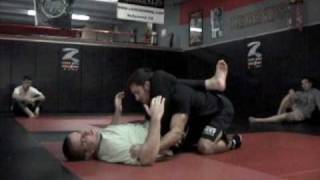
From the mounted position, the defender bridges directionally to force the opponent's hand to the mat, creating space to recover an arm. The defender then secures elbow-inside position on the opponent's knee while maintaining inside position, after which kipping or other escape techniques become viable.
Sequential Application from Side Control
In side control escape, the defender first establishes inside position and frames against the opponent's pressure. Only after achieving this structural foundation does the defender begin generating movement and off-balancing to create the space necessary for positional escape.
How To ESCAPE Bad Positions In BJJ
Key Takeaways
- •Overview of Pin Escape Methodology
- •Step One: Establishing Inside Position
- •Inside Forehead Control
- •Framing Structure for Inside Position
Join Ebsayz Jiu Jitsu for 1 on 1 coaching to accelerate your progress and guaranteed results! https://www.skool.com/ebsayz-online-4305/about?ref=c19137b34aca46c08b86ae35c48a0c50
Related Techniques
Frequently Asked Questions
What does this video teach about pin escape?
This video covers overview of pin escape methodology, step one: establishing inside position, inside forehead control. It provides detailed instruction from Ebsayz.
How long does it take to learn pin escape?
The basic mechanics can be understood in a single session, but developing reliable execution requires consistent drilling over weeks of practice. This 8-part breakdown helps structure your training by isolating each phase of the technique.
What are the key details for finishing pin escape?
From the mounted position, the defender bridges directionally to force the opponent's hand to the mat, creating space to recover an arm. The defender then secures elbow-inside position on the opponent's knee while maintaining inside position, after which kipping or other escape techniques become viable.