Weapon Classification Framework
Weapons in self-defense contexts are categorized into three types: edge weapons (sharp implements like knives), impact weapons (blunt objects like clubs or sticks), and projectile weapons (firearms or throwable objects). Understanding these distinctions is fundamental to developing appropriate defensive responses, as each category presents different tactical considerations and disarming challenges.
DDP-IT Framework for Weapon Disarms
The DDP-IT system provides a structured approach to weapon disarming by breaking defensive techniques into sequential phases. The first phase, DDP (Distancing, Distraction, Pain), creates tactical opportunities, while IT (Isolation, Takedown) completes the defensive sequence. This framework simplifies complex scenarios into manageable conceptual steps.
Distancing: Managing Weapon Range
Proper distancing involves maintaining awareness of the weapon's effective reach and positioning oneself outside the strike zone. Practitioners should train against an armed opponent to develop kinesthetic understanding of safe distances and the timing required to move in after a weapon swing passes the critical 50% mark of its arc.
Distraction Tactics
Distraction techniques involve using environmental objects or improvised items to divert an armed attacker's attention. Common methods include throwing gravel, change, or other debris toward the face to create a momentary opening for defensive entry. This momentary advantage allows the defender to progress toward weapon isolation.
Pain-Based Entry Methods
Inflicting targeted pain on an armed attacker creates tactical opportunities for entry and isolation. Effective targets include the eyes, shin, or groin, depending on weapon type and attacker positioning. Pain-based techniques are particularly useful against impact weapons where the defender can strike the attacker while maintaining distance awareness.
Weapon Isolation Principle
Isolation involves controlling the armed limb to prevent continued weapon deployment while engaging the attacker. The ideal isolation position uses two-handed control with one hand positioned high and one low on the weapon-bearing arm, creating mechanical advantage and preventing further strikes or stabs.
Practical Isolation Positions
While the ideal isolation involves precise two-handed positioning, real-world defensive scenarios may result in varied control positions. The principle remains: any position that prevents the weapon arm from moving constitutes effective isolation. Training should emphasize the ideal framework while developing adaptability to imperfect circumstances.
3 Practical Tips to Disarm a Weapon
Key Takeaways
- •Weapon Classification Framework
- •DDP-IT Framework for Weapon Disarms
- •Distancing: Managing Weapon Range
- •Distraction Tactics
Most people never train the right moves until it is too late. I'll teach you the 10 Best Self-Defense Moves, in 10 Days for only $10. Get it here: https://www.10DayDefense.com . -Sifu Matt In this video, I share with you 3 practical tips to disarm a weapon. These weapon disarming techniques can be used to take down any attacker, regardless of their size and strength. By mastering this technique, you can gain the confidence to protect yourself in any situation. Note: this video is for informational purposes only and should not be interpreted as an endorsement of engaging in physical altercations. Always prioritize de-escalation and seek professional training for self-defense. 🚩Join our Patreon community today to get access to exclusive perks! - https://patreon.com/MattNumrich?utm_medium=clipboard_copy&utm_source=copyLink&utm_campaign=creatorshare_creator&utm_content=join_link Check out my other videos here 👇 🎥 https://youtu.be/yVa4-kh-00k 🎥 https://youtu.be/-9_rvkl99FI Watch these playlists 👇 🎥 https://www.youtube.com/playlist?list=PLpYFGabHIHuWvIqKAnNGZ1im0RrIOJf2I 🎥 https://www.youtube.com/playlist?list=PLpYFGabHIHuX-MqjNx0sOasxnkWFhAavY 🎥 https://www.youtube.com/playlist?list=PLpYFGabHIHuUxQ5nbTwA92o9Okp-_XWoS 🎥 https://www.youtube.com/playlist?list=PLpYFGabHIHuUS1jrHG5KB5qUOzIqu9vke 🎥 https://www.youtube.com/playlist?list=PLpYFGabHIHuWAlm3MkxgxQXQIuWaOVuyZ ----------------------------------- Rapid Fighting Self-Defense Training Program - https://rapidfighting.com/ 👊 Learn defensive techniques against attackers 💡 React quickly and identify potential threats Sign up now and claim your FREE BONUSES - https://rapidfighting.com/ ----------------------------------- Join me as I share my wealth of expertise and passion for JKD and Krav Maga, honed through years of training, teaching, and real-world experience. Together, we'll dive deep into the art of self-defense, combining the lightning-fast strikes and fluid movements of JKD with the no-nonsense practicality of Krav Maga. Subscribe to my channel for exclusive videos that will show you how to protect yourself in real-world situations. Practice these self-defense techniques regularly and you'll be prepared to handle any challenge that comes your way. 👉 https://www.youtube.com/@SifuMattNumrich?sub_confirmation=1 #weapondisarm #howtodisarmaweapon #mattnumrich
Frequently Asked Questions
What does this video teach about weapon defence?
This video covers weapon classification framework, ddp-it framework for weapon disarms, distancing: managing weapon range. It provides detailed instruction from Matt Numrich.
How long does it take to learn weapon defence?
The basic mechanics can be understood in a single session, but developing reliable execution requires consistent drilling over weeks of practice. This 7-part breakdown helps structure your training by isolating each phase of the technique.
What are the key details for finishing weapon defence?
Isolation involves controlling the armed limb to prevent continued weapon deployment while engaging the attacker. The ideal isolation position uses two-handed control with one hand positioned high and one low on the weapon-bearing arm, creating mechanical advantage and preventing further strikes or stabs.
Related videos
How to Disarm a Weapon
Code Red Defense
Self Defence - Essential Tips for Self Protection - Crawley Kung Fu School - Clip 1
Kung Fu Schools Crawley
Arnis stick for self defence
The Bladed Bludgeoner, AKA “Battle Grandpa”
Baseball Bat Defence with Ricky Manetta - MMA Krav Maga
MMA Krav Maga
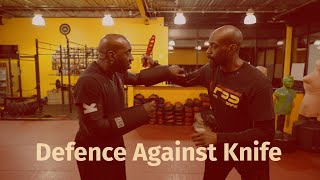
Defence Against Knife - Self Defence Techniques
Vee AJ Jitsu