Introduction to Dirty Boxing Takedowns
This instructional segment demonstrates an unorthodox clinch-based takedown technique applicable in kickboxing contexts where standard clinching is restricted or prohibited. The instructor will explore how to transition from close-range striking into a controlled takedown using body positioning and limb trapping.
Understanding Distance Management in Restricted Clinch Environments
In rule sets that prohibit or limit traditional clinching, fighters must develop alternative methods to control distance when closing the gap. Understanding what control methods remain legal within specific rule sets is essential before attempting any takedown technique.
Shoulder and Knee Bumps for Space Creation
When trapped at close range, shoulder and knee bumps create necessary separation while maintaining proximity. This technique allows the striker to generate angles for strikes while preventing the opponent from creating distance or escaping the clinch range.
Tricep Control for Preventing Distance Escape
Once in close range, securing control of the opponent's tricep with the hand prevents them from extending and creating distance. This control method is effective across most rule sets and maintains the fighter in optimal takedown position.
The Tricep Trap Sweep Technique
The instructor demonstrates a takedown by trapping the opponent's tricep, creating pressure with the body, and driving downward with hip and leg weight. This technique requires rule verification as some competitions may classify it as an illegal sweep or clinch manipulation.
Transitioning to Back Control Position
When the tricep trap sweep is unavailable due to rule restrictions, the fighter can use close-range positioning to establish back control. From this dominant position, weight distribution and leg positioning create stability for control or striking opportunities.
Head Position and Defense Considerations
Proper head positioning when maintaining close clinch control prevents illegal strikes to the back of the head while maintaining offensive pressure. Strategic head placement forces the opponent into defensive measures while allowing the fighter to control their movement.
Follow-Up Techniques from Clinch Control
From established clinch control, the fighter can transition to leg kicks, sweeps, or continued body control depending on rule set and opponent positioning. Maintaining control while executing follow-up techniques prevents the opponent from creating separation or regaining dominant positioning.
Practical Application and Rule Set Awareness
Practitioners should practice these techniques against resisting opponents while understanding their legality within their specific competition or training environment. Consulting local referees about rule interpretations ensures techniques developed in training remain viable in competitive settings.
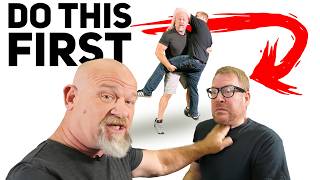
Dirty Boxing Takedown! | Unorthodox clinch takedown they won't see coming
Key Takeaways
- •Introduction to Dirty Boxing Takedowns
- •Understanding Distance Management in Restricted Clinch Environments
- •Shoulder and Knee Bumps for Space Creation
- •Tricep Control for Preventing Distance Escape
Next time you're sparring see if you can utilize this clinch -- see how it goes for you. After you get some time there, go for this cheeky takedown! #DirtyBoxing #Takedown #MetrolinaMartialArts -------------------------------------------------- Metrolina Martial Arts Concord, NC metrolinamartialarts.com facebook.com/metrolinamartialarts
Frequently Asked Questions
What does this video teach about standard dirty boxing td?
This video covers introduction to dirty boxing takedowns, understanding distance management in restricted clinch environments, shoulder and knee bumps for space creation. It provides detailed instruction from Metrolina Martial Arts.
How long does it take to learn standard dirty boxing td?
The basic mechanics can be understood in a single session, but developing reliable execution requires consistent drilling over weeks of practice. This 9-part breakdown helps structure your training by isolating each phase of the technique.
What are the key details for finishing standard dirty boxing td?
From established clinch control, the fighter can transition to leg kicks, sweeps, or continued body control depending on rule set and opponent positioning. Maintaining control while executing follow-up techniques prevents the opponent from creating separation or regaining dominant positioning.
Related videos
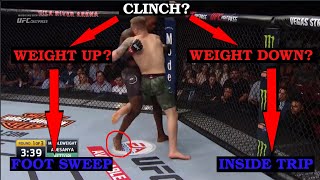
Learn just two moves for unstoppable clinch takedowns
Traditionalist Tolkienist
Dirty Boxing: Shoulder Strike For Clinch, MMA, Muay Thai and Self Defense. (Conor McGregor UFC 246)
Coach Ray
MMA Takedown from the Clinch Tutorial
Stuart Tomlinson
Khabib Nurmagomedov Takedown Technique (Wall Wrestling)
Steven Strangles People
The Easiest Street Takedown: Dirty Boxing to Single Leg (Cliff Odette)
Strip Mall Sensei