Historical Foundation and Body Alignment
The structured rapier thrust derives from historical sources such as Giganti's plates, characterized by the body positioned directly behind the sword with a straight line extending from the blade tip through the back leg. This alignment principle forms the mechanical foundation for efficient force transmission in the technique.
Posterior Chain Muscle Engagement
The thrust relies on coordinated activation of the posterior kinetic chain: glutes and hip flexors initiate pelvic stability, while the psoas muscles link the spine to the pelvis and legs. Latissimus dorsi muscles along the back enable arm retraction, and trapezius muscles facilitate shoulder blade positioning and arm elevation.
Core and Rotational Musculature
Abdominal obliques provide both torso rotation and lateral flexion, creating the torso-hip connection necessary for power generation. Deltoid muscles rotate the shoulders back into proper alignment, while the biceps provide arm support without excessive tension in the forearm.
Stance Preparation and Defense
From a relaxed stance, the practitioner engages posterior muscles sequentially, beginning with pelvic tucking and glute activation. This engagement drives the sword upward and creates an improved defensive cone around the body.
Execution Phase: Arm and Torso Drive
The thrust initiates with pectoral and triceps engagement to drive the sword forward from a slightly bent arm position. The obliques then rotate the torso in line with the sword, extending reach and power.
Completion and Shoulder Blade Integration
Final trapezius engagement brings the ribcage and shoulder blades into full alignment behind the blade, maximizing reach and creating a complete rotational movement pattern. This sequential integration results in a stable, extended thrust with minimal wasted motion.
Muscle Engagement vs. Uncontrolled Technique
Unengaged thrusts produce blade bounce and poor distance due to lack of muscular support. Proper sequential engagement creates stable contact with the target and increases effective striking distance as trapezius muscles bring the frame into alignment.
Common Error: Shoulder Protraction and Lat Disengagement
Failure to engage the latissimus dorsi and trapezius causes the shoulder to rotate forward, pulling strain across the shoulder and neck while the blade hangs unsupported. Correction requires deliberate posterior shoulder rotation using deltoid muscles with proper lat and trap engagement.
Common Error: Elbow Rigidity and Forearm Strain
Excessive elbow flexion or rigidity creates forearm strain by misaligning the biceps and forearm muscles. Proper technique requires the forearm and biceps to work in alignment for efficient force distribution.
Common Error: Core-Only Support Without Pelvic Stability
Relying on abdominal and back muscles without proper pelvic alignment forces the latissimus dorsi to work excessively, creating strain in the shoulder and armpit. Correcting pelvic position brings the entire structure into alignment and reduces compensatory muscle strain.
Structured rapier thrust
Key Takeaways
- •Historical Foundation and Body Alignment
- •Posterior Chain Muscle Engagement
- •Core and Rotational Musculature
- •Stance Preparation and Defense
Sara Lewis demonstrates how to identify and engage the right muscles to hold a rapier and complete a thrusting attack with good structure.
Related Techniques
Frequently Asked Questions
What does this video teach about rapier thrust?
This video covers historical foundation and body alignment, posterior chain muscle engagement, core and rotational musculature. It provides detailed instruction from swordpals.
How long does it take to learn rapier thrust?
The basic mechanics can be understood in a single session, but developing reliable execution requires consistent drilling over weeks of practice. This 10-part breakdown helps structure your training by isolating each phase of the technique.
What are the key details for finishing rapier thrust?
Excessive elbow flexion or rigidity creates forearm strain by misaligning the biceps and forearm muscles. Proper technique requires the forearm and biceps to work in alignment for efficient force distribution.
Related videos
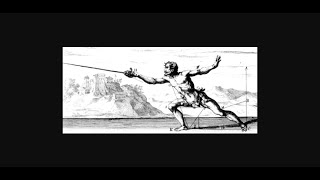
Capoferro Rapier 4: The Stoccata Thrust
Edinburgh Renaissance Fencing Academy

Learn Rapier IV. - First Guard
Martin Fabian
Learn Rapier V. - Second Guard
Martin Fabian
Can a RAPIER or SWORD be TOO LIGHT to CUT?
scholagladiatoria

Knife Defense Simplified: Essential Techniques For Everyday Safety
Funker Tactical - Fight Training Videos