Footwork as Technical Foundation
Footwork forms the foundational basis from which all fencing technique develops. Poor footwork creates instability and increases risk of injury, making proper progression from beginner to advanced levels essential for safe technique development.
Beginner On-Guard Position and Basic Steps
The beginner on-guard stance uses a moderate knee bend with feet spaced approximately shoulder-width apart. Advancing begins with the back foot pushing forward while the front heel lands first, followed by the toe; retreating reverses this pattern with the back foot landing toe-first before the heel drops.
Weight Distribution in Basic Footwork
During advances, weight concentrates on the back foot to allow the front foot to lift freely. In retreats, weight shifts to the front foot to displace the back foot efficiently.
Dynamic Stance Characteristics
Dynamic footwork employs a deeper on-guard position with knees more bent and feet positioned wider than shoulder-width, with the back foot extending well past the shoulder line. This lower center of gravity provides greater stability, rapid response capability, and increased power generation during movement.
Shallow Stepping and Heel Control in Dynamic Movement
Dynamic footwork uses small, shallow steps taken in rapid succession, enabling greater speed and upper body control without vertical bobbing. When advancing or retreating continuously, the heel does not fully contact the ground; the heel only drops when executing an emergency stop before changing direction or launching into an attack.
Weight Positioning During Dynamic Retreats
In dynamic retreats, the fencer leans slightly forward to apply increased weight on the front foot, generating greater pushing force during the retreat. This forward lean during rapid retreat prevents loss of balance while accelerating backward, contrasting with beginner technique where weight shifts more passively.
Competitive Applications of Dynamic Footwork
Dynamic footwork improves competitive performance by enabling proper weight distribution, lowering the center of gravity, and facilitating rapid acceleration and stable retreats. Consistent practice of dynamic footwork before tournament competition is essential for effective execution under pressure.
Drum Roll Drill for Dynamic Footwork
The drum roll exercise develops dynamic footwork through alternating weight transfers between front and back feet without hopping, performed from a deep on-guard position. Practitioners perform the drill for 15-second intervals, completing each cycle with a lunge before recovering and repeating for a total of three minutes.
Dynamic Foil Footwork
Key Takeaways
- •Footwork as Technical Foundation
- •Beginner On-Guard Position and Basic Steps
- •Weight Distribution in Basic Footwork
- •Dynamic Stance Characteristics
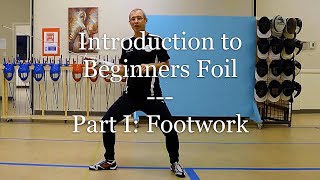
Footwork is the foundation from which technique is developed. For this reason it is important to ensure your footwork continues to develop to support more competitive training. This video will explore the basics of a more dynamic style of foil footwork and compare it with the more traditional beginner level footwork everyone learns when first starting.
Related Techniques
Frequently Asked Questions
What does this video teach about foil footwork?
This video covers footwork as technical foundation, beginner on-guard position and basic steps, weight distribution in basic footwork. It provides detailed instruction from OSM Fencing.
How long does it take to learn foil footwork?
The basic mechanics can be understood in a single session, but developing reliable execution requires consistent drilling over weeks of practice. This 8-part breakdown helps structure your training by isolating each phase of the technique.
What are the key details for finishing foil footwork?
Dynamic footwork improves competitive performance by enabling proper weight distribution, lowering the center of gravity, and facilitating rapid acceleration and stable retreats. Consistent practice of dynamic footwork before tournament competition is essential for effective execution under pressure.