Introduction to Advanced Armada
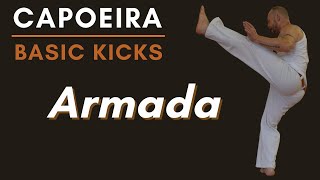
This instructional guide covers intermediate and advanced concepts for executing the armada with smooth rotation and optimal safety. The focus emphasizes proper body mechanics and the transitional phases that distinguish proficient technique from basic movement.
The Role of Elbows and Shoulders in Rotation
The elbows and shoulders are the primary drivers of rotational speed and control throughout the armada. By initiating arm movement from the jinga position through a full arc past the head, the practitioner generates the rotational momentum necessary for explosive hip engagement and kick velocity.
Foot Positioning and Internal Rotation
The standing foot must be internally rotated so the heel points toward the opponent like a laser indicator of kick trajectory. As weight transfers to the ball of the standing foot, the supporting leg bends slightly to maintain stability while the kicking leg reaches its apex.
Arc Control and Hamstring Engagement
Rather than executing a full circular arc, the practitioner should minimize the initial arc width and engage the hamstrings and glutes past the centerline to pull the kick back efficiently. This controlled retraction reduces vulnerability to counter-techniques and protects the hip joint from excessive strain.
Loading the Armada from Jinga Position
From a bent-knee jinga stance, the practitioner steps with the heel while raising the arms for head protection, then internally rotates the standing foot before committing to the spin. This loading phase serves as the final decision point to execute the armada or transition into alternative techniques such as matelo or sharpa.
Distance Management Through Finta Approach
Executing the armada from a finta step provides superior distance management and offensive positioning compared to the basic cadeira entry. The practitioner can cover ground during the spin while maintaining the ability to release the kick in any direction, creating tactical flexibility in live play.
Arm Positioning for Safety and Speed
The arms must remain elevated throughout the technique to protect the head while simultaneously controlling rotational speed through elbow placement. The speed of arm rotation directly correlates to kick release velocity, while proper arm positioning serves as the mechanism for controlling deceleration and reset.
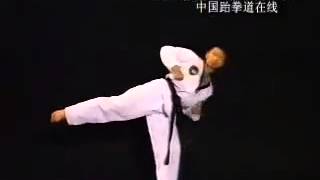
How to do Armada, advanced Capoeira concepts. An in depth Capoeira Kick Tutorial.
Key Takeaways
- •Introduction to Advanced Armada
- •The Role of Elbows and Shoulders in Rotation
- •Foot Positioning and Internal Rotation
- •Arc Control and Hamstring Engagement
This Advanced capoeira tutorial will take you to a new level. learn how to do Armada from within your ginga and even from your finta. Move along with Soquete during this in depth Capoeira instructional explaining the important details of Armada. Music :Sweet on Me Artist: Praz Khanal Subscribe for more capoeira videos -- https://www.youtube.com/channel/UCDWPN_IddXQvHRLyNNMb4XQ Let’s connect: Instagram – https://www.instagram.com/soquete_capoeira.yoga Website – https://www.learncapoeira.ca Facebook -- https://www.facebook.com/mestrandosoquete Twitter – https://twitter.com/Kadara_Soquete?s=20 Thanks for watching, Soquete Cultivating a Community.
Related Techniques
Frequently Asked Questions
What does this video teach about armada?
This video covers introduction to advanced armada, the role of elbows and shoulders in rotation, foot positioning and internal rotation. It provides detailed instruction from Capoeira with Soquete.
How long does it take to learn armada?
The basic mechanics can be understood in a single session, but developing reliable execution requires consistent drilling over weeks of practice. This 7-part breakdown helps structure your training by isolating each phase of the technique.
What are the key details for finishing armada?
Executing the armada from a finta step provides superior distance management and offensive positioning compared to the basic cadeira entry. The practitioner can cover ground during the spin while maintaining the ability to release the kick in any direction, creating tactical flexibility in live play.