Introduction to Jodan no Kamae
Jodan no Kamae, also known as Dai Jodan (great high posture) or Hi no Kamae (fire posture), represents the overhead sword stance in kenjutsu. This fundamental position varies significantly based on historical period, armor configuration, and tactical context. Understanding these variations is essential for proper technique execution.
Historical Evolution and Sword Types
The application of Jodan no Kamae differs between older tachi swords and modern Edo period kendo swords. Variations in how practitioners position the kashira (sword butt cap) reflect adaptations to environmental and strategic factors, such as sun exposure and opponent visibility. Historical context directly influences proper stance mechanics.
Angle and Strategic Concealment
Rather than holding the sword perfectly vertical, practitioners typically maintain the blade at a 45 to 60-degree angle to conceal the sword's full length from opponents. This positioning provides significant strategic advantage by preventing adversaries from accurately gauging blade length. The tsuba guard should be positioned near the head to further obscure the practitioner's identity.
Helmet Integration and Safety
Jodan positioning must account for the wearer's helmet type and peripheral vision constraints. A lower, angled Jodan provides better situational awareness and prevents accidental strikes against nearby allies or horses in group combat. Full-face helmets with crests (Maidate) necessitate modified blade positioning to avoid entanglement.
Flag Carriers and Ashigaru Considerations
Samurai carrying Sashimono (flag standards) on their backs required modified Jodan positioning to prevent striking their own banners during movement. Foot soldiers (Ashigaru) and mounted cavalry adapted their stance based on armor weight and equipment restrictions. These contextual factors create practical variations in the seemingly simple overhead position.
Elbow Positioning and Grip Variables
Practitioners must determine optimal elbow placement—whether tucked inward or extended outward—as each position carries distinct advantages and disadvantages. Tsuba placement relative to the head and the choice between right-sided (Migi) and left-sided (Hidari) Jodan further refine the stance. Individual teacher instruction should guide these nuanced technical decisions.
Continuous Learning and Historical Study
Deep understanding of Jodan no Kamae requires ongoing study of samurai history, Japanese culture, and armor evolution. Advanced practitioners gain insights through seminars, varied teaching styles, and comprehensive historical research that reveal multiple layers of tactical reasoning. Mastery remains a lifelong pursuit regardless of experience level.
Samurai Sword Stance question - Jodan Daijodan no Kamae
Key Takeaways
- •Introduction to Jodan no Kamae
- •Historical Evolution and Sword Types
- •Angle and Strategic Concealment
- •Helmet Integration and Safety
Sensei Norcross answers different reasons for holding the katana in a high posture. Background Music: Island Adventure by T.N. from the album Taiken 3 https://www.amazon.com/Taiken-3-Todd-Ryotoshi-Norcross/dp/B005Y05ABK Buy Physical media: Martial Arts Dojo DVD lessons, Books and Dojo Training Music like Island Aventure - https://www.ebay.com/sch/thedojomartialarts/m.html?item=264943158075&hash=item3dafd7c33b%3Ag%3AF2kAAOSwUlRbu4ZI&rt=nc&_trksid=p2047675.l2562 Todd Norcross Music Catalog: https://open.spotify.com/artist/1i4rF8wWmN9B2ckeKlcMYv More information on relocating and training in person at The Dojo Training Hall in Mason, Ohio U.S.A. https://www.thedojoinc.com/
Related Techniques
Frequently Asked Questions
What does this video teach about jodan no kamae?
This video covers introduction to jodan no kamae, historical evolution and sword types, angle and strategic concealment. It provides detailed instruction from The Dojo Martial Arts - Budo Taijutsu, Mason, Ohio.
How long does it take to learn jodan no kamae?
The basic mechanics can be understood in a single session, but developing reliable execution requires consistent drilling over weeks of practice. This 7-part breakdown helps structure your training by isolating each phase of the technique.
What are the key details for finishing jodan no kamae?
Practitioners must determine optimal elbow placement—whether tucked inward or extended outward—as each position carries distinct advantages and disadvantages. Tsuba placement relative to the head and the choice between right-sided (Migi) and left-sided (Hidari) Jodan further refine the stance. Individual teacher instruction should guide these nuanced technical decisions.
Related videos
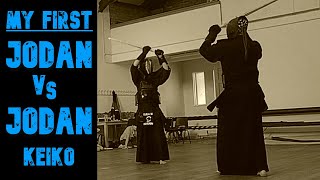
My first Keiko with another Jodan ( Kendo Training )
The Swordsman

Jodan no kamae Kendo Techniques — KAMINARIKAN
KAMINARIKAN
![Masayuki Shimabukuro Samurai Swordsmanship: The Basics [1/11] CD1](https://img.youtube.com/vi/lddhRjqmcSg/mqdefault.jpg)
Masayuki Shimabukuro Samurai Swordsmanship: The Basics [1/11] CD1
34r4k1
Aikido: Ju Nana Hon Kata - 10. Waki Gatame
Kaze Uta Budo Kai / Windsong Dojo
Aikido: Koryu Dai San Kata - 50. Hasso-waki-gamae
Kaze Uta Budo Kai / Windsong Dojo