Overview of Hane Goshi
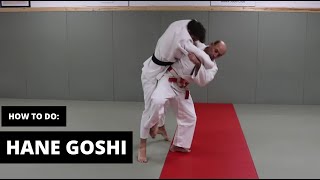
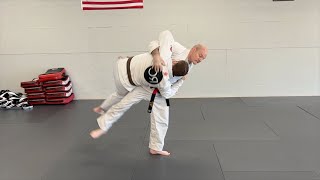
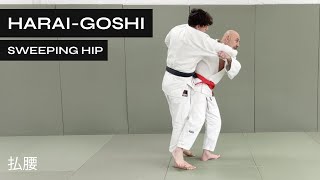
Hane goshi is the springing hip throw and is considered the most powerful hip throw in judo. The technique is characterized by exceptional height, with the opponent's feet elevated well above the head during execution. Small technical details are crucial to maximizing the throw's effectiveness.
Kazushi and Footwork
The initial breaking of balance (kazushi) requires stepping in while lifting the opponent up and forward. The stepping foot must be placed deeply between the opponent's legs, with all three legs eventually lining up. A low stance is essential to position the body correctly for the throw.
Hip Chamber and Foot Mechanics
The rear leg chambers with toes higher than the heel, using the arch and side of the foot rather than the sole for the driving motion. The push must travel outward and away from the thrower, originating from inside the opponent's knee. Using the sole of the foot significantly reduces power compared to using the arch.
Grip and Arm Positioning
Hane goshi works effectively from multiple grip types, including overhook and underhook positions. The thrower's elbow should slide into the opponent's armpit while pulling them upward. As the opponent becomes airborne, the arm catches the tricep to complete the throw.
Head Position and Blocking Defenses
The thrower looks in the direction of the throw, turning the head to the left when throwing with the right side. The opponent can defend by bending their knee to prevent the thrower from achieving the necessary position. When the foot is blocked, the thrower can transition to soto gake by planting the leg behind the opponent.
Transition to Soto Gake
When the initial hane goshi entry is blocked, the thrower plants the foot behind the opponent and completes the throw by turning them forward rather than pushing. This creates a seamless combination from a blocked hip throw into an outer hook technique.
Transition to Tai Otoshi
If the opponent steps around the initial hane goshi entry while the thrower is committed forward, attempting uchimata is ineffective. Instead, the thrower can transition to tai otoshi by stepping in front of the opponent while maintaining forward momentum.
Follow-Up Combinations
Hane goshi is effective as a finishing technique after other hip throws when the opponent resists with low posture. When an opponent defends against surigoshi by blocking with bent knees, hane goshi provides a powerful alternative. The technique can also follow koshiguruma attempts, as the foot placement for the sweep works below the knee regardless of hip depth.
Knee-Height Sweep Variation
When the opponent's knee blocks the traditional below-knee sweep, the thrower can sweep above the knee instead. This variation maintains the effectiveness of the leg technique even when the opponent's position prevents the standard sweeping motion.
Hane Goshi
Key Takeaways
- •Overview of Hane Goshi
- •Kazushi and Footwork
- •Hip Chamber and Foot Mechanics
- •Grip and Arm Positioning
Mark Gilston, 4th degree judo black belt, teaches and demonstrates various applications of Hane Goshi, the springing hip throw. http://www.coopermma.com/
Related Techniques
Frequently Asked Questions
What does this video teach about hane goshi?
This video covers overview of hane goshi, kazushi and footwork, hip chamber and foot mechanics. It provides detailed instruction from Seiryoku Zenyo.
How long does it take to learn hane goshi?
The basic mechanics can be understood in a single session, but developing reliable execution requires consistent drilling over weeks of practice. This 9-part breakdown helps structure your training by isolating each phase of the technique.
What are the key details for finishing hane goshi?
Hane goshi is effective as a finishing technique after other hip throws when the opponent resists with low posture. When an opponent defends against surigoshi by blocking with bent knees, hane goshi provides a powerful alternative. The technique can also follow koshiguruma attempts, as the foot placement for the sweep works below the knee regardless of hip depth.