Introduction to Hane Goshi
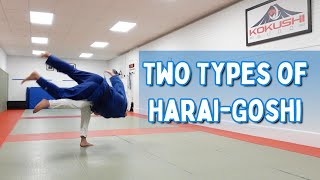
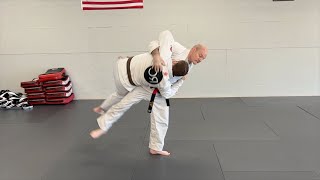
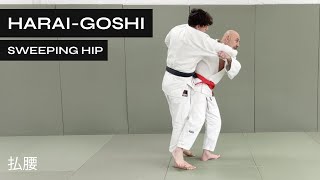
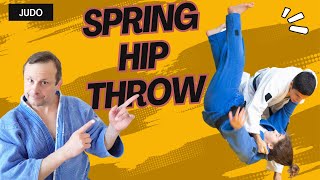
Hane goshi, also known as spring hip throw, is a forward-direction judo technique that derives its name from the characteristic leg action used in execution. The technique complements uchimata well, and practicing both throws together promotes their mutual development.
Grip and Control Foundation
The technique begins with inomukumikata grip, controlling the opponent's lapel while holding underneath the arm rather than on top. Holding underneath provides superior arm control, which is essential for breaking balance effectively in forward throws like hane goshi.
Entry and Balance Breaking
The thrower steps right foot to right foot while elevating the opponent, then brings the left foot in close while maintaining upright posture. The entry must maintain deep positioning close to the opponent, similar to uchimata, to ensure proper dynamics and prevent balance loss.
Leg Placement and Foot Position
The right leg places on the opponent's right leg just below the knee with toes pointed downward, not extended as a kick. The critical distinction from uchimata is pointing the knee outward to the side, which allows the foot to function as leverage for lifting rather than passing between the legs.
Execution and Hip Drive
The thrower bends forward with head toward the toe while the leg lifts upward and outward, using hip contact to generate throwing force. The throwing arm remains low and controlled during execution to maintain hip-to-hip contact and proper body mechanics.
Leg Height Variations
The foot contact point on the opponent's leg can be adjusted to high, low, or mid-thigh positions depending on comfort and body proportions. Mid-thigh placement provides optimal power generation at approximately 100 percent mechanical efficiency compared to extreme high or low positions.
Arm Control During Throw
The gripping hand must remain pressed downward throughout the technique to maintain proper body contact and hip positioning. Allowing the arm to push upward causes the thrower to hunch and compromises the technical integrity of the throw.
How to do Hane Goshi
Key Takeaways
- •Introduction to Hane Goshi
- •Grip and Control Foundation
- •Entry and Balance Breaking
- •Leg Placement and Foot Position
How to do Hane Goshi (Spring Hip). Hane Goshi is an extremely powerful technique that will be a great addition to every judokas arsenal. The key for this technique a good hip contact (Gake) and a dynamic scooping entry that will lift your opponent up. Hane Goshi is also an extremely effective technique that can great benefit techniques such as Uchi Mata and Hane Goshi. Follow us on Facebook at: www.facebook.com/SampsonJudo Follow us on Instagram at: www.Instagram.com/SampsonJudo www.sobelljudoclub.com www.judoforall.org.uk Finger tape: https://amzn.to/2zbqvyh Mizuno Judogi: https://amzn.to/3gasbZz Pre-washed soft black belt: https://amzn.to/2XpNIEK My ultimate technique reference book: https://amzn.to/2LT46Zk Mind over muscle by Jigoro Kano: https://amzn.to/2zeDTSi
Related Techniques
Frequently Asked Questions
What does this video teach about hane goshi?
This video covers introduction to hane goshi, grip and control foundation, entry and balance breaking. It provides detailed instruction from Sampson Judo.
How long does it take to learn hane goshi?
The basic mechanics can be understood in a single session, but developing reliable execution requires consistent drilling over weeks of practice. This 7-part breakdown helps structure your training by isolating each phase of the technique.
What are the key details for finishing hane goshi?
The foot contact point on the opponent's leg can be adjusted to high, low, or mid-thigh positions depending on comfort and body proportions. Mid-thigh placement provides optimal power generation at approximately 100 percent mechanical efficiency compared to extreme high or low positions.