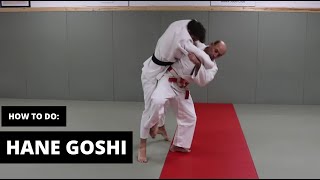
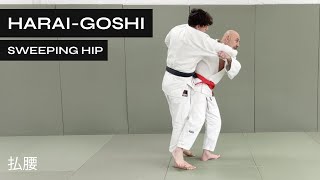
Introduction to Harai Goshi
Harai goshi, the sweeping hip throw, is a powerful judo technique that is often underutilized due to poor execution. Rather than simply sweeping the foot, proper harai goshi requires attention to hand placement, body positioning, and weight distribution to maximize effectiveness.
Hand Positioning and Grip
The front hand should grip the sleeve near the wrist to enable forward pulling power, as holding further back at the elbow or tricep allows the opponent to escape. The rear hand is placed vertically on the opponent's shoulder blades with the elbow down, generating maximum pulling force to bring the opponent onto the thrower's back.
Hip Position and Weight Distribution
The supporting leg must be positioned between the opponent's legs rather than to the side to properly support combined body weight. Proper positioning with the hip low enough to place the thrower's belt under the opponent's belt ensures efficient weight transfer during the throw.
Leg Technique and Footwork
The sweeping leg must remain completely straight throughout the throw to maintain power, as any knee bend significantly reduces the force generated. The thrower should step in with feet crossing, keeping the sweep directed over the body rather than around it, achieved by bringing the calves together during entry.
Movement and Setup Combinations
Harai goshi requires dynamic setup since static positions are impractical in live judo. The thrower can use a slight push with rotation to position the opponent for entry, then capitalize when the opponent reacts by stepping backward or attempting to block incoming attacks.
Uchi Gari and Uchi Goshi Entries
Uchi gari can serve as an effective setup when the opponent steps backward in response, creating the correct angle for harai goshi entry. Similarly, when attempting uchi goshi and encountering hip bump resistance, the thrower can transition by turning the grip to pull the opponent onto the back and executing the sweep.
Responses to Common Defenses
When opponents step into the thrower's entry to block wheel throws, harai goshi remains viable as an alternative. If the opponent attempts to avoid the sweep by hopping over the leg, the thrower can transition to footlock variations or osoto gari techniques depending on distance.
Harai Goshi Gaeshi Counter
The harai goshi gaeshi counter involves anticipating the sweep and tapping the thrower's supporting leg while lifting the arm and pushing forward slightly. Upon feeling the tap, the defending player tucks the sleeve arm into their hip and executes an underhook lift to complete the reversal.
Harai Goshi
Key Takeaways
- •Introduction to Harai Goshi
- •Hand Positioning and Grip
- •Hip Position and Weight Distribution
- •Leg Technique and Footwork
Mark Gilston, 4th degree judo black belt, discusses and demonstrates harai goshi (sweeping hip throw) and responses to defenses.
Related Techniques
Frequently Asked Questions
What does this video teach about harai goshi?
This video covers introduction to harai goshi, hand positioning and grip, hip position and weight distribution. It provides detailed instruction from Seiryoku Zenyo.
How long does it take to learn harai goshi?
The basic mechanics can be understood in a single session, but developing reliable execution requires consistent drilling over weeks of practice. This 8-part breakdown helps structure your training by isolating each phase of the technique.
What are the key details for finishing harai goshi?
When opponents step into the thrower's entry to block wheel throws, harai goshi remains viable as an alternative. If the opponent attempts to avoid the sweep by hopping over the leg, the thrower can transition to footlock variations or osoto gari techniques depending on distance.