Introduction
This instructional guide demonstrates proper hand wrapping technique for san shou and sanda combat sports. Correct hand wrapping protects the bones of the hand and wrist from injury during training and competition.
Selecting Hand Wrap Materials and Length
Hand wraps are available in various lengths and materials. Elastic wraps are preferred over cotton for superior hand conformity and support. Length selection depends on hand size and training duration: 180-inch wraps provide maximum protection for larger hands, while shorter wraps expedite the wrapping process for quick training sessions.
Creating the Knuckle Pad
Locate the looped end of the wrap and fold the open side to cover all knuckles without excess overlap. Fold this section over itself five times to create cushioning for the knuckles, providing essential impact protection during striking.
Initial Wrap Placement with Splayed Fingers
Grip the folded end with the index finger and thumb while keeping all fingers splayed apart. This hand position prevents the wrap from twisting during application and ensures proper Velcro alignment at completion. Place the pad over the knuckles and wrap once over the top, through the middle, and around the base to secure the padding in place.
Establishing Wrist Support
Create a wrist support base by wrapping three times around the wrist at three levels: high, middle, and low positions. This foundational support protects the carpal bones and small hand bones from compression and impact injuries.
Finger Separation Wrapping
Wrap between all four fingers by passing the wrap from the pinky side toward the thumb, then back toward the thumb between each finger set. This technique ensures individual finger support and distributes pressure evenly across the hand structure.
Thumb Wrapping (Optional)
Wrap around the thumb twice, circling from the palm side for complete thumb support and stability. While optional, thumb wrapping provides additional protection during grappling and clinching techniques.
Creating Palm Reinforcement Cross Pattern
Wrap from the pinky knuckle across the palm diagonally to the index finger knuckle, creating an X pattern across the hand. This cross-pattern reinforcement distributes striking forces and stabilizes the entire palm structure.
Final Wrist Securement and Tension Assessment
Complete the wrap by securing the Velcro closure around the wrist. The finished wrap should feel like a supportive cast with appropriate tension—firm enough to prevent movement but not so tight as to restrict circulation, verified by testing capillary refill on the finger.
How to wrap your hands for san shou/sanda
Key Takeaways
- •Introduction
- •Selecting Hand Wrap Materials and Length
- •Creating the Knuckle Pad
- •Initial Wrap Placement with Splayed Fingers
How to wrap your hands for san shou/sanda. Over the years, I have learned many techniques for wrapping your hands. The method in this video is the one that I have come to like the best. The main point when wrapping your hands is making sure your fist and wrist have plenty of protection. You do not want the wrap to be too tight, but you also do not want it to be too loose. Subscribe for more! Like our video! Like us on Facebook: www.facebook.com/mantismechanics Email us at: [email protected] Tell me what you think in the comments below! -~-~~-~~~-~~-~- Please watch: "Kung Fu For Kickboxing: Backfist to Trap" https://www.youtube.com/watch?v=sAcb4vs-D8I -~-~~-~~~-~~-~-
Frequently Asked Questions
What does this video teach about standard clinch sanda throw?
This video covers introduction, selecting hand wrap materials and length, creating the knuckle pad. It provides detailed instruction from Mantis Mechanics.
How long does it take to learn standard clinch sanda throw?
The basic mechanics can be understood in a single session, but developing reliable execution requires consistent drilling over weeks of practice. This 9-part breakdown helps structure your training by isolating each phase of the technique.
What are the key details for finishing standard clinch sanda throw?
Wrap from the pinky knuckle across the palm diagonally to the index finger knuckle, creating an X pattern across the hand. This cross-pattern reinforcement distributes striking forces and stabilizes the entire palm structure.
Related videos

Kick Catches - Introduction - Catch A
CSW Association
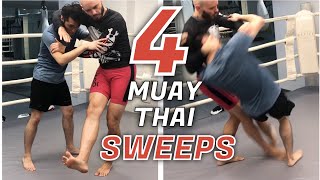
4 foot sweeps from the clinch for Thai boxing, MMA, and Sanda
Ramsey Dewey

Manipulations in Sticky Boxing / Clinch #kungfu #shuaijiao #sanda #mma
The Wandering Warrior

5 Best NoGi Judo Takedowns/ Throws for BJJ
Grappling Education
Basic Judo throws and concepts
Shintaro Higashi