Introduction to the Elbow Escape
The elbow escape from mount position serves as an alternative when traditional bridging techniques fail due to a strong opponent or effective base control. This escape proves essential when the top player maintains wide arm positioning or actively swims to defend against arm traps.
Leg Positioning and Hook Defense
The practitioner begins by extending both legs and pressing them flat against the ground to prevent the opponent from establishing hooks behind the knees. This foundational positioning removes a critical control point and creates the necessary space to initiate the escape sequence.
Head Positioning and Initial Turn
The escaping player maintains head contact with the opponent while turning toward the side where their head naturally positions. One leg bridges in while the other foot reaches over the opponent's leg, beginning to peel it between the knees.
Knee Squeeze and Grip Transition
After securing the opponent's leg between the knees, the practitioner uses either their hand or elbow to drive the leg deeper into this position. The grip then transitions to an over-shoulder clinch or collar control, ensuring the player remains connected while protecting against strikes and slams.
Leg Replacement and Hip Escape
The bottom player replaces their trapped leg by sliding the opposite foot underneath while driving their hips away from the opponent. This lateral hip movement creates the angle necessary to extract the trapped leg and transition toward closed guard.
Handling Crossed Ankle Hooks
When facing crossed-ankle hooks beneath the hips, a heel smash on top of the opponent's foot drives it flat against the ground, breaking the connection. This variation addresses a common defensive adjustment and restores the foundational leg position needed for escape.
Head Protection and Upper Body Control
For self-defense applications, transitioning the arm position to block potential strikes becomes critical. The practitioner can either lock hands palm-to-palm to prevent slams or hook the opponent's elbow, adjusting between these grips based on the opponent's reaction.
Final Leg Extraction and Guard Establishment
The bottom leg slides underneath the opponent's knee while the foot plants on the ground with aggressive hip displacement. This positioning prevents the opponent from transitioning to side control and allows clean extraction, establishing a safe closed guard position.
Shrimp Escape From Mount - Lesson 16
Key Takeaways
- •Introduction to the Elbow Escape
- •Leg Positioning and Hook Defense
- •Head Positioning and Initial Turn
- •Knee Squeeze and Grip Transition
Precision MMA in Houston offercs classes in Brazilian Jiu Jitsu, Kickboxing, and Mixed Martial Arts for all ages. Get your FREE DVD at www.precisionmma.com
Frequently Asked Questions
What does this video teach about standard shrimp recovery?
This video covers introduction to the elbow escape, leg positioning and hook defense, head positioning and initial turn. It provides detailed instruction from Tom Dinklage.
How long does it take to learn standard shrimp recovery?
The basic mechanics can be understood in a single session, but developing reliable execution requires consistent drilling over weeks of practice. This 8-part breakdown helps structure your training by isolating each phase of the technique.
What are the key details for finishing standard shrimp recovery?
For self-defense applications, transitioning the arm position to block potential strikes becomes critical. The practitioner can either lock hands palm-to-palm to prevent slams or hook the opponent's elbow, adjusting between these grips based on the opponent's reaction.
Related videos
BJJ Fundamentals Warm Up - Reverse Shrimp
Otomi Martial Arts | Caio Terra Association
How To Shrimp In BJJ (A.K.A. Elbow Escape)
Michael Foley's Academy of Martial Arts
Dealing With Inversion!
The Grappling Academy
A SIMPLE tip for ADVANCED Guard Retention - BJJ Analysis
Less Impressed More Involved BJJ
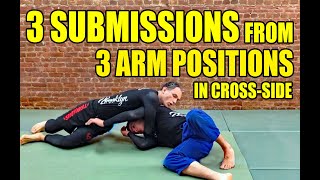
3 Arm Positions // 3 Submissions from Cross-Side (No Gi BJJ)
Brian Glick