Introduction: The Importance of Seated Posture
Proper sitting posture directly impacts martial arts performance and overall joint health. Most practitioners spend significantly more time sitting in poor positions than training, causing the body to adapt to dysfunction rather than the correct mechanics practiced in class.
The Postural Adaptation Principle
Students who maintain poor posture for 8 hours daily cannot offset this with 1-2 hours of correct practice. Establishing proper sitting posture throughout the day amplifies training effectiveness and reduces pain-related compensation patterns.
Entering the Chair: The Hip Hinge
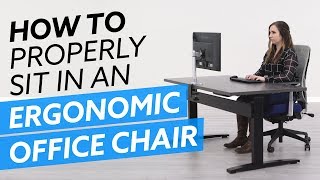
Rather than dropping into a chair, practitioners should maintain a neutral spine throughout the descent. The movement begins with a straight back, pushing the glutes posteriorly, then bending the knees while hinging at the hips to minimize joint impact.
Seated Position: Centering on the Sitz Bones
Weight should be distributed equally across the sitz bones—the bony prominences beneath the pelvis—rather than forward on the sitting surface or collapsed backward. Practitioners can rock their pelvis gently to locate the optimal center position with shoulders retracted.
Managing Fatigue and Lumbar Support
Maintaining upright posture fatigues the core and postural stabilizers, particularly for those unaccustomed to proper alignment. Lumbar support may be necessary during extended sitting periods until postural endurance develops.
Rising from the Chair: The Reverse Hip Hinge
Exiting the chair mirrors the entry movement: lean forward from the hips while maintaining spinal neutrality, transfer weight to the feet, and drive upward without arm assistance or spinal flexion.
The Master's Standard: Consistency in Posture
Advanced practitioners demonstrate unwavering postural discipline regardless of context—sitting on beds, chairs, or furniture. Their upright alignment, retracted shoulders, and neutral spine remain constant, never reverting to slouching or reclined positions.
How to Sit Like a Kung Fu Master
Key Takeaways
- •Introduction: The Importance of Seated Posture
- •The Postural Adaptation Principle
- •Entering the Chair: The Hip Hinge
- •Seated Position: Centering on the Sitz Bones
Have you ever noticed that Kung Fu Masters have impeccable posture while sitting? This is not by mistake! Their training translates into every part of their life, including sitting down. Try this simple routine for setting up a good sitting position and see if your training goes to the next level! Like and subscribe for more! Follow me on Facebook: https://www.facebook.com/mantismechanics/?ref=bookmarks Email me with questions: [email protected] Come train with me: www.lakeparkkungfu.com Thanks for watching! -~-~~-~~~-~~-~- Please watch: "Kung Fu For Kickboxing: Backfist to Trap" https://www.youtube.com/watch?v=sAcb4vs-D8I -~-~~-~~~-~~-~-
Frequently Asked Questions
What does this video teach about standard chair sit position?
This video covers introduction: the importance of seated posture, the postural adaptation principle, entering the chair: the hip hinge. It provides detailed instruction from Mantis Mechanics.
How long does it take to learn standard chair sit position?
The basic mechanics can be understood in a single session, but developing reliable execution requires consistent drilling over weeks of practice. This 7-part breakdown helps structure your training by isolating each phase of the technique.
What are the key details for finishing standard chair sit position?
Exiting the chair mirrors the entry movement: lean forward from the hips while maintaining spinal neutrality, transfer weight to the feet, and drive upward without arm assistance or spinal flexion.