Understanding Guard Pull Fundamentals
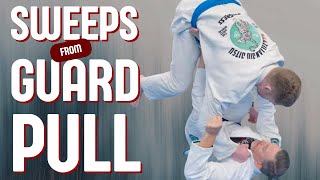
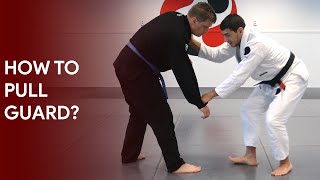
Guard pulling is a foundational jiu-jitsu technique that serves as the basis for sacrifice throws and dynamic takedowns. Unlike standing techniques, guard pulling requires the practitioner to establish grip contact with the opponent's gi—whether on the sleeve, collar, belt, or even fingers—before initiating the movement. This mandatory contact rule prevents athletes from simply running and jumping into guard without consequence.
The Hip Placement Method: Common Mistakes
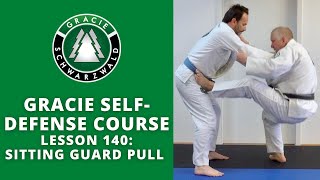
The traditional foot-in-hip guard pull is frequently executed incorrectly, with practitioners placing their foot too high on the opponent's hip and sitting straight down. This creates excessive load on the base leg, resembling a pistol squat position that lacks momentum and generates minimal forward progression. Poor execution leaves the athlete vulnerable to leg grab counters and takedowns.
Adding Angular Momentum for Effectiveness
Proper hip-based guard pulls require angular momentum rather than straight vertical descent. By stepping across the opponent's body and pivoting on the ball of the foot, the athlete generates rotational force that destabilizes the opponent's balance and base. This momentum makes it significantly more difficult for the opponent to counter with leg grabs or takedowns.
Grip Requirements and Safety Considerations
Maintaining sleeve control and preferably collar control is essential throughout the guard pull to prevent the opponent from executing throws or takedowns during the transition. The sleeve grip provides direct control over the opponent's arm and shoulder, while collar grip offers additional security and control. Without these grips, the athlete becomes vulnerable to counterattacks.
Execution: The Step and Swing Movement
The athlete begins by establishing grips (sleeve and ideally collar), then takes a large step completely across the opponent's body. Simultaneously pivoting on the ball of the foot, the athlete swings the other leg in an arc, making contact with the opponent's abdomen while pulling themselves underneath the opponent. This coordinated movement builds momentum that can elevate the opponent and set up advanced techniques like the Tomi Nagi sacrifice throw.
Building the Tomi Nagi Throw Foundation
When executed with sufficient momentum and control, the step-and-swing motion can develop into a Tomi Nagi sacrifice throw that takes the opponent completely over the top. However, most practitioners benefit from focusing on forcing the opponent to post and react defensively rather than attempting full rotations. Proper respect for the movement naturally encourages the opponent to base away and create space.
Progression and Practice Methodology
Athletes should initially practice the movement in slow, controlled repetitions to develop proper foot positioning, timing, and the falling motion. The drill should emphasize the smooth connection between stepping, pivoting, and pulling the opponent over the foot in one fluid motion. Proper mechanics at reduced speed establish the foundation for faster, more explosive execution.
Grip Distinction: Collar versus Sleeve Control
The sleeve grip provides superior launching power for the guard pull and potential throw development, allowing the athlete to elevate and rotate the opponent more effectively. The collar grip alone offers better control against X-pass and other guard passing attacks but sacrifices some throwing power. Most practitioners benefit from establishing both grips when possible, with sleeve grip prioritized for active pulling.
PULL GUARD Quick and Easy! (EVERY White Belt Should Know This)
Key Takeaways
- •Understanding Guard Pull Fundamentals
- •The Hip Placement Method: Common Mistakes
- •Adding Angular Momentum for Effectiveness
- •Grip Requirements and Safety Considerations
In Judo you'll often see people talking about "Sacrifice Throws" which if done wrong, can lead to a self-inflicted loss. The GLORIOUS thing about Jiu Jitsu is that the match doesn't end when our shoulder blades touch the mat. So we can use the mechanics of a Sacrifice Throw to effectively pull guard (maybe even sweep in the future) On https://Jiujitsux.com you can interact with other jiujitsu giga-nerds in our BJJ Forum section: https://jiujitsux.com/forums/ You can build a library of BJJ specialist instruction to improve your own game in the courses tab: https://jiujitsux.com/shop/ Everyday we have a bargain bin of DAILY STEALS these are the same HD complete training systems (except here they are half the price) just click here: https://jiujitsux.com/daily-steals/ our social medias FOLLOW PLS https://www.instagram.com/jiu_jitsu_x/ https://www.instagram.com/keenancornelius/ https://www.instagram.com/legion_ajj/ JiujitsuX has its own Youtube with daily technique uploads! Subscribe here! https://www.youtube.com/channel/UCvyJua81imeV42tD0oAQI5A
Frequently Asked Questions
What does this video teach about standard guard pull technique?
This video covers understanding guard pull fundamentals, the hip placement method: common mistakes, adding angular momentum for effectiveness. It provides detailed instruction from Keenan Cornelius.
How long does it take to learn standard guard pull technique?
The basic mechanics can be understood in a single session, but developing reliable execution requires consistent drilling over weeks of practice. This 8-part breakdown helps structure your training by isolating each phase of the technique.
What are the key details for finishing standard guard pull technique?
Athletes should initially practice the movement in slow, controlled repetitions to develop proper foot positioning, timing, and the falling motion. The drill should emphasize the smooth connection between stepping, pivoting, and pulling the opponent over the foot in one fluid motion. Proper mechanics at reduced speed establish the foundation for faster, more explosive execution.