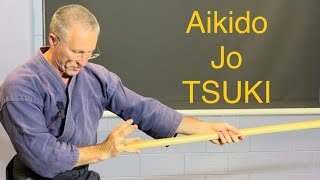
Introduction to Yokomen
Yokomen is a diagonal strike targeting the side of the head or neck, executed from a raised sword position. This fundamental technique forms the basis for multiple offensive and defensive variations in traditional martial arts practice.
Basic Stance and Grip
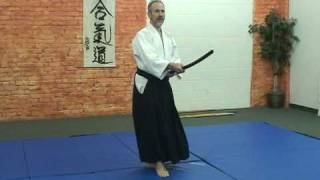
The practitioner assumes a stable, grounded stance with feet shoulder-width apart and knees slightly bent. The sword is held with both hands in an elevated ready position, with elbows relaxed and shoulders neutral to maximize striking power and control.
The Primary Strike Motion
From the ready position, the yokomen strike follows a diagonal path from upper-right to lower-left (or vice versa). The movement originates from the hips and shoulders, with the wrists remaining firm to transmit full force through the blade to the target.
Variation One: Overhead Entry
This variation begins with an overhead chamber position before executing the diagonal strike. The extended preparation allows practitioners to generate increased momentum and adjust targeting based on opponent positioning.
Variation Two: Flowing Transitions
Practitioners chain multiple yokomen strikes in sequence, using hip rotation and step mechanics to fluidly transition between attacks. This continuous flowing method develops timing, rhythm, and the ability to maintain offensive pressure through multiple techniques.
Variation Three: Defensive Application
Yokomen techniques can be executed as counterattacks following successful blocks or parries. The defender uses the opponent's incoming force and positioning to redirect into their own diagonal strike with minimal recovery time.
Common Errors and Corrections
Practitioners often lose power by relying solely on arm strength rather than engaging the core and hips. Correct execution requires the entire body to participate in the strike, with the sword serving as an extension of rotational energy from the center.
Training Progression and Mastery
Begin with slow, controlled repetitions to establish proper mechanics before increasing speed and power. Consistent practice against static and dynamic targets builds muscle memory, distance awareness, and the reflexive control necessary for advanced applications.
Yokomenuchi Variations
Key Takeaways
- •Introduction to Yokomen
- •Basic Stance and Grip
- •The Primary Strike Motion
- •Variation One: Overhead Entry
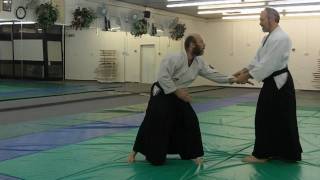
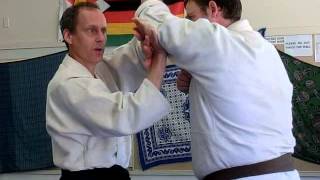
Seidokan Aikido of South Carolina Chief Instructor, Doug Wedell, and Senior instructor, Paul Bradley, demonstrate defense techniques from yokomenuchi (strike to side of head) and Kaeshi Yokomenuchi (reverse strike to side of head)
Related Techniques
Frequently Asked Questions
What does this video teach about yokomen?
This video covers introduction to yokomen, basic stance and grip, the primary strike motion. It provides detailed instruction from MasaKatsuAiki.
How long does it take to learn yokomen?
The basic mechanics can be understood in a single session, but developing reliable execution requires consistent drilling over weeks of practice. This 8-part breakdown helps structure your training by isolating each phase of the technique.
What are the key details for finishing yokomen?
Practitioners often lose power by relying solely on arm strength rather than engaging the core and hips. Correct execution requires the entire body to participate in the strike, with the sword serving as an extension of rotational energy from the center.