Introduction to No-Gi Judo Takedowns
This instructional series features Rhys Allen, a national Australian judo champion, demonstrating the five most effective takedowns for no-gi grappling. These judo-based techniques are particularly valuable because they minimize the risk of front headlock positions that commonly occur when executing leg shots.
Balance Breaking Fundamentals
The foundation of effective takedowns begins with identifying the opponent's stance and determining which foot is weighted. Right-dominant players should target an opponent's right foot forward position. Using a collar tie grip combined with tricep control, the instructor forces all opponent weight onto the target leg, creating the necessary imbalance for the sweep.
Executing the Outside Sweep
Once the opponent's weight is fully committed to one leg, the takedown becomes mechanical. The instructor steps in and sweeps the weighted leg on the outside, using the broken balance to complete the throw. Hip charging offers an alternative entry method when sufficient speed is available.
Opposite-Stance Collar Tie Battle
When facing an opposite-handed opponent, the collar tie battle becomes crucial. The primary objective is securing inside position while controlling the opponent's wrist. Shoulder shrugging opens the opponent's elbow, allowing the defender to establish the superior inside grip position required for effective throwing.
Tai Toshi Against Posture Break
After securing dominant grip control, breaking the opponent's posture forces them to pop upward, transferring weight to their lead leg. At this moment, the tai toshi becomes effective. The instructor contacts above the armpit with a bent leg, then extends powerfully at the finish to maximize throwing force and control.
De Ashi Barai Setup and Execution
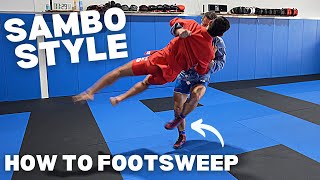
The de ashi barai is particularly effective against opponents with their left foot forward when distance makes traditional attacks difficult. The instructor establishes a collar tie while creating tension between the opponent's neck and shoulder, forcing weight toward the back foot. A controlled sweep of the advancing leg completes the throw.
Uchi Mata with Whizzer Control
Uchi mata execution varies based on position and grip control. From a whizzer position, grip control becomes essential—the opponent's hand must never reach the hip. A shallow whizzer, rather than a deep one, preserves sufficient hip mobility for proper uchi mata mechanics and entry.
5 Best NoGi Judo Takedowns/ Throws for BJJ
Key Takeaways
- •Introduction to No-Gi Judo Takedowns
- •Balance Breaking Fundamentals
- •Executing the Outside Sweep
- •Opposite-Stance Collar Tie Battle
Keller Locke-Sodhi and Rhys Allan teach FIVE of their favourite Judo takedowns adapted for NoGi grappling/ Brazilian Jiu Jitsu. Keller is an ex Australian Judo athlete, BJJ/Judo BlackBelt and ADCC trials Champion, while Rhys is a National Judo Champion turned NoGi grappling competitor. 00:00 - Intro 00:46 - 1. Osoto Gari 02:13 - 2. Tai Otoshi 04:53 - 3. Deashi Harai 06:20 - 4. Uchi Mata 08:32 - 5. Kouchi Gari 09:32 - Worst Throws Website: https://grapplingeducation.com/ Instagram: https://www.instagram.com/grapplingeducation/ Filmed by @judekeann Edited: @chaplin.io #jiujitsu #judo #nogi #bjj #adcc
Related Techniques
Frequently Asked Questions
What does this video teach about double under-the-legs defense to sweep?
This video covers introduction to no-gi judo takedowns, balance breaking fundamentals, executing the outside sweep. It provides detailed instruction from Grappling Education.
How long does it take to learn double under-the-legs defense to sweep?
The basic mechanics can be understood in a single session, but developing reliable execution requires consistent drilling over weeks of practice. This 7-part breakdown helps structure your training by isolating each phase of the technique.
What are the key details for finishing double under-the-legs defense to sweep?
The de ashi barai is particularly effective against opponents with their left foot forward when distance makes traditional attacks difficult. The instructor establishes a collar tie while creating tension between the opponent's neck and shoulder, forcing weight toward the back foot. A controlled sweep of the advancing leg completes the throw.