Core Principle: Controlling the Escape
Twister Side Control differs fundamentally from static control positions by emphasizing dynamic movement and escape management rather than pinning. The position's primary objective is to control the opponent's available escape routes, forcing them to move in predictable directions. By doing so, the top player can anticipate and counter the opponent's reactions rather than simply holding them stationary.
Position Mechanics: Hip Control and Surfing
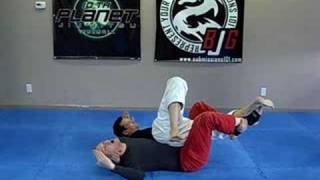
The top player maintains contact with the opponent's knees while keeping their hips elevated off the mat, creating a dynamic 'surfing' position. The instructor emphasizes checking the rear knee to prevent knee strikes while maintaining pressure through the upper body. This allows the lower body freedom to move while the top player remains in position to intercept escape attempts.
The Truck Entry: Grip and Knee Placement
As the opponent moves to their knees, the top player reaches through the crotch to establish either an S-grip or ball-and-socket grip while simultaneously driving their knee into the opponent's hip. The knee placement is critical—it must be inserted during the opponent's movement to ensure proper positioning. This simultaneous grip and knee placement prevents the opponent from fully establishing turtle position.
Foot Stomp Technique and Efficiency
Modern applications emphasize stomping the opponent's foot to control leg movement rather than manually opening the legs. This technique proves more efficient as it restricts all leg movement, creates discomfort at the knee, and allows better weight distribution for the top player. The pinched knee position that results provides superior control for executing subsequent techniques.
Controlling Explosive Movement
When the opponent explodes through their knees, the top player uses small, controlled movements to maintain the truck position rather than attempting large circular motions. The goal is to establish the truck grip and knee placement before the opponent reaches full turtle position. If the opponent reaches turtle, the offensive options from Twister Side Control become severely limited.
Timing the Transition: Before Turtle Position
The truck entry must occur during the opponent's transition to knees, not after they establish turtle position. Allowing the opponent to fully turtle creates a situation where the top player loses leverage and must resort to pulling from a seated position. Proper timing ensures the top player maintains their elevated hip position and control throughout the technique.
TWISTER Side Control - HOW TO (BJJ)
Key Takeaways
- •Core Principle: Controlling the Escape
- •Position Mechanics: Hip Control and Surfing
- •The Truck Entry: Grip and Knee Placement
- •Foot Stomp Technique and Efficiency
Bmac takes us through the basics of the Twister Side Control, the do's and the don'ts. You can pick up this full course at the link below: https://bmac.mykajabi.com/offers/hmRyoATM/checkout Join this channel to get access to Members Only Perks such as: - Weekly Live Classes - Members Only Chat - Exclusive Members Only Videos - Access to the PGF Archive - Custom Badges and Emojis and more! https://www.youtube.com/channel/UCr7VU0Cnef4AhQk7Pe_9nTA/join
Related Techniques
Frequently Asked Questions
What does this video teach about twister side control?
This video covers core principle: controlling the escape, position mechanics: hip control and surfing, the truck entry: grip and knee placement. It provides detailed instruction from Brandon Mccaghren.
How long does it take to learn twister side control?
The basic mechanics can be understood in a single session, but developing reliable execution requires consistent drilling over weeks of practice. This 6-part breakdown helps structure your training by isolating each phase of the technique.
What are the key details for finishing twister side control?
When the opponent explodes through their knees, the top player uses small, controlled movements to maintain the truck position rather than attempting large circular motions. The goal is to establish the truck grip and knee placement before the opponent reaches full turtle position. If the opponent reaches turtle, the offensive options from Twister Side Control become severely limited.