Capitalizing on Transitional Moments
The waki-gatame is most effective during transitional moments when the opponent attempts to improve position or turn to face the instructor. Rather than forcing the technique, the practitioner maintains control of the arm as the opponent moves, waiting for the optimal moment to secure the hold. This patient approach prevents the opponent from fully defending once they recognize the threat.
Responding to Rolling Resistance
When an opponent insists on rolling away, the instructor extends the captured arm and maintains control by staying connected. This no-gi variation emphasizes arm control without relying on grip strength, making it adaptable to various training contexts. The technique remains effective even as the opponent attempts to create space.
Chest Pressure and Arm Isolation
Upper body positioning is critical: the instructor leans forward so the upper chest contacts the opponent's tricep, eliminating lateral movement and control options. The lower arm is then manipulated toward the instructor's chest, where the opponent cannot effectively bend their arm for escape. This body mechanics approach ensures the hold functions through positioning rather than grip strength alone.
Udi-Garami Transition and Key Lock Finish
If the opponent bends backward, the instructor secures a wrist-in-elbow position and transitions to an udi-garami or catch wrestling-style arm lock. The submission is completed using a gable grip and body rotation rather than arm strength, with the instructor tilting their body to apply pressure. This body-centric approach generates mechanical advantage and reduces reliance on muscular force.
Timing Against Rising Opponents
As the opponent attempts to stand or push off the ground, the instructor immediately snatches the arm and pulls it out before sitting into the submission. This reactive approach capitalizes on the opponent's upward movement and transitional vulnerability. The technique remains basic and direct, executed at the precise moment the opponent's attention shifts to escape rather than defense.
Elbow Isolation for Safe Submission
Proper elbow lock mechanics require isolating the joint by leaning forward with the ribs across the opponent's tricep to eliminate movement. The instructor then manipulates the wrist while maintaining this pressure point. This isolation prevents shoulder discomfort and shoulder lock confusion, ensuring the submission targets only the intended joint.
Safe Training Partner Protocols
The instructor emphasizes posting the elbow down before sitting through to prevent arm breakage and connective tissue damage during drilling. This controlled approach allows training partners to practice repeatedly without injury accumulation. Since grappling requires willing training partners, protecting their structural integrity ensures consistent practice partners and sustainable training.
Repetition Management and Injury Prevention
Excessive repetitions of submission techniques can cause chronic injury to training partners, potentially sidelining them for weeks. The instructor recommends measured repetition volume in partner drills, prioritizing quality and control over quantity. This sustainable approach maintains healthy training relationships and prevents long-term damage from accumulated micro-injuries.
WAKI GATAME By John Saylor
Key Takeaways
- •Capitalizing on Transitional Moments
- •Responding to Rolling Resistance
- •Chest Pressure and Arm Isolation
- •Udi-Garami Transition and Key Lock Finish
Waki Gatame (Armpit Lock) is an effective armlock used in many fighting sports. In this video, Coach John Saylor teaches this armlock. View hundreds of videos of judo, freestyle judo, Shingitai Jujitsu, sambo, submission grappling and sport jujitsu on our Youtube channel at http://youtube.com/user/welcomematstevescott. The Welcome Mat Judo-Jujitsu Club was founded in 1969. Please subscribe to our Youtube channel if you have not done so already. Visit our web sites at http://www.WelcomeMatJudoClub, http://www.judoblackbelt.com and visit our online store at http://www.WelcomeMatStore.com. Join our premium channel at http://www.grapplingcoach.us. Thank you for watching our video.
Frequently Asked Questions
What does this video teach about waki-gatame from standing?
This video covers capitalizing on transitional moments, responding to rolling resistance, chest pressure and arm isolation. It provides detailed instruction from welcomematstevescott.
How long does it take to learn waki-gatame from standing?
The basic mechanics can be understood in a single session, but developing reliable execution requires consistent drilling over weeks of practice. This 8-part breakdown helps structure your training by isolating each phase of the technique.
What are the key details for finishing waki-gatame from standing?
The instructor emphasizes posting the elbow down before sitting through to prevent arm breakage and connective tissue damage during drilling. This controlled approach allows training partners to practice repeatedly without injury accumulation. Since grappling requires willing training partners, protecting their structural integrity ensures consistent practice partners and sustainable training.
Related videos
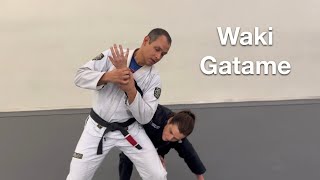
Waki Gatame - when and how to use it.
Robert Silas (Aiki_and_Jiu)
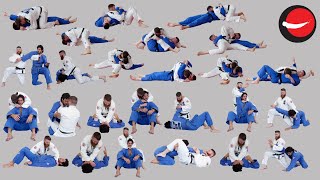
Katame Waza || Grappling Techniques - 32 Holds, Strangles/Chokes and Armlocks
The Judo Way of Life
Waki Gatame - when and how to use it.
Robert Silas (Aiki_and_Jiu)
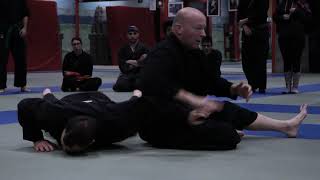
Waki Gatame into Ura Oni Kudaki - Yossi Sheriff in Madrid
AKBAN Ninjutsu – Yossi Sheriff

9 Standing Arm Locks (BREAKS) in Jiu-Jitsu #jujitsu #armlock
TRITAC Martial Arts