Introduction to the Belt & Nelson Breakdown
The Belt & Nelson is a foundational turnover technique executed from the turtle position. Named after Bob Corwin's Yorkville Judo Club methodology, this technique combines a belt grip with an underhook shoulder control to transition the opponent from a stable to vulnerable position.
Understanding Turtle Position Vulnerability
Opponents in turtle position are inherently vulnerable and present immediate opportunities for offensive action. While skilled grapplers should exploit this position quickly, less experienced athletes often remain static, making them susceptible to structured breakdown techniques like the Belt & Nelson.
Positional Angle and Base Setup
The instructor must establish an angled approach rather than positioning directly behind the opponent. By positioning slightly to the left and toward the opponent's right side, the athlete prevents the opponent from spinning out and maintains mechanical advantage throughout the technique.
Belt Grip Execution
The controlling hand grips the opponent's belt with the palm down, arm positioned directly along the opponent's spine. This grip serves as the primary controlling point that pins the opponent's upper body and prevents escape.
Underhook Shoulder Control
The second hand creates an underhook beneath the opponent's shoulder with fingers pointing toward the ceiling. The athlete then clasps their own wrist rather than the belt, creating a tighter seal and reducing the opponent's wiggle room for escape.
Driving the Turnover
Using chest pressure directed underneath the opponent's shoulder, the athlete drives forward and laterally, rotating the opponent onto their back. The grip sequence is maintained throughout the turnover without releasing either the belt or the underhook connection.
Finishing Position: Chest Hold (Monigatami)
Once the opponent is supine, the athlete settles into a chest hold position with wide knees and low hips. The belt grip and underhook are maintained, with the posting hand controlling the opponent's arm and preventing bridge escapes.
Scoring and Match Application
This technique awards points across multiple rulesets: 20 seconds in Judo yields a pin victory, while Freestyle and Sambo rules award four points with submission opportunities. Holding the opponent on their back generates continuous points in timed positions.
Grip Tightness and Technical Refinement
Pulling the thumb back toward the face while maintaining the underhook creates optimal tightness and prevents the opponent from creating escape angles. Positioning the underhook low on the shoulder rather than high on the arm ensures maximum leverage and control.
Universal Application and Effectiveness
The Belt & Nelson technique is effective across all skill levels and grappling disciplines, functioning equally well for white belts and black belts. Its fundamental mechanics make it a reliable primary technique rather than a situational variation.
BELT & NELSON BREAKDOWN TURNOVER
Key Takeaways
- •Introduction to the Belt & Nelson Breakdown
- •Understanding Turtle Position Vulnerability
- •Positional Angle and Base Setup
- •Belt Grip Execution
Here is an effective and simple breakdown/turnover that works at all levels of grappling. What we call the Belt & Nelson is an effective way to get an opponent onto his back in groundfighting and immediately pin him. Go to www.amazon.com or www.ymaa.com to get Steve Scott's books THE JUDO ADVANTAGE, SAMBO ENCYCLOPEDIA and JUJI GATAME ENCYCLOPEDIA. Our channel was started in 2010 as an extension of our program at Welcome Mat. Welcome Mat was founded in 1969 by Steve Scott in Kansas City, Missouri, USA and has produced thousands of successful students, athletes and coaches in a variety of grappling sports. View over a thousand videos on the subjects of judo, freestyle judo, Shingitai Jujitsu, sambo, submission grappling and sport jujitsu are on our Youtube channel. Browse through our playlists to see what we have on our channel. If a video is listed as "private" is it because that video is still in development or scheduled for later viewing. You can subscribe for free to our channel at http://youtube.com/user/welcomematstevescott. We strive to provide fundamentally sound and technically innovative skills and information on a variety of grappling sports. We appreciate your support! Please tell others about our channel. You can help support our channel by going to our online store and purchasing items. Go to http://www.WelcomeMatStore.com. We have a variety of books, shirts and other items for sale. Music for the Freestyle Judo show provided by YouTube Copyright Free Audio featuring "Fiend" by Sting and performed by the Jingle Punks and "All This Down Time" by Sting and performed by the Jingle Punks. Visit our club web site at http://www.WelcomeMatJudoClub. For information on the Judo Black Belt Association, go to http://www.judoblackbelt.com. Thank you for watching our video. Please tell others about our channel. Our videos are all original material and are copyrighted. Reproduction or showing these videos without the specific permission of Steve Scott is prohibited. #belt&nelson #judoturnover #osaekomiwaza
Related Techniques
Frequently Asked Questions
What does this video teach about nelson from turtle?
This video covers introduction to the belt & nelson breakdown, understanding turtle position vulnerability, positional angle and base setup. It provides detailed instruction from welcomematstevescott.
How long does it take to learn nelson from turtle?
The basic mechanics can be understood in a single session, but developing reliable execution requires consistent drilling over weeks of practice. This 10-part breakdown helps structure your training by isolating each phase of the technique.
What are the key details for finishing nelson from turtle?
Pulling the thumb back toward the face while maintaining the underhook creates optimal tightness and prevents the opponent from creating escape angles. Positioning the underhook low on the shoulder rather than high on the arm ensures maximum leverage and control.
Related videos
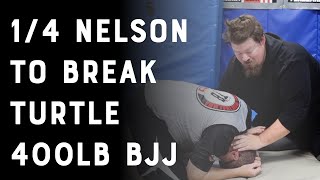
BJJ Turtle Soup 3 | 1/4 Quarter Nelson
BJJ Giant
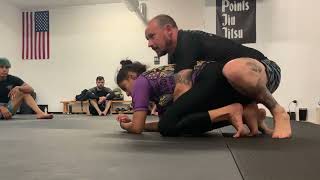
Breaking down the Turtle using the Power Half/half-Nelson
Five Points Jiu Jitsu
Breaking down the Turtle using the Power Half/half-Nelson
Five Points Jiu Jitsu
The Front Headlock | Wrestling Moves
Iron Faith Wrestling
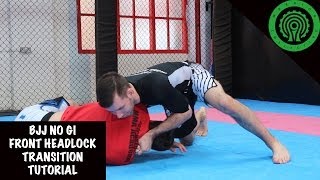
BJJ No Gi Front Headlock into 3/4 Nelson and D'arce Choke Tutorial
Stuart Tomlinson