Introduction to the Scissor Choke
The scissor choke, also known as a leg scissor choke, is a classical catch wrestling hold that serves as a strategic exit option from the Kimura grip. When executed effectively, this technique dramatically increases finishing percentage by forcing the opponent to address multiple threats simultaneously.
Establishing Side Control Position
Begin by securing top side control through the foundational staple position: pin the opponent's wrist, slide the knee over top, and execute a windshield wiper motion to establish the proper angle. Maintain constant downward pressure while scooping the elbow and pulling it inside to achieve the Kimura grip baseline.
The Knee Pinch Setup
The scissor choke setup begins from the knee pinch position around the opponent's head. This positioning is critical because it prevents the opponent from clasping their hands together, which would limit Kimura options. From here, perform a windshield wiper motion beneath the head before transitioning to the scissor setup.
Leg Positioning and Locking Mechanics
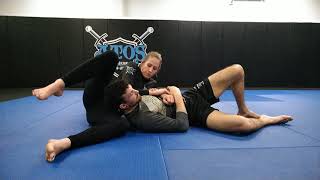
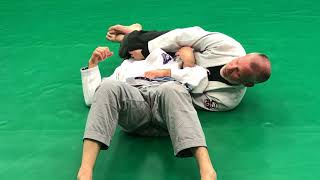
Fall to the side while maintaining the Kimura grip, allowing the opponent's head to rest on the pit of your top knee and bottom knee. Thread the top leg under the bottom ankle—not the reverse—to ensure proper mechanical pressure when extending. This directional lock prevents knee rotation and maximizes choke effectiveness.
Executing the Choke
Extend both legs outward while pinching the knees together, driving the top leg into the opponent's throat. The choke engages rapidly and requires minimal additional pressure. Maintain the Kimura grip throughout the entire sequence to preserve additional finishing options.
Head Position Defense and Counter
The opponent may attempt to defend by turning their head to the side, which shifts pressure to the carotids—a blood choke rather than an air choke—but remains effective. If they turn their chin inward, continue extending and pushing downward to maintain pressure and achieve the finish.
Defending Against the Scissor Choke Escape
The primary defense occurs when the opponent releases their grip and pushes the leg upward. This is why maintaining the Kimura grip throughout is essential—their hand is now undefended, allowing the instructor to extract the arm and access secondary finishing options.
Chaining to Arm Lock Finishes
Once the opponent's hand releases from the Kimura, multiple follow-up options become available: slide into a straight arm lock, transition to a twisting arm lock, or secure the freed hand behind their back and reset. These transitions maintain offensive pressure and prevent defensive regrouping.
Synergistic Technique Integration
The scissor choke and Kimura function as complementary techniques that amplify each other's effectiveness. When the opponent defends the scissor choke, the Kimura becomes available; when defending the Kimura, the scissor choke threat forces commitment elsewhere. This dual-threat approach significantly increases overall finishing rates.
Side Mount Series: The Scissor Choke
Key Takeaways
- •Introduction to the Scissor Choke
- •Establishing Side Control Position
- •The Knee Pinch Setup
- •Leg Positioning and Locking Mechanics
Follow Cheat Code Jiu Jitsu on social media: https://www.facebook.com/Cheat-Code-Jiu-Jitsu-2479604595490997 https://www.instagram.com/cheatcodejj/ If the previous Kimura was the exit option for the failed inverted armlock, this choke is the secret sauce that opens up a whole slew of new options. I picked this up from some catch wrestling stuff, and combining this with a Kimura attack is MONEY. When you apply the choke and keep the Kimura grip in place, you give your opponent a choice: do you want to defend your arm, or do you want to defend your neck? Because it's pretty hard to do both... Your instructional fix isn't satisfied quite yet? Looking to shop instructionals from BJJ Fanatics? Make sure to use this link and get 20% off any purchase, any time: http://bjjfanatics.refr.cc/jeffwhite. Filmed on location at Spectre Jiu Jitsu. Check them out on Facebook: https://www.facebook.com/spectrejiujitsu/ Like what you're seeing? Want to see more of the same? Make sure you wristlock that "Like" button, pin down the "Subscribe" button, and also throat punch the bell icon to get notified every time we upload a new video. Intro Music: Basic Implosion Kevin MacLeod (incompetech.com) Licensed under Creative Commons: By Attribution 3.0 License http://creativecommons.org/licenses/by/3.0/ #cheatcodejj #bjj #nogi
Frequently Asked Questions
What does this video teach about headscissors from side control?
This video covers introduction to the scissor choke, establishing side control position, the knee pinch setup. It provides detailed instruction from Cheat Code Jiu Jitsu.
How long does it take to learn headscissors from side control?
The basic mechanics can be understood in a single session, but developing reliable execution requires consistent drilling over weeks of practice. This 9-part breakdown helps structure your training by isolating each phase of the technique.
What are the key details for finishing headscissors from side control?
Once the opponent's hand releases from the Kimura, multiple follow-up options become available: slide into a straight arm lock, transition to a twisting arm lock, or secure the freed hand behind their back and reset. These transitions maintain offensive pressure and prevent defensive regrouping.