Understanding the Lead Hook's Purpose
The lead hook is a high-impact power shot capable of ending fights decisively. When executed cleanly to the head, it can produce knockout results; when landed to the body, it creates sustained damage throughout the bout. This technique offers significant tactical advantage when properly timed and placed.
Establishing Proper Stance
Correct stance positioning is foundational for the lead hook. In orthodox stance, the right hand serves as the lead hook; southpaw fighters use the left. Proper positioning allows for optimal power generation and defensive integrity throughout the technique.
Execution: Slip, Dip, and Rotate
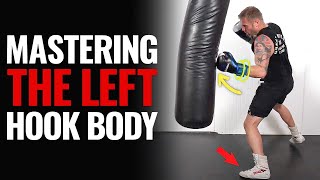
The lead hook begins with a slight slip and dip to the rear, bringing the lead shoulder back to load the shot. As the shoulder rotates forward, the hook is executed with the elbow stopping directly in front of the face. This movement pattern maximizes power while minimizing overextension and exposure.
Hand Positioning and Thumb Orientation
Two thumb positions are viable depending on range: thumb-in (closer range) or thumb-up (longer range). Thumb-up positioning typically generates more power at extended distances. Either method is acceptable based on personal comfort and fighting distance.
Critical Defense: Hand Protection
Maintaining guard hand position during the hook is essential to prevent counter-attacks. Dropping the hand while slipping creates a vulnerability that opponents can exploit with devastating effect. Keeping the non-striking hand tight ensures continuous defensive coverage.
Range-Based Variations
The lead hook employs three distinct variations based on fighting distance. Long-range requires thumb-down rotation to land with the top two knuckles; mid-range uses thumb-in; short-range utilizes thumb-up positioning. Each variation optimizes contact and power delivery at its respective distance.
Setup Strategy: Cross-Hook Combinations
The lead hook is most effective when set up with preceding strikes, particularly the rear cross. A high cross draws defensive hands upward, exposing the body for a low hook; a low cross leaves the head exposed for a high hook. This alternating pattern disrupts opponent defense and creates opening opportunities.
Footwork Considerations for Kickboxing
In kickboxing, excessive foot rotation when throwing the lead hook exposes the legs to kicks. Fighters should maintain a controlled, compact rotation of the pivot foot rather than fully committing the rotation as in pure boxing. This adjustment preserves leg defense while maintaining striking power.
Combination Flow and Rhythm
The lead hook integrates effectively within combination sequences, with opposite-side strikes naturally loading the following technique. Consistent practice of hook combinations—lead hook, rear hook, lead hook—develops timing and transitions. Fighters should maintain control and avoid over-rotation until an opponent is sufficiently compromised.
LEAD HOOK What Does it do? How to Throw a Lead Hook & When to throw a lead hook punch 🥊 🦅
Key Takeaways
- •Understanding the Lead Hook's Purpose
- •Establishing Proper Stance
- •Execution: Slip, Dip, and Rotate
- •Hand Positioning and Thumb Orientation
The lead hook is an amazing tool when used right. However when used wrong it can leave you desperately vulnerable. Rob takes us through why use your lead hook, how to improve your lead hook and drills to help you improve your punch. This video is for anyone looking for the below: How to get more out of your hook Boxing Hook Techniques Boxing Hook Drills Boxing Hook Form Kickboxing hook techniques Kickboxing hook Boxing Hook to the body Boxing Hook Punch technique Rear Hook punch Boxing hook defence Boxing Hook Power Kickboxing Punch Boxing Hook techniques Knockout punch Boxing tips for beginners Boxing Training Kickboxing training Common mistakes in boxing Boxing basics Delivered by Pro Fighter Rob Zab & powered by Valour Strike we want to help you improve your cross punch today. Eagle Mentality. @Valour Strike Passionately supporting combat sports journeys Top tips that can help anyones development, especially those starting off at home on the bag. Our dream is to be part of your journey. Please subscribe to the channel to help support us, to support others, to get more out of combat sports training. For Boxing, Kickboxing, Muay Thai, Thai Boxing , MMA, Karate, Jiu-Jitsu, Muay Thai, Taekwondo, Personal Protection, Boxercise, Body Combat, Aikido, Martial Arts, & generally anyone that wants to improve on their combat sports journey.
Related Techniques
Frequently Asked Questions
What does this video teach about lead hook to body?
This video covers understanding the lead hook's purpose, establishing proper stance, execution: slip, dip, and rotate. It provides detailed instruction from Valour Strike.
How long does it take to learn lead hook to body?
The basic mechanics can be understood in a single session, but developing reliable execution requires consistent drilling over weeks of practice. This 9-part breakdown helps structure your training by isolating each phase of the technique.
What are the key details for finishing lead hook to body?
In kickboxing, excessive foot rotation when throwing the lead hook exposes the legs to kicks. Fighters should maintain a controlled, compact rotation of the pivot foot rather than fully committing the rotation as in pure boxing. This adjustment preserves leg defense while maintaining striking power.
Related videos

Master the Lead Hook to Body + Tricks to Land It
Coach Pillow Fists
*Secret* Tips For Throwing A Perfect Hook To The Body
Tony Jeffries

TECHNIQUE OF THE SHOVEL HOOK
PRIDE MARTIAL ARTS

Smokin Joe Frazier's Terrifying Hook & Head Movement Explained - Technique Breakdown
The Modern Martial Artist
Smokin Joe Frazier's Terrifying Hook & Head Movement Explained - Technique Breakdown
The Modern Martial Artist