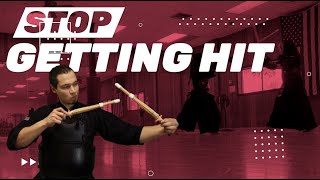
Understanding Shikake Waza as Mindset
Shikake waza transcends individual techniques like kote or mendo—it represents a foundational mindset centered on taking the initiative. Rather than executing techniques in isolation, practitioners must develop the psychological and tactical framework that enables high-level kendo performance.
Initiative Through Pressure, Not Speed
Taking the initiative does not require being the first to physically engage, but rather the first to establish psychological and tactical pressure on an opponent. Pressure originates from intent and manifests through deliberate body movement, positioning, and mental projection, forcing the opponent into reactive states that create exploitable opportunities.
Building Pressure in All Practice Contexts
Pressure development extends beyond jigeiko into kihon practice and solo training at home. Practitioners must focus on pre-technique setup—distance management, postural adjustments, and subtle positional shifts—rather than fixating solely on strike execution.
Reading and Anticipating Opponent Reactions
Understanding opponent behavior—flinches, retreats, or premature attacks—enables tactical adaptation. By consistently applying pressure, practitioners become predictors of reaction patterns, transforming reactive sequences into anticipated responses that inform optimal striking timing.
Recognizing Target Openings
Practitioners should learn fundamental opening patterns: raised shinai tips expose kote, centerline breaks reveal men, retreating steps or lowered guards expose suki, and raised hands expose throat. However, the objective is not waiting for openings but anticipating them through visualization and mental preparation.
Committing to Attack with Intuitive Trust
Rather than overthinking tactical decisions during jigeiko, practitioners must cultivate intuitive response through committed practice. Mistakes during pressure-based attacks provide essential feedback for refining pressure application, timing, and technique selection in future engagements.
Establishing Optimal Kamae Position
The foundation for pressure-to-attack transitions begins with discovering a kamae position where movement feels simultaneously instant and relaxed. This requires engaged posterior leg mechanics and shinai readiness without excess tension, enabling smooth transitions from stance into technique.
Controlled Distance Closure Practice
Practitioners should practice advancing through controlled stepping while maintaining posterior leg engagement and readiness. This technique allows seamless transitions to striking if an opponent commits to forward attack, preventing momentum from dictating technique execution.
Shikake waza made simple: the key to kendo and winning
Key Takeaways
- •Understanding Shikake Waza as Mindset
- •Initiative Through Pressure, Not Speed
- •Building Pressure in All Practice Contexts
- •Reading and Anticipating Opponent Reactions
#kendo #剣道 [he concept of Shikake Waza, emphasizing it as a mindset rather than just a technique. He discusses the importance of creating pressure, understanding timing, and anticipating openings in Kendo. The conversation also covers practical tips for practicing at home to build a connection between pressure and attack, and highlights the role of Tame in enhancing Kendo skills.] Improve your kendo and your basics here: https://www.youtube.com/playlist?list=PLGpbTT0SLh2rH2U4kV3To1y9W6ZEVCz9W Want to meet more kendoka around the world or reach out to me, a good way is joining the Kendo Tips Discord Server: https://discord.gg/x5rBSZHnx3 00:00 - Understanding Shikake Waza: The Mindset of Attack 01:18 - Thinking About Pressure 03:04 - Creating Pressure: Techniques and Timing 05:57 - Practicing at Home: Building Connection and Control 07:51 - The Role of Tame in High-Level Kendo
Related Techniques
Frequently Asked Questions
What does this video teach about shikake waza?
This video covers understanding shikake waza as mindset, initiative through pressure, not speed, building pressure in all practice contexts. It provides detailed instruction from Kendo Tips.
How long does it take to learn shikake waza?
The basic mechanics can be understood in a single session, but developing reliable execution requires consistent drilling over weeks of practice. This 8-part breakdown helps structure your training by isolating each phase of the technique.
What are the key details for finishing shikake waza?
The foundation for pressure-to-attack transitions begins with discovering a kamae position where movement feels simultaneously instant and relaxed. This requires engaged posterior leg mechanics and shinai readiness without excess tension, enabling smooth transitions from stance into technique.