Understanding Shikake and Oji Waza
Kendo fundamentally divides into two categories: Shikake Waza (initiating techniques) and Oji Waza (responding techniques). Mastering Shikake Waza is essential for developing effective Oji Waza, as it teaches practitioners to recognize openings and anticipate opponent reactions. This guide explores the foundational principles linking these two approaches and provides practical drills for transitioning between them.
Foundation: Building Strong Shikake Practice
Practitioners must first establish solid Shikake Waza fundamentals before advancing to Oji Waza. During Shikake training, students learn not merely how to strike, but how to identify genuine openings and elicit appropriate reactions from their opponent. This develops the critical skill of timing technique execution to the precise moment when an opening presents itself, rather than attacking randomly or waiting passively.
Maintaining Continuous Pressure
The cornerstone of effective Oji Waza is learning to maintain constant forward pressure on the opponent. Rather than stepping forward and committing blindly, or stepping forward then waiting for an opening, practitioners must keep pressure sustained throughout their approach. This controlled advancement, achieved by engaging the back leg while moving forward, allows practitioners to transition into techniques naturally without sacrificing intent or control.
Observing and Reacting to Opponent Response
Successful Oji Waza requires reading the opponent's reaction to applied pressure. Practitioners should maintain awareness of their opponent's shinai and body movements while advancing, observing how the opponent responds rather than imposing a predetermined technique. This observation phase directly translates to Oji Waza, where practitioners must anticipate the opponent's decision to move and execute their counter-technique at that critical moment.
Degashira Men as Shikake Foundation
Degashira Men serves as an excellent Shikake technique for developing Oji Waza competency. By drilling this initiating technique with focused timing and pressure awareness, practitioners build the muscle memory and anticipatory skills necessary for effective response techniques. The progression from attacking into degashira men while the opponent approaches directly transfers to recognizing and countering similar entries in actual sparring.
Drill Progression: Static to Dynamic
The training methodology advances through three progressive stages: first, attacking as the opponent approaches while maintaining engaged kamae; second, stepping toward the opponent and attacking as they counter; and third, executing techniques as the opponent initiates their own attack. Each stage increases complexity, requiring practitioners to adjust distance, timing, and step length accordingly while maintaining proper form and target accuracy.
Anticipating Movement Intention
Advanced Oji Waza execution requires reading the opponent's decision to move rather than reacting to visible movement. Practitioners should aim to catch the moment the opponent commits to their technique, striking before they have fully initiated their attack. This level of anticipation develops through progressive drills where partner timing and distance vary unpredictably, forcing practitioners to refine their sensitivity to opponent intent.
Adjusting Distance and Step Length
As opponents increase speed and pressure, practitioners must proportionally reduce their step length and adjust their approach distance. Shorter, more controlled steps allow for precise timing and proper striking angles against a moving target. Progressive drill work with variable partner timing and distance teaches practitioners to calibrate their footwork instinctively, ensuring effective technique execution regardless of opponent approach speed.
Shikake vs Oji Waza: Kendo tips to stop getting hit
Key Takeaways
- •Understanding Shikake and Oji Waza
- •Foundation: Building Strong Shikake Practice
- •Maintaining Continuous Pressure
- •Observing and Reacting to Opponent Response
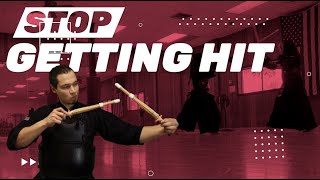
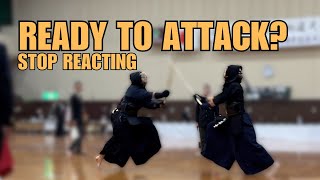
#kendo #剣道 #samurai When doing Oji waza in kendo many people become reactive and this is why they often get hit. Here you will learn to use shikake waza (attacking) to stop getting hit when countering and improve your timing in Kendo. I go over some Basic and advance Kendo concepts within Debana Men (shikake Waza) to help you understand and Improve your Oji Waza. Increase your chances of performing a successful counter attack in Kendo Join this channel to get access to perks: https://www.youtube.com/channel/UCK7PQA301fEMmOuBUjjGYZw/join =================================================================== Join the Discord: https://discord.gg/zB4YuHcfam If you want to support this channel: https://merch.streamelements.com/kendotips https://streamelements.com/kendotips/tip =================================================================== This is my favorite kendo book: https://amzn.to/3aVk54R Now you can get shinai with Amazon Price: https://amzn.to/3jr9wZM =================================================================== Kendo Basics Playlist: https://www.youtube.com/playlist?list=PLGpbTT0SLh2rH2U4kV3To1y9W6ZEVCz9W =================================================================== About the music: Dance With Me by Ehrling @ehrling Music provided by Free Music for Vlogs youtu.be/pLKxkhtyqN8 =========================================================== stream beats from Harris Heller
Related Techniques
Frequently Asked Questions
What does this video teach about oji waza?
This video covers understanding shikake and oji waza, foundation: building strong shikake practice, maintaining continuous pressure. It provides detailed instruction from Kendo Tips.
How long does it take to learn oji waza?
The basic mechanics can be understood in a single session, but developing reliable execution requires consistent drilling over weeks of practice. This 8-part breakdown helps structure your training by isolating each phase of the technique.
What are the key details for finishing oji waza?
Advanced Oji Waza execution requires reading the opponent's decision to move rather than reacting to visible movement. Practitioners should aim to catch the moment the opponent commits to their technique, striking before they have fully initiated their attack. This level of anticipation develops through progressive drills where partner timing and distance vary unpredictably, forcing practitioners to refine their sensitivity to opponent intent.