Establishing the Head-and-Arm Control Grip
The foundational grip for the half stack pass requires precise hand placement to control both the opponent's head and arm. A common mistake is gripping too tightly around the neck, which can result in the opponent securing a headlock and reversing into a back-take position. Practitioners must ensure the grip is firm but positioned correctly on the head and upper arm.
Neutralizing the Opponent's Knee Position
When the opponent's knee points toward the ceiling, the passer cannot effectively position their foot on the thigh. The solution is to walk sideways on the knees, using the inside of the leg to drag the opponent's knee down to the mat, creating a flatter base of control. This lateral movement prevents the opponent from establishing a tight position that could lead to closed guard.
Foot Placement on the Thigh
Once the opponent's knee is flattened, the passer brings their foot high and drives it into the opponent's thigh. For grip security, the passer can either punch the sole of the foot directly into the thigh or insert the toes into the back of the opponent's knee. The toe insertion provides easier application, though sole-to-thigh contact generates more power when executed correctly.
Transitioning to Side Control
The passer walks their foot free while keeping the opponent's leg controlled, positioning their knee to extend past one of the opponent's hips. Once the knee peeks out beyond the hip line, the passer can establish a stable side control position with the head-and-arm control maintained. This transition must be performed smoothly to prevent the opponent from recovering guard.
Maintaining Pressure Without Overcommitting
In side control, the passer must avoid leaning too far forward, as this allows the opponent to bridge and reverse the position. Instead, the passer sits back on their buttocks to create heavy base weight while keeping the head tight and close to the hands. Remaining patient for five to ten seconds allows the opponent to exhaust their escape attempts before advancing to the next phase.
Advancing to Mount Position
To transition from side control to mount, the passer widens their elbow for stability and slides their knee across the opponent's hip. Once the knee contacts the mat on the opposite side, the passer drives their foot to the mat and tucks it under the opponent's buttocks to secure the mount. This movement must be executed with control to prevent the opponent from escaping before the mount is fully established.
Defending the Mount Against Bridge Reversals
Once in mount position, the passer should expect the opponent to attempt a bridge reversal. The passer must be willing to release the head-and-arm control and post a hand on the mat to maintain top position, as staying mounted is more valuable than losing position while chasing the grip. The passer can reestablish head-and-arm control later from a secure mounted position.
Key Principles and Training Application
The half stack pass succeeds through controlled progression: establishing the grip, flattening the opponent's base, securing foot placement on the thigh, settling into side control, and advancing to mount. Practitioners should prioritize maintaining positional dominance over maintaining individual grips when forced to choose. Adding this sequence into regular drilling allows practitioners to develop timing and pressure needed for consistent execution.
Half guard passing: Passing with head-and-arm control - Get to mount without getting reversed
Key Takeaways
- •Establishing the Head-and-Arm Control Grip
- •Neutralizing the Opponent's Knee Position
- •Foot Placement on the Thigh
- •Transitioning to Side Control
In this video, I cover how to finish the standard crossface and underhook guard pass into a stable side control. From side control, I explain how to mount while negating the risk of getting rolled over in the transition. I highly recommend this method for beginner/intermediate grapplers who are looking to compete, and are looking for a safe way to rack up points while staying safe from reversals.
Frequently Asked Questions
What does this video teach about half stack pass?
This video covers establishing the head-and-arm control grip, neutralizing the opponent's knee position, foot placement on the thigh. It provides detailed instruction from Mads H. BJJ.
How long does it take to learn half stack pass?
The basic mechanics can be understood in a single session, but developing reliable execution requires consistent drilling over weeks of practice. This 8-part breakdown helps structure your training by isolating each phase of the technique.
What are the key details for finishing half stack pass?
Once in mount position, the passer should expect the opponent to attempt a bridge reversal. The passer must be willing to release the head-and-arm control and post a hand on the mat to maintain top position, as staying mounted is more valuable than losing position while chasing the grip. The passer can reestablish head-and-arm control later from a secure mounted position.
Related videos
Stack Pass by Andre Galvao
Bernardo Faria BJJ Fanatics
Stack Pass: Knee Slide Entry from Double Unders
Peak Jiu-Jitsu
Atos Online Tech Teaser - 2 Variations of the Stack Pass - Prof. Andre Galvao
Atos Jiu-Jitsu HQ | World's Best BJJ Academy - Home Page
BASIC IS KING Roger Gracie style half guard pass #nogi #mma
Dima Murovanni Bjj
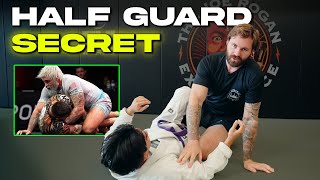
Gordon Ryan's Secret to Passing Half Guard in BJJ | From Blue Belt to ADCC Champions
Gordon Ryan