Wrestling for MMA: Split Step Takedown Entries
0
Push Away Takedown Defense·The Fight Site
The split step is one of the fastest and most convenient ways to enter a takedown in MMA. I look at how it works, why it…
Translation: push away takedown defense
MMA takedown technique. [1]
Core MMA takedown. [1]
MMA wrestling methodology. [1]
Used in UFC and professional MMA competition
No images yet for this technique.
Sign in to suggest an image.
The split step is one of the fastest and most convenient ways to enter a takedown in MMA. I look at how it works, why it…
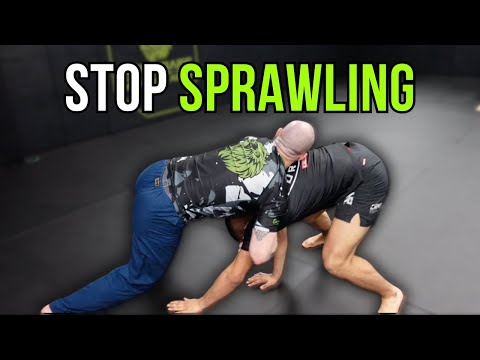
We discuss how to shut down takedowns using a hip check rather than sprawling. Instagram: @ davidheineman90 Sponsors…
Push-away takedown defense in MMA employs distinct tactical approaches depending on distance and positioning. Stay Safe Martial Arts emphasizes the hip check as a superior alternative to the traditional sprawl, particularly in close-quarters engagements. The hip check allows defenders to remain upright by shifting the hips into the incoming opponent while maintaining a strong base on the posting foot, enabling immediate follow-up options such as the wizard grip or head control. This method contrasts with sprawling, which often results in ground engagement and subsequent positional struggles. Stay Safe Martial Arts notes that hip checking is particularly valuable for sport combat and law enforcement applications, as it prevents the defender from being driven backward and compromises the attacker's ability to control the legs. Conversely, The Fight Site addresses takedown defense from the entry perspective, explaining that successful defense begins before hip contact occurs. The split step—a simultaneous level change and forward penetration—represents a critical offensive entry mechanism used by elite wrestlers like Khabib Nurmagomedov. While The Fight Site does not directly address defensive counters, understanding split step mechanics illuminates why positional adjustments like those advocated by Stay Safe Martial Arts prove effective; the hip check disrupts the momentum transfer that split steps and other penetrating entries rely upon. Both instructors agree that footwork and hip position fundamentally determine takedown success or failure.
Synthesized from 2 instructors
No instructional courses yet for this technique.
Sign in to suggest a course.
Risk of injury to the person this technique is applied to
Takedown technique
Skill level needed to execute this technique reliably
Whether this technique is allowed under major competition rule sets
Mixed Martial Arts: The Book of Knowledge (Penn, Cordoza & Krauss, 2007)
description, historyOrigin: sourced from Penn, B
description, historyOrigin: sourced from Penn, B
Explosive legs
Good base
Pushing the opponent away during a takedown attempt — using frames on the head and shoulders to create distance. The simplest takedown defense — create space and disengage. Used when the opponent's shot is too deep for a sprawl. (Wrestling coaching manuals; MMA training guides)
A split step lets you get low and drive forward at the same time without killing your momentum, and it's the fastest way to transition from an upright striking stance into a low athletic shooting posture. According to The Fight Site, the split step also doubles as a striking defense, making it harder for your opponent to counter.
Yes. According to Stay Safe Martial Arts, sprawling can compromise your position by putting you on the ground regardless. There are alternative defense methods that allow you to stay on your feet and control the engagement on your own terms rather than simply reacting with a sprawl.
The Push Away Takedown Defense uses both hands to push the opponent's shoulders away during a takedown attempt, creating distance to sprawl or re-establish striking range.
MMA takedown technique.
IJF: legal — Legal takedown technique; IBJJF: legal — Legal at all belt levels, scored as takedown (2 points); UWW: legal — Legal in freestyle, may be restricted in Greco-Roman depending on technique; Unified MMA: legal — Legal takedown technique; ADCC: legal — Legal, scored 2-4 points in second half of match; FIAS Sport Sambo: legal — Legal — all takedowns permitted; FIAS Combat Sambo: legal — Legal; NCAA Folkstyle: legal — Legal, scored as takedown (2 points)
Danger rating 4/10. Takedown technique
The standard setup chain: Strike → Level change → Push Away Takedown Defense.
Standard counters include: Sprawl / Whizzer / Underhook.
Common variants: Standard Push Away Takedown Defense.
Used in UFC and professional MMA competition
Top errors to watch for: Poor level change / Over-extending.
The Push Away Takedown Defense is also known as Push Away Takedown Defense, Push Defense, Stiff Arm Defense.