Turtle Collapse Headscissors

Variety

ヘッドシザーズ(Heddo Shizāzu)

Transliteration

Translation: Head Scissors (katakana loanword)

Overview

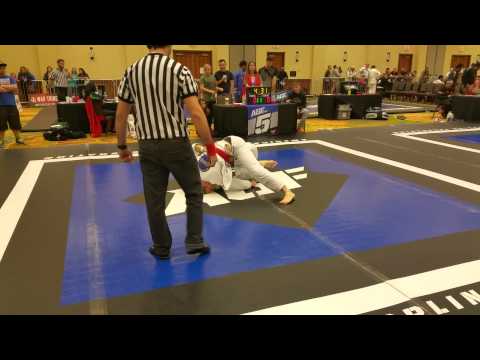
The turtle collapse headscissors attacks a turtled opponent by collapsing their defensive shell and trapping the head between the attacker's legs. [1] The attacker, positioned behind or to the side of the turtle, works to flatten the opponent by driving weight onto their back, then threads the legs around the exposed head as the turtle collapses. [1],[2] Once the head is trapped, the attacker squeezes the thighs together, using the collapsed posture to prevent the opponent from re-establishing the turtle or escaping. [2] The turtle collapse sequence requires patient pressure application to break down the defensive posture before the headscissors can be applied. [2],[3]

Also known as
Turtle Collapse Scissor Choke[1]Rolling Kubi-basami[2]

History & Origin

Anti-turtle headscissors techniques developed in judo and wrestling, where the turtle position was a common defensive response to attacks. [1] BJJ competitors adopted and refined these techniques during the 2000s as turtle defence became increasingly sophisticated in competition. [2],[3]

Effectiveness

Effective when the opponent turtles and the attacker can secure head-and-leg control; the collapse creates a window to lock the scissors [1]

Lineage

A turtle attack found in catch wrestling and freestyle wrestling-influenced grappling; adapted to no-gi submission grappling [1]

Competition Record

Rare at major competition; more common in catch wrestling and submission-only events where turtle attacks are prioritized [1]

Images

No images yet for this technique.

Sign in to suggest an image.

Biomechanical Mechanism

Primary ActionCompression of the neck structures — restricts blood flow or airway depending on technique application
Joints InvolvedCervical spine, surrounding musculature, and vascular structures of the neck
Force VectorDirected compression against the neck from the choking limb or body position
Finishing MechanicSustained pressure causes either vascular occlusion (unconsciousness) or tracheal restriction (breathing difficulty)

Position & Entry

From back control with seatbeltEstablish hooks or body triangle, slide choking arm under the chin, connect hands and squeeze
From turtle top (back take)Break down the turtle, insert hooks, secure seatbelt grip, slide to back control and apply the choke
From standing back clinchSecure rear body lock, drag opponent to the mat while inserting hooks, transition to choking position

Variants

Standard grip variationprimary hand configuration for maximum choking pressure
Gi variationuses the lapel or collar as an anchor for additional friction and control
No-gi variationadapted grip and positioning for submission grappling without the gi
Transition finishapplied during a positional change to catch the opponent off-guard

Videos

No videos yet

Help build this encyclopedia by suggesting a relevant video.

Sign in to suggest a video.

Learn This Technique

No instructional courses yet for this technique.

Sign in to suggest a course.

Ratings

Danger Rating

Risk of injury to the person this technique is applied to

7
Very High7/10

Headscissors use the thighs to squeeze the head laterally; risk of neck strain

Difficulty

Skill level needed to execute this technique reliably

Intermediate
Competition Legality

Whether this technique is allowed under major competition rule sets

Illegal
FIAS Sport Sambo — All chokes prohibited in Sport Sambo
FIAS International Sambo Competition RulesPDF
Legal
IBJJF — Legal at all belt levels, gi and no-gi — chokes a...
IBJJF Rules Book v6.0, June 2024PDF
ADCC — Legal
ADCC Rules Update, April 2025PDF
Unified MMA — Legal — choke submissions are among the mos...
Unified Rules of MMA, August 2025PDF
FIAS Combat Sambo — Legal
FIAS Combat Sambo RulesPDF

Training Notes

The turtle-collapse headscissors breaks down the turtled opponent into a prone or side position while capturing the head in a headscissors — the collapse and the submission happen simultaneously (Danaher, Pin Escapes and Turtle Turns: BJJ Fundamentals, 2019)
Against the turtle: approach from the side, thread one leg under the opponent's neck and the other over — then collapse the turtle by driving your weight into their side while closing the headscissors
The collapse is essential: the turtle position protects the neck with the tucked chin and rounded posture — collapsing the turtle extends the opponent's body, exposing the neck for the scissors
The turtle-collapse uses the legs as both a control and submission tool: the legs break the turtle while the thighs compress the neck — a single-motion attack
Entry: from beside the turtled opponent, hook one leg under the chin/neck area while the other leg crosses over the back of the head — then roll the opponent onto their side while locking the figure-four
The turtle-collapse headscissors is an alternative to back takes and crucifix from turtle: when hook insertion is difficult, the leg-over-the-head approach provides a different attack angle
The technique requires timing: the legs must be positioned before or during the collapse; attempting to insert legs after the opponent has already flattened is more difficult

Common Mistakes

!Attempting to insert legs against a tight turtle — the head must be accessible; use side pressure or snap-downs to open the turtle before threading legs
!Not collapsing the turtle — the headscissors alone may not work against a well-rounded turtle; the collapse extends the opponent and exposes the neck
!Threading from directly behind — approach from the side for better leg access; from behind, the neck is protected by the tuck
!Not locking the figure-four during the collapse — lock simultaneously with the collapse; waiting until after the collapse may miss the window
!Losing position during the collapse — maintain body contact and weight throughout; a poorly executed collapse lets the opponent recover turtle
!Not squeezing immediately after the collapse — the collapse creates the moment of vulnerability; squeeze before the opponent can re-turtle or recover
!Attempting without upper body control — one hand should control the near arm or far shoulder while the legs work; unassisted leg attacks are easier to defend

Related Techniques

Counter Techniques

Setup Chain

1Establish Positionachieve the controlling position needed for this submission
2Create the Threatbegin the submission setup to force a defensive reaction
3Secure the Holdlock the submission grip with proper body mechanics
4Finishapply increasing pressure until the opponent taps or the joint/choke takes effect

Sources & References

Primary Source

Japanese grappling/BJJ standard terminology; JBJJF competition usage

Official Japanese BJJ federation — competition rules and terminology

2OtherJapanese Combat Sports Katakana Convention

Standard katakana transliteration of Western martial arts terminology (外来語) — used in Japanese MMA, boxing, and BJJ communities

3CitationJapanese grappling/BJJ standard terminology; JBJJF competition usage

Japanese terminology sourced from Japanese grappling/BJJ standard terminology; JBJJF competition usage

Community

Athletics

Requires

grip or squeeze strength, positional control

Favours

strong upper body for sustained compression

Key muscles

forearms, biceps, pectorals, core stabilisers

Frequently Asked Questions

How does the Turtle Collapse Headscissors work?

The turtle collapse headscissors attacks a turtled opponent by collapsing their defensive shell and trapping the head between the attacker's legs. The attacker, positioned behind or to the side of the turtle, works to flatten the opponent by driving weight onto their back, then threads the legs around the exposed head as the turtle collapses.

Where does the Turtle Collapse Headscissors come from?

Anti-turtle headscissors techniques developed in judo and wrestling, where the turtle position was a common defensive response to attacks. BJJ competitors adopted and refined these techniques during the 2000s as turtle defence became increasingly sophisticated in competition.

Is the Turtle Collapse Headscissors legal in competition?

IBJJF: legal — Legal at all belt levels, gi and no-gi — chokes are the safest submission cat…; IJF: legal — Legal (shime-waza) — strangulation techniques are one of three permitted subm…; ADCC: legal — Legal; Unified MMA: legal — Legal — choke submissions are among the most common finishes in MMA; FIAS Sport Sambo: banned — All chokes prohibited in Sport Sambo; FIAS Combat Sambo: legal — Legal

How dangerous is the Turtle Collapse Headscissors?

Danger rating 7/10. Headscissors use the thighs to squeeze the head laterally; risk of neck strain

How do I set up the Turtle Collapse Headscissors?

The standard setup chain: Establish Position → Create the Threat → Secure the Hold → Finish.

How do I defend against the Turtle Collapse Headscissors?

Standard counters include: Early Recognition — identify the submission attempt early and begin defence immediately / Posture and Base — maintain strong posture and base to prevent submission setups / Grip Fight — deny the attacker their preferred gripping configuration.

What are the variants of the Turtle Collapse Headscissors?

Common variants: Standard grip variation (primary hand configuration for maximum choking pressure); Gi variation (uses the lapel or collar as an anchor for additional fric…); No-gi variation (adapted grip and positioning for submission grappling wit…); Transition finish (applied during a positional change to catch the opponent …).

How effective is the Turtle Collapse Headscissors in competition?

Rare at major competition; more common in catch wrestling and submission-only events where turtle attacks are prioritized

What are common mistakes when doing the Turtle Collapse Headscissors?

Top errors to watch for: Attempting to insert legs against a tight turtle — the head must be accessible; use side pressure or snap-downs to op… / Not collapsing the turtle — the headscissors alone may not work against a well-rounded turtle; the collapse extends t… / Threading from directly behind — approach from the side for better leg access; from behind, the neck is protected by … / Not locking the figure-four during the collapse — lock simultaneously with the collapse; waiting until after the coll….

What are other names for the Turtle Collapse Headscissors?

The Turtle Collapse Headscissors is also known as Heddo Shizāzu, Turtle Collapse Scissor Choke, Rolling Kubi-basami.