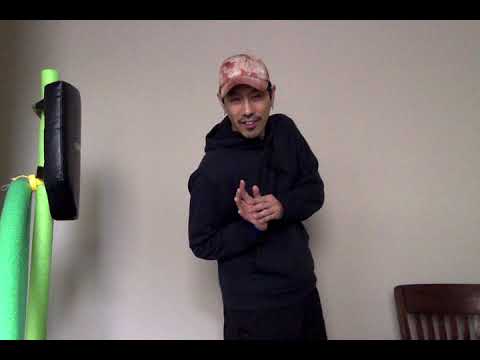
open hand strikes Filipino martial arts
0
Fundamental Open Hand Strike·wmpyr
After putting in a couple of months worth of some hard testing on the punching bag.
Translation: fundamental open hand strike
The Fundamental Open Hand Strike family covers striking techniques delivered with an open hand rather than a closed fist — including palm strikes, knife-hand strikes (shuto/chop), ridge-hand strikes, and hammer-edge strikes that appear across karate, kung fu, Krav Maga, and other martial arts. [1] Open-hand strikes offer several advantages over closed-fist punches: they significantly reduce the risk of hand injuries (broken metacarpals, boxer's fractures), they can effectively target soft tissue areas (throat, eyes, ears), and the palm heel provides a broad, hard striking surface backed by the wrist and forearm bones. [1],[2] In self-defence systems like Krav Maga, palm strikes are preferred over punches because they are effective without wrapping or gloves and can be delivered by untrained individuals with less risk of self-injury. [2],[3] The knife-hand strike (shuto uchi/karate chop) became one of the most iconic martial arts techniques in popular culture. [3]
Open-hand striking techniques are among the oldest documented combat techniques, appearing in virtually every martial arts tradition worldwide. [1] Karate formalised knife-hand techniques (shuto/haito) as part of its core curriculum, with the 'karate chop' becoming one of the most recognised martial arts techniques in global popular culture. [1],[2] Chinese martial arts developed an extraordinarily diverse array of open-hand formations (tiger claw, crane beak, iron palm) across hundreds of styles. [2],[3] Modern self-defence systems like Krav Maga adopted the palm strike as their primary striking technique due to its safety and effectiveness for untrained practitioners. [3]
Open-hand strikes are highly effective for self-defence and specific combat sport applications. [1] The palm strike is recommended by most self-defence experts over the punch because it generates comparable force with significantly less risk of hand injury. [2] In MMA, ground-and-pound palm strikes reduce the risk of broken hands that have derailed many fighters' careers. [3]
No images yet for this technique.
Sign in to suggest an image.
After putting in a couple of months worth of some hard testing on the punching bag.
No instructional courses yet for this technique.
Sign in to suggest a course.
Risk of injury to the person this technique is applied to
Open-hand strikes carry less self-injury risk than closed-fist punches but can still cause significant damage to the target; knife-hand strikes to the throat are potentially lethal; palm strikes to the nose can cause concussions
Skill level needed to execute this technique reliably
Whether this technique is allowed under major competition rule sets
Dynamic Karate (Masatoshi Nakayama, 1966)
Description sources — [1] Dynamic Karate (Nakayama, 1966) on shuto and haito [2] Krav Maga self-defence curricula [3] Popular culture impact of karate chop
History sources — [1] Okinawan karate traditions [2] Chinese martial arts open-hand systems [3] Modern self-defence system development
Description sources — [1] Dynamic Karate (Nakayama, 1966) on shuto and haito [2] Krav Maga self-defence curricula [3] Popular culture impact of karate chop
History sources — [1] Okinawan karate traditions [2] Chinese martial arts open-hand systems [3] Modern self-defence system development
wrist strength and alignment, hand conditioning for knife-hand, hip rotation
strong wrists, conditioned hands (for edge-of-hand strikes), good aim (soft tissue targeting)
forearms (wrist stability), shoulders (driving the hand), hip rotators (power generation), finger flexors (maintaining finger formation)
Every move, in any martial art, shares a few universal traits. Mix and match below to pinpoint the right tool — or compare equivalents across styles.
Shotei Chudan Uchi (Palm Heel Middle Strike) is a Kyokushin Karate palm heel strike to the midsection, using the base of the palm to deliver impact to the solar plexus or ribs. [1] Mas Oyama, founder of Kyokushin Karate, demonstrated this as a fundamental combat technique requiring proper body mechanics and spirit. [1] The technique emphasises full-body power generation through hip rotation and proper weight transfer. [1]
Shuto Hizo Uchi (Knife-Hand Spleen Strike) is a Kyokushin Karate knife-hand strike to the spleen/liver area, using the blade of the hand horizontally. [1] Mas Oyama, founder of Kyokushin Karate, demonstrated this as a fundamental combat technique requiring proper body mechanics and spirit. [1] The technique emphasises full-body power generation through hip rotation and proper weight transfer. [1]
Shuto Jodan Uchi Uchi (High Inside Knife-Hand Strike) is a Kyokushin Karate high-level inside knife-hand strike targeting the temple or side of the neck. [1] Mas Oyama, founder of Kyokushin Karate, demonstrated this as a fundamental combat technique requiring proper body mechanics and spirit. [1] The technique emphasises full-body power generation through hip rotation and proper weight transfer. [1]
Shuto Sakotsu Uchi (Knife-Hand Collarbone Strike) is a Kyokushin Karate knife-hand strike targeting the collarbone (sakotsu), using the outer edge of the hand to strike downward. [1] Mas Oyama, founder of Kyokushin Karate, demonstrated this as a fundamental combat technique requiring proper body mechanics and spirit. [1] The technique emphasises full-body power generation through hip rotation and proper weight transfer. [1]
Shuto Sakotsu Uchikomi (Knife-Hand Collarbone Driving Strike) is a Kyokushin Karate driving knife-hand strike to the collarbone with forward body momentum, penetrating deeper than the standard version. [1] Mas Oyama, founder of Kyokushin Karate, demonstrated this as a fundamental combat technique requiring proper body mechanics and spirit. [1] The technique emphasises full-body power generation through hip rotation and proper weight transfer. [1]
Shuto Uchi Uchi (Inside Knife-Hand Strike) is a Kyokushin Karate knife-hand strike delivered inward from the outside, targeting the neck or temple. [1] Mas Oyama, founder of Kyokushin Karate, demonstrated this as a fundamental combat technique requiring proper body mechanics and spirit. [1] The technique emphasises full-body power generation through hip rotation and proper weight transfer. [1]
Tettsui Hizo Uchi (Hammer Fist Spleen Strike) is a Kyokushin Karate hammer fist strike targeting the spleen/liver area. [1] Mas Oyama, founder of Kyokushin Karate, demonstrated this as a fundamental combat technique requiring proper body mechanics and spirit. [1] The technique emphasises full-body power generation through hip rotation and proper weight transfer. [1]
Tettsui Komekami Uchi (Hammer Fist Temple Strike) is a Kyokushin Karate hammer fist strike targeting the temple (komekami). [1] Mas Oyama, founder of Kyokushin Karate, demonstrated this as a fundamental combat technique requiring proper body mechanics and spirit. [1] The technique emphasises full-body power generation through hip rotation and proper weight transfer. [1]
Tettsui Oroshi Uchi (Descending Hammer Fist Strike) is a Kyokushin Karate downward hammer fist strike using the bottom of the fist, targeting the crown of the head, collarbone, or bridge of the nose. [1] Mas Oyama, founder of Kyokushin Karate, demonstrated this as a fundamental combat technique requiring proper body mechanics and spirit. [1] The technique emphasises full-body power generation through hip rotation and proper weight transfer. [1]
Uraken Hizo Uchi (Spleen Backfist Strike) is a Kyokushin Karate backfist strike directed to the spleen/liver area on the side of the body. [1] Mas Oyama, founder of Kyokushin Karate, demonstrated this as a fundamental combat technique requiring proper body mechanics and spirit. [1] The technique emphasises full-body power generation through hip rotation and proper weight transfer. [1]
Uraken Oroshi Uchi (Descending Backfist Strike) is a Kyokushin Karate downward backfist strike delivered from overhead, targeting the bridge of the nose or top of the head. [1] Mas Oyama, founder of Kyokushin Karate, demonstrated this as a fundamental combat technique requiring proper body mechanics and spirit. [1] The technique emphasises full-body power generation through hip rotation and proper weight transfer. [1]
Uraken Sayu Uchi (Lateral Backfist Strike) is a Kyokushin Karate backfist strike delivered laterally to the side, targeting the temple. [1] Mas Oyama, founder of Kyokushin Karate, demonstrated this as a fundamental combat technique requiring proper body mechanics and spirit. [1] The technique emphasises full-body power generation through hip rotation and proper weight transfer. [1]
Uraken Shomen Uchi is a snapping backfist strike delivered to the front (shomen) of the opponent, using the back of the first two knuckles (the dorsal surface of the index and middle finger knuckles) as the striking surface, driven by a rapid wrist snap that produces a fast, cutting impact to the face, nose, or temple. [1] The technique is one of the most distinctive weapons in karate's striking arsenal: while punches drive forward using the front of the knuckles (seiken), the uraken strikes using the BACK of the knuckles, leveraging a whipping wrist snap rather than a thrusting arm extension for power generation. [1,2] The mechanical execution involves extending the arm toward the target in a horizontal arc, then sharply snapping the wrist to whip the back of the fist into the target — the speed comes from the wrist snap (which occurs over approximately 2-3 inches of travel) rather than the arm extension (which provides direction but not the primary impact force). [1] This wrist-snap mechanism makes the uraken one of the fastest striking techniques in karate — the wrist snap can be executed in under 0.1 seconds, and the back of the knuckles reaches velocities exceeding standard straight punches because the fist is at the end of a two-segment whip (forearm + hand). [1,2] Oyama demonstrated the Uraken Shomen Uchi as a fundamental Kyokushin technique for targeting the face from angles that straight punches cannot reach — the horizontal arc approaches the face from the side or from above, bypassing the frontal guard. [1] In Kyokushin competition, although punches to the face are prohibited, the uraken is classified as an uchi (strike) rather than a tsuki (thrust/punch), and is LEGAL to the face under Kyokushin rules — making it one of the only hand techniques that can legally target the head in Kyokushin tournament fighting. [1] This regulatory distinction has made the uraken one of the most important competition weapons in Kyokushin karate, with fighters developing sophisticated backfist attacks that exploit the ruleset's unique allowance. [1]
When working on the punching bag with open hand strikes, wrap your hands first, then put on gloves before striking, similar to how you would prepare for boxing practice.
Yes—instead of the normal traditional way, you can vary your open hand strikes by incorporating palm heel strikes, chops, and wedge techniques, which can be very effective in Filipino martial arts applications.
The Fundamental Open Hand Strike family covers striking techniques delivered with an open hand rather than a closed fist — including palm strikes, knife-hand strikes (shuto/chop), ridge-hand strikes, and hammer-edge strikes that appear across karate, kung fu, Krav Maga, and other martial arts. Open-hand strikes offer several advantages over closed-fist punches: they significantly reduce the risk of hand injuries (broken metacarpals, boxer's fractures), they can effectively target soft tissue areas (throat, eyes, ears), and the palm heel provides a broad, hard striking surface backed by the wrist and forearm bones.
Open-hand striking techniques are among the oldest documented combat techniques, appearing in virtually every martial arts tradition worldwide. Karate formalised knife-hand techniques (shuto/haito) as part of its core curriculum, with the 'karate chop' becoming one of the most recognised martial arts techniques in global popular culture.
Unified MMA: legal — Legal (palm strikes, slaps permitted); WBC/Boxing: banned — Only closed-fist punches permitted; WKF: restricted — Varies by technique — some open-hand strikes legal in kata, generally restric…; Kyokushin: banned — Only closed-fist strikes to body permitted; WT: banned — Prohibited; ITF: restricted — Some knife hand techniques legal; WAKO: banned — Closed fist only; K: banned — 1/GLORY — Closed fist only; IFMA: legal — Legal — palm strikes permitted in Muay Thai
Danger rating 5/10. Moderate — open-hand strikes carry less self-injury risk than closed-fist punches but can still cause significant damage to the target; knife-hand strikes to the throat are potentially lethal; palm strikes to the nose can cause concussions
The standard setup chain: Establish Range → Set Up → Select Strike → Execute → Follow Up → Reset.
Standard counters include: Same as punch defence — slip, block, parry, footwork / Cover the Throat — protecting the neck/throat area against knife-hand strikes / Lean Back — pulling back from close range makes open-hand strikes fall short / Distance — stepping out of range.
Common variants: Palm strike (shotei) (striking with the heel of the palm; the primary self-defe…); Knife-hand strike (shuto uchi) (striking with the ulnar edge of the hand; karate's signat…); Ridge hand (haito uchi) (striking with the radial edge (thumb side) in a horizonta…); Hammer fist (tetsui uchi) (technically a closed fist but using the bottom edge; some…); Palm-up strike (shotei chudan) (upward palm strike targeting the chin from below); Back-hand slap (open-hand strike using the back of the hand in a whipping…); Spear hand (nukite) (thrusting with extended fingers; targets soft tissue (thr…).
Knife-hand strikes score in WKF karate competition. Palm strikes are legal in MMA but less commonly used than punches at the professional level.
Top errors to watch for: Limp wrist on palm strikes — the wrist must be firmly extended; a relaxed wrist collapses on impact and injures the s… / Spreading the fingers on knife-hand — the fingers must be pressed tightly together; spread fingers catch and bend on … / Targeting hard bone with knife-hand — shuto strikes are for soft tissue (neck, throat, floating ribs); striking the s… / Using open-hand strikes at long range — most open-hand strikes are close-to-medium range; attempting them from too fa….
The Fundamental Open Hand Strike is also known as Fandamentaru Shōda, Open Hand Strike, Palm Strike, Slap, Open-Handed Technique.