The Circle Out is a lateral movement technique where the fighter moves in a circular path away from the opponent, maintaining distance while continuously changing the angle. [1] Circling out is the primary defensive movement for fighters who want to stay at range, using the circular path to keep the opponent constantly adjusting their position and unable to set up combinations. [1],[2] The direction of the circle is tactically significant — circling away from the opponent's power hand is generally preferred. [2],[3]
Circling out has been a fundamental boxing movement since the sport's codification, used by defensive fighters to control range and frustrate aggressive opponents. [1] Muhammad Ali's circular movement around the ring became one of the most famous defensive strategies in boxing history. [2],[3]
Country of origin· shown in random order
🇬🇧EnglandBoxing
🇬🇷GreeceBoxing
🇧🇷BrazilMMA
🇺🇸USAMMA, Kickboxing
🇹🇭ThailandMuay Thai
🇯🇵JapanKickboxing
Effectiveness
Circling out is highly effective for maintaining range against aggressive pressure fighters, as it forces the opponent to constantly readjust angle and distance. [1] However, excessive circling can lead to fatigue and cage/corner traps if the fighter does not vary their direction. [2]
Lineage
Circular footwork became a defining element of modern boxing through fighters like Muhammad Ali, who circled to his left against orthodox opponents, and Gene Tunney, whose lateral movement defeated the aggressive Jack Dempsey in 1927. [1] The technique is taught as a foundational footwork pattern in all major boxing and kickboxing gyms. [2]
Competition Record
Muhammad Ali used circular movement as his primary defensive strategy throughout his career, notably against George Foreman in the 'Rumble in the Jungle' (1974), where his ring movement contributed to one of boxing's most famous upsets. [1]
Images
No images yet for this technique.
Sign in to suggest an image.
Biomechanical Mechanism
Primary Action — Using foot positioning to control range and angles — maintaining optimal distance relative to the opponent
Joints Involved — Ankles (pivot and directional changes), knees (level maintenance), hips (balance and weight distribution)
Force Vector — Multi-directional — lateral steps, pivots, and retreats adjust distance and angle simultaneously
Distance Principle — Managing the distance between fighters is the most fundamental defensive skill — controlling range dictates which techniques are available
Position & Entry
From fighting stance — Use foot positioning to maintain optimal distance — step back, angle off, or pivot to avoid attacks
As cut angle — Step off the centre line while the opponent attacks, creating an angle for the counter
Variants
Standard defence — primary defensive technique from the most common position
Reactive defence — triggered by the opponent's attack, minimal movement for maximum protection
Proactive defence — anticipating the attack and positioning to neutralise it early
Counter defence — using the defensive movement to create an immediate counter-attack opportunity
agility, quick directional changes, balance in motion
Favours
light feet, strong calves and ankles
Key muscles
calves, tibialis anterior, quadriceps, hip stabilisers
Frequently Asked Questions
What hand position should I use when performing a circle block?
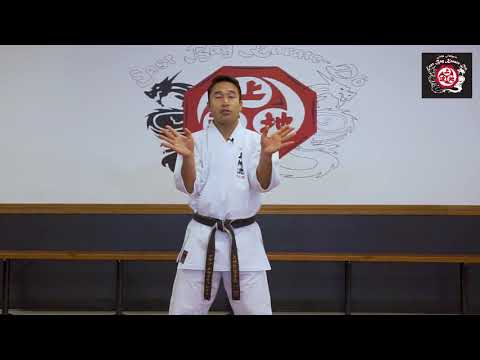
Keep your hands open rather than gripped, and don't focus on the grip initially. According to the East Bay Karate-Do tutorial, hands should be open and ready before you execute the block.
How far from my body should I perform a circle block?
Block away from your body rather than too close to it. If you're blocking so close that you accidentally slap yourself, you're definitely too close to the body.
What are the main movement phases in a circle block?
The circle block involves two main motions: down and around. The preparatory steps are down and around, similar to Sat Uke but with open hands instead of a closed fist.
How does the Circle Out work?
The Circle Out is a lateral movement technique where the fighter moves in a circular path away from the opponent, maintaining distance while continuously changing the angle. Circling out is the primary defensive movement for fighters who want to stay at range, using the circular path to keep the opponent constantly adjusting their position and unable to set up combinations.
Where does the Circle Out come from?
Circling out has been a fundamental boxing movement since the sport's codification, used by defensive fighters to control range and frustrate aggressive opponents. Muhammad Ali's circular movement around the ring became one of the most famous defensive strategies in boxing history.
Danger rating 1/10. Low — evasion techniques avoid contact entirely; lowest injury risk of all techniques
How do I set up the Circle Out?
The standard setup chain: Anticipate the Attack → Execute Defence → Recover Stance → Counter or Disengage.
How do I defend against the Circle Out?
Standard counters include: Timing — attack when the defence is recovering or between movements / Feint — use deception to create openings in the defensive structure / Angle Change — attack from an unexpected angle that the defence does not cover.
What are the variants of the Circle Out?
Common variants: Standard defence (primary defensive technique from the most common position); Reactive defence (triggered by the opponent's attack, minimal movement for …); Proactive defence (anticipating the attack and positioning to neutralise it …); Counter defence (using the defensive movement to create an immediate count…).
How effective is the Circle Out in competition?
Muhammad Ali used circular movement as his primary defensive strategy throughout his career, notably against George Foreman in the 'Rumble in the Jungle' (1974), where his ring movement contributed to one of boxing's most famous upsets.
What are common mistakes when doing the Circle Out?
Top errors to watch for: Circling directly backward into the cage — circle LATERALLY along the cage, not backward into it / Circling toward the opponent's power hand — generally circle toward their weaker side / Breaking your stance during the circle — maintain proper stance width and guard throughout / Circling without any offensive action — jab, post, or counter while circling to discourage pursuit.
What are other names for the Circle Out?
The Circle Out is also known as Sākuru Auto, Ring Circling, Circle Away, Lateral Circle.