Uchi waza _ striking techniques
0
Oji Waza·Avi Rokah
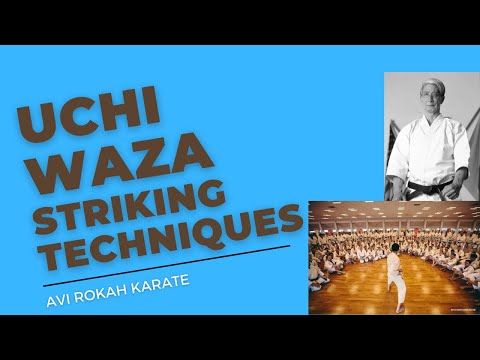
Uchi Waza - striking techniques are quick sharp sock techniques, which are flexible and can be used from many angles. 0:…
Перевод: Responding Techniques
Ōji Waza (counter techniques) are defensive-offensive tactics in kendō where the defender responds to the opponent's attack with a parry, block, or evasion followed by an immediate counter-strike, including nuki-waza (avoiding and striking), suriage-waza (sliding parry and striking), and kaeshi-waza (block-and-return strike). [1] Ōji waza embody the principle of go-no-sen (seizing the initiative after the opponent moves), requiring superior timing, reading ability, and calm under pressure. [1],[2] High-level kendō practitioners often favour ōji-waza because a successful counter demonstrates mastery of distance, timing, and composure. [2],[3]
Oji waza (responsive techniques) are counter-attacking actions in kendo, including nuki-waza (evading and cutting), suriage-waza (sliding the shinai up against the opponent's attack), kaeshi-waza (blocking and returning), and uchiotoshi-waza (striking down the opponent's shinai). [1] Oji waza require superior timing and reading of the opponent's intentions, and are generally associated with more experienced and higher-ranked kendoka. [2]
Oji waza (counter techniques) in kendo include nuki waza (evasion), suriage waza (deflection), and kaeshi waza (return strikes), responding to the opponent's attack. [1]
Oji waza are valued highly in kendo competition as they demonstrate superior reading of the opponent. Kaeshi-dō (counter to the torso) is one of the most spectacular scoring techniques at World Championship level. [1]
Изображений для этой техники пока нет.
Войдите, чтобы предложить изображение.
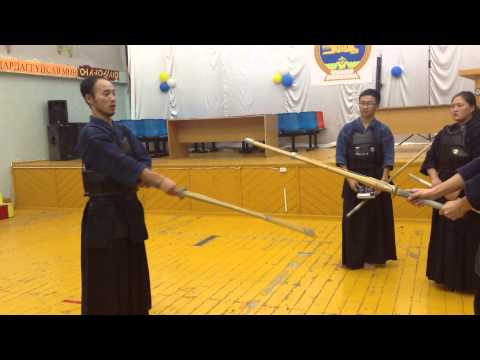
Uchi Waza - striking techniques are quick sharp sock techniques, which are flexible and can be used from many angles. 0:…
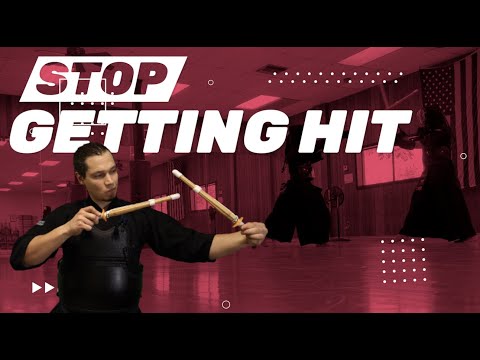
#kendo #剣道 #samurai When doing Oji waza in kendo many people become reactive and this is why they often get hit. Here …
Oji waza (応じ技) represents the defensive counter-attacking category of kendo technique, contrasting with shikake waza (initiatory attacks). According to Kendo Tips, successful oji waza requires foundational mastery of shikake waza, not because shikake is simpler but because it teaches practitioners to recognize openings, understand opponent reactions, and develop proper timing and distance judgment. The core principle of oji waza execution is maintaining constant forward pressure toward the opponent rather than passively waiting for their attack; this pressure allows the practitioner to anticipate the opponent's movement decision and counter at the precise moment they commit. Kendo Tips emphasizes that practitioners should not retreat or reduce pressure, as this invites stronger attacks and negates the timing advantage. The transition from shikake to oji waza involves three progressive drill stages: reading opponent movement while in engaged kamae, stepping forward as the opponent approaches, and finally responding to genuine attacks with proper distance, target selection, and abbreviated footwork. Common oji waza applications include menkaeshido (counter to overhead strikes), where waiting passively results in being struck, whereas maintaining pressure enables successful anticipation and response. Avi Rokah's treatment of striking mechanics (uchi waza) provides complementary insight into the sharp, quick contact essential for effective oji waza counters, emphasizing elbow-centered snap action, brief momentum transfer, and variable angles of attack. The instructors collectively stress that oji waza mastery depends on psychological and mechanical awareness: knowing when pressure will provoke a reaction, and executing counters with precise timing rather than speed alone.
Сформировано на основе 3 инструкторов
Учебных курсов по этой технике пока нет.
Войдите, чтобы предложить курс.
Риск травмы для человека, к которому применяется техника
Edged weapons cause fatal lacerations; historical battlefield mortality rates >30% (Amberger 1999)
Уровень мастерства, необходимый для надёжного выполнения техники
Разрешена ли техника по основным соревновательным правилам
The Book of Five Rings (Miyamoto Musashi, 1645)
Alias sources — [1] Japanese Swordsmanship (Warner & Draeger, 1982) [2] Japanese Swordsmanship (Warner & Draeger, 1982) [3] Japanese Swordsmanship (Warner & Draeger, 1982)
Effectiveness sources — [1] All Japan Kendo Federation, Kendo Official Manual (AJKF) [2] Warner, G. & Draeger, D., Japanese Swordsmanship: Technique and Practice (Weatherhill, 1982)
Established Japanese martial arts naming convention — native Japanese term (和語/漢語)
Alias sources — [1] Japanese Swordsmanship (Warner & Draeger, 1982) [2] Japanese Swordsmanship (Warner & Draeger, 1982) [3] Japanese Swordsmanship (Warner & Draeger, 1982)
Effectiveness sources — [1] All Japan Kendo Federation, Kendo Official Manual (AJKF) [2] Warner, G. & Draeger, D., Japanese Swordsmanship: Technique and Practice (Weatherhill, 1982)
wrist control for edge alignment, grip endurance, footwork precision
quick wrists, strong forearms, good posture
forearm extensors/flexors, deltoids, core, calves
You want to keep constant pressure forward toward your opponent so you can anticipate when they're about to move, then strike at the moment they commit to their attack—not before and not after. According to Kendo Tips, the key is catching them at the decision point when they've committed to moving, which allows you to counter effectively.
Shikake Waza and Oji Waza are very similar, and the skills you develop in Shikake Waza—especially maintaining forward pressure and understanding timing—are 100% transferable to Oji Waza. The pressure and anticipation skills from initiating attacks directly apply to countering attacks.
Maintaining forward pressure allows you to control the engagement and anticipate your opponent's movements rather than reacting to their pressure. Kendo Tips emphasizes that you want to be the one initiating the pressure, not waiting passively for your opponent to attack out of desperation.
Ōji Waza (counter techniques) are defensive-offensive tactics in kendō where the defender responds to the opponent's attack with a parry, block, or evasion followed by an immediate counter-strike, including nuki-waza (avoiding and striking), suriage-waza (sliding parry and striking), and kaeshi-waza (block-and-return strike). Ōji waza embody the principle of go-no-sen (seizing the initiative after the opponent moves), requiring superior timing, reading ability, and calm under pressure.
Ōji waza derive from the kenjutsu principle of go-no-sen, where the defender draws out the opponent's committed attack and exploits the resulting opening. This tactical approach was central to many koryū schools and has been systematised in modern kendō pedagogy alongside shikake waza.
FIK Kendo: разрешён — Legal, valid strike requires correct form (datotsu-bu), spirit (kiai), and fo…
Оценка опасности 9/10. Extreme — edged weapons cause fatal lacerations; historical battlefield mortality rates >30% (Amberger 1999)
Стандартная цепочка подготовки: Ready Position → Distance Control → Execute Technique → Return to Guard.
Стандартные контрприёмы: Guard Position — return to a defensive ready stance / Distance Management — control the measure to avoid being in range / Counter-Attack — strike during the opponent's recovery or between movements.
Распространённые варианты: Standard cut (primary cutting angle from the ready stance); Thrust (tsuki) (straight thrust targeting the throat, chest, or face); Rising cut (kiri-age) (upward diagonal cut from low to high); Diagonal cut (kesa-giri) (downward diagonal cut following the kimono line).
Oji waza are valued highly in kendo competition as they demonstrate superior reading of the opponent. Kaeshi-dō (counter to the torso) is one of the most spectacular scoring techniques at World Championship level.
Основные ошибки, на которые стоит обратить внимание: Attempting oji waza without understanding the opponent's attack pattern — the counter must match the specific attack / Countering too early (before the opponent commits) — the opponent will change their attack if the counter is premature / Countering too late (after the attack has landed) — the timing window for oji waza is narrow; delayed responses fail / Using oji waza passively — oji waza requires active reading and decisive response, not passive waiting.
Oji Waza также известен как Response Technique, Counter Technique — Kendo, Reactive Waza.