Every Martial Art That WORKS In A Street Fight
0
Art-Specific Throw·MMA Unpacked
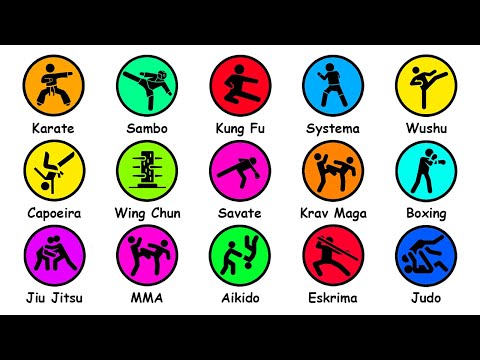
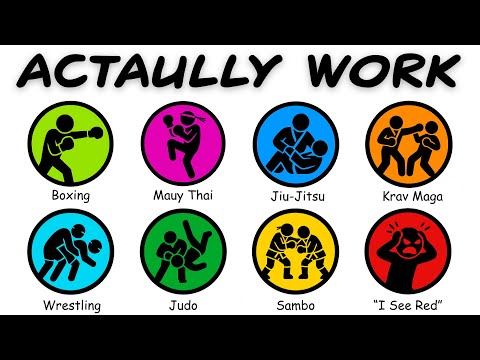
Every Martial Art That ACTUALLY Works In The Street Explained In 8 Minutes. Subscribe and activate the bell if you enjo…
Перевод: Throwing technique
The Throw group covers all standing throwing techniques where the thrower uses leverage, momentum, and body mechanics to project the opponent through the air onto the ground — the most spectacular and technically demanding techniques in martial arts. [1] Throws are classified in judo as nage waza and divided by primary mechanism: te waza (hand throws), koshi waza (hip throws), and ashi waza (foot/leg techniques). [1],[2] Unlike takedowns which drive the opponent to the mat, throws typically involve the thrower remaining standing while the opponent is airborne — in judo, a perfectly executed throw scores ippon (instant victory). [2],[3] Throws appear across virtually every martial art, and the physics of throwing (kuzushi, tsukuri, kake) represent some of the most elegant applications of biomechanics in combat. [3]
Throwing techniques are among the most ancient combat skills, depicted in Egyptian tomb paintings (c. 2000 BCE) and central to ancient Greek pale. [1] Jigoro Kano formalised throwing when he founded Kodokan judo in 1882, classifying throws by mechanism (hand, hip, foot, sacrifice) and establishing the kuzushi-tsukuri-kake framework. [1],[2] The original Kodokan Gokyo (1895) contained 40 throws; the modern Kodokan recognises 67 official techniques. [2],[3] Wrestling traditions contributed parallel systems — Greco-Roman suplexes and sambo's leg techniques enriched the global throwing vocabulary. [3]
Throws are among the most decisive techniques in combat — a clean judo throw scores ippon (instant victory), and in MMA, throws often stun or disorient the opponent on landing. [1] In Olympic judo, throwing ippon is the most common victory method. [2] MMA fighters with judo backgrounds (Ronda Rousey, Karo Parisyan) and wrestling throwing skills (Daniel Cormier, Khabib) have demonstrated throws as fight-ending techniques. [3]
Modern throwing traces primarily from Jigoro Kano's Kodokan judo (1882), which synthesised techniques from multiple koryu jujutsu schools. [1] Wrestling traditions (Greco-Roman, freestyle, catch-as-catch-can) contributed parallel throwing systems. [1],[2] Sambo merged judo and wrestling throwing traditions into a unified Soviet system in the 1920s-30s. [2]
Изображений для этой техники пока нет.
Войдите, чтобы предложить изображение.
Every Martial Art That ACTUALLY Works In The Street Explained In 8 Minutes. Subscribe and activate the bell if you enjo…
Join my Discord to discuss this video: https://discord.gg/yj7KAs33hw Every famous martial art gets explained in 12 minu…
Учебных курсов по этой технике пока нет.
Войдите, чтобы предложить курс.
Риск травмы для человека, к которому применяется техника
Throws carry significant injury risk from high-amplitude impact; shoulder, head, neck, and spine injuries can occur; proper ukemi (breakfalling) is essential
Уровень мастерства, необходимый для надёжного выполнения техники
Разрешена ли техника по основным соревновательным правилам
Kodokan Judo (Jigoro Kano, 1986)
Description sources — [1] Kodokan Judo (Kano, 1986) on nage waza classification [2] Best Judo (Inokuma & Sato, 1979) on throwing mechanics [3] Judo Formal Techniques (Otaki & Draeger, 1983)
History sources — [1] Combat Sports in the Ancient World (Poliakoff, 1987) [2] Kodokan Judo (Kano, 1986) [3] IJF historical records
Official Kodokan ground technique classification system
Description sources — [1] Kodokan Judo (Kano, 1986) on nage waza classification [2] Best Judo (Inokuma & Sato, 1979) on throwing mechanics [3] Judo Formal Techniques (Otaki & Draeger, 1983)
History sources — [1] Combat Sports in the Ancient World (Poliakoff, 1987) [2] Kodokan Judo (Kano, 1986) [3] IJF historical records
explosive hip power, grip strength, timing
lower centre of gravity (easier to fit under opponent), strong legs, flexible hips
hip flexors/extensors, latissimus dorsi (pulling power), quadriceps, forearms (grip), core (rotational force)
Каждое движение в любом боевом искусстве обладает рядом универсальных свойств. Комбинируйте параметры ниже, чтобы найти нужный инструмент или сравнить аналоги из разных стилей.
Art-specific throws come from martial arts outside judo and wrestling — Hapkido (474 passages/61 books), Sanda (248/79), Shuai Jiao (10/8), and others. Each art has distinctive throwing mechanics shaped by its rules and traditions. (61+ books; Hapkido, Sanda, and Chinese martial arts texts)
Judo teaches you to use your opponent's force against them by redirecting their momentum rather than overpowering them directly. A well-timed throw can flip someone over with their own momentum once you're in close, and grip fighting becomes a key skill to set up these techniques until they become automatic.
While Judo focuses on redirecting an opponent's energy and using timing to throw with minimal effort, Jujitsu students are sometimes taught joint-locking throws and break-falling skills that allow them to practice more dangerous throws safely.
The Throw group covers all standing throwing techniques where the thrower uses leverage, momentum, and body mechanics to project the opponent through the air onto the ground — the most spectacular and technically demanding techniques in martial arts. Throws are classified in judo as nage waza and divided by primary mechanism: te waza (hand throws), koshi waza (hip throws), and ashi waza (foot/leg techniques).
Throwing techniques are among the most ancient combat skills, depicted in Egyptian tomb paintings (c. 2000 BCE) and central to ancient Greek pale.
IJF: разрешён — Legal throwing technique; IBJJF: разрешён — Legal at all belt levels; UWW: разрешён — Legal in both freestyle and Greco-Roman; Unified MMA: разрешён — Legal throwing technique; ADCC: разрешён — Legal; FIAS Sport Sambo: разрешён — Legal; FIAS Combat Sambo: разрешён — Legal
Оценка опасности 7/10. High — throws carry significant injury risk from high-amplitude impact; shoulder, head, neck, and spine injuries can occur; proper ukemi (breakfalling) is essential
Стандартная цепочка подготовки: Grip Fighting (Kumi Kata) → Kuzushi → Tsukuri → Kake → Follow Through → Transition.
Стандартные контрприёмы: Counter-throw (kaeshi waza) — redirecting the opponent's throwing momentum / Block and Post — posting a leg to prevent rotation / Sprawl — dropping hips to prevent getting underneath / Grip Break — stripping grips before throw initiation.
Распространённые варианты: Hip throws (koshi waza) (using the hip as fulcrum; includes o goshi, harai goshi, …); Hand throws (te waza) (using arm leverage; includes seoi nage, tai otoshi, kata …); Foot techniques (ashi waza) (sweeps, reaps, and hooks; includes de ashi barai, o soto …); Sacrifice throws (sutemi waza) (deliberately falling to execute; includes tomoe nage, sum…); Suplex variations (wrestling throws that lift and arc the opponent backward); Greco-Roman throws (upper-body-only including arm throws, headlocks, body loc…).
Throws are the primary scoring action in judo — ippon from a throw instantly wins the match. In Olympic judo, throwing ippon accounts for the majority of match victories.
Основные ошибки, на которые стоит обратить внимание: Attempting throws without kuzushi — trying to throw a balanced opponent requires enormous strength; break balance first / Bending at the waist instead of knees — proper mechanics require knee-level change; bending at waist causes back inju… / Turning too slowly during entry — the fit-in must be explosive; slow turns give time to counter / Not controlling the landing — in judo, uncontrolled throws don't score ippon; in MMA, losing position after throwing.
Art-Specific Throw также известен как Nage Waza, Standing Throw, Grappling Throw.