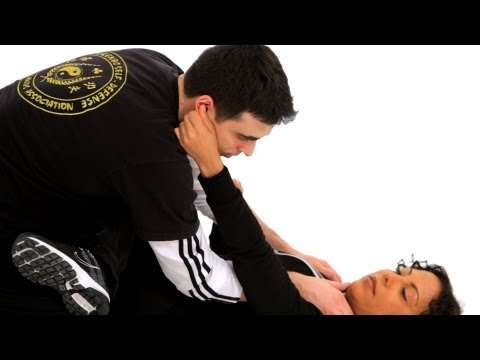
How to Do an Ear Pull | Self-Defense
0
Ear Pull·Howcast
Full Playlist - https://www.youtube.com/playlist?list=PLLALQuK1NDrigB-xTBLJV4vZwOXfxbPnM - - watch more Basic Self-Defen…
Перевод: ear pull
Ear pulls use gripping or pulling force on the opponent's ear to generate sharp pain and force positional changes. [1],[2] While not a structural submission (no joint or vascular compromise), ear pulls can force an opponent to turn their head, abandon a defensive posture, or create an opening for a choke or armlock. Ear manipulation techniques are legal in most competition formats but rarely decisive. [3],[4]
Ear manipulation techniques appear in classical jujutsu schools including Takenouchi-ryū and Sekiguchi-ryū, where kyusho (vital point) techniques targeted the ears as part of comprehensive combat systems. [1],[2] In modern grappling, ear pulls are considered unsportsmanlike by some but remain technically legal. [3],[4]
Ear pulling creates intense pain by gripping and pulling the ear cartilage, used as a pain compliance technique. [1]
Ear manipulation appears in self-defence systems and traditional jūjutsu. [1]
Ear pulling is banned in virtually all competitive formats (IBJJF, MMA, wrestling). [1]
Изображений для этой техники пока нет.
Войдите, чтобы предложить изображение.
Full Playlist - https://www.youtube.com/playlist?list=PLLALQuK1NDrigB-xTBLJV4vZwOXfxbPnM - - watch more Basic Self-Defen…
Учебных курсов по этой технике пока нет.
Войдите, чтобы предложить курс.
Риск травмы для человека, к которому применяется техника
Ear pull is a pain compliance technique with minimal structural injury risk
Уровень мастерства, необходимый для надёжного выполнения техники
Разрешена ли техника по основным соревновательным правилам
Koryu Jujutsu — Takenouchi-ryu, Sekiguchi-ryu kyusho techniques
Japanese terminology sourced from Koryu Jujutsu — Takenouchi-ryu, Sekiguchi-ryu kyusho techniques
Classical schools: Tenjin Shin'yo-ryu, Takenouchi-ryu, etc.
Standard Japanese martial arts terminology (kanji/hiragana)
Established Japanese martial arts naming convention — native Japanese term (和語/漢語)
Japanese terminology sourced from Koryu Jujutsu — Takenouchi-ryu, Sekiguchi-ryu kyusho techniques
grip strength, joint isolation ability, positional control
strong forearms and stable base
forearm flexors, core stabilisers, hip muscles for base
Каждое движение в любом боевом искусстве обладает рядом универсальных свойств. Комбинируйте параметры ниже, чтобы найти нужный инструмент или сравнить аналоги из разных стилей.
The ear pull from the clinch is a pain compliance technique where the attacker grips the opponent's ear and pulls or twists it while maintaining a standing clinch position. [1,2] The intense pain from the ear cartilage being stretched or twisted can force positional compliance — the opponent moves their head in the direction the ear is pulled to relieve the pain. [1] From the clinch, the ear pull can be used to off-balance the opponent, create openings for takedowns, or force a release of their grips. [1] While not a joint lock, the pain can force a verbal or physical submission. [1,2]
The ear pull from guard is a pain compliance technique where the attacker, while playing guard, grips the opponent's ear and pulls or twists to create pain and disrupt posture. [1,2] From closed or open guard, the attacker reaches for the opponent's ear during close-range engagement and uses the pulling force to break the opponent's posture downward, creating openings for chokes, sweeps, or transitions. [1] The ear pull is primarily a disruptive technique rather than a finish — it forces the opponent to address the pain, momentarily stopping their passing attempts. [1,2]
The standing ear pull is a pain compliance technique applied during upright confrontations by gripping and pulling or twisting the opponent's ear to control their head position and movement. [1,2] The pain from ear cartilage manipulation forces the opponent to follow the direction of the pull, allowing the attacker to steer them, off-balance them, or set up takedowns. [1,3] In self-defense contexts, the standing ear pull can serve as a quick compliance tool to control an aggressor without striking. [1] It is considered a 'dirty' technique in sport but practical in self-defense and law enforcement. [1,2]
Yes, according to Howcast self-defense instruction, the ear pull works regardless of opponent size because the pain response is universal—it doesn't matter how large the other person is, it will hurt significantly.
Pull to the side, not toward you. Howcast emphasizes that pulling the opponent closer to you is unrealistic and leaves you vulnerable to being punched, so directing them to the side is the correct technique.
Place all four fingers behind the ear rather than grabbing from the front, as Howcast instruction notes this positioning makes the technique much easier to execute effectively.
Ear pulls use gripping or pulling force on the opponent's ear to generate sharp pain and force positional changes. While not a structural submission (no joint or vascular compromise), ear pulls can force an opponent to turn their head, abandon a defensive posture, or create an opening for a choke or armlock.
Ear manipulation techniques appear in classical jujutsu schools including Takenouchi-ryū and Sekiguchi-ryū, where kyusho (vital point) techniques targeted the ears as part of comprehensive combat systems. In modern grappling, ear pulls are considered unsportsmanlike by some but remain technically legal.
IBJJF: ограничен — Varies — pressure-based controls may be legal but direct pain holds without s…; IJF: запрещён — Not a recognized submission category in judo; ADCC: разрешён — Legal; Unified MMA: разрешён — Legal; FIAS Sport Sambo: ограничен — Varies by application; FIAS Combat Sambo: разрешён — Legal
Оценка опасности 2/10. Ear pull is a pain compliance technique with minimal structural injury risk
Стандартная цепочка подготовки: Achieve Controlling Position → Isolate the Neck → Set the Grip → Apply Pressure.
Стандартные контрприёмы: Tuck Chin — protect the neck by lowering the chin to prevent the choke from sinking / Two-on-One Grip Fight — use both hands to strip the choking grip before it locks / Turn Into — rotate toward the choking arm to relieve carotid pressure / Posture Up — straighten the spine and create distance to break the choking angle.
Распространённые варианты: Standard variation (primary grip configuration and finishing angle); Gi variation (using the gi material for grip assistance and control); No-gi variation (adapted grips for submission grappling without the gi); Transition variation (applied during a positional change or scramble).
Ear pulling is banned in virtually all competitive formats (IBJJF, MMA, wrestling).
Основные ошибки, на которые стоит обратить внимание: Using ear pulls in competition — this technique is illegal in virtually all competitive formats; know the rules / Pulling with the fingers only — use the whole hand to cup and control the ear; finger-only grips slip off / Expecting the ear pull to be a finishing technique — it is a compliance tool for creating movement and transitions, n… / Applying without head control — the ear pull works best when combined with other head control (collar tie, cross-face).
Ear Pull также известен как Mimi-biki, Ear Grab, Mimi-tori, Ear Pressure.