Standard Turtle

Подсемейство

Перевод: standard turtle

Дистанция и классификация

Категория
Удар и защитаЗамкиБлижний бойБой против нескольких
Дистанция
БлижняяСредняяДальняя

Обзор

The Standard Turtle subfamily covers the basic defensive turtle position with the fighter on hands and knees, elbows tight to the body, chin tucked, and head down to protect against chokes and submissions. [1] The standard turtle provides a stable defensive base while keeping the arms close to prevent arm attacks and the chin tucked to prevent choke entries. [1],[2] From standard turtle, the defender works to escape via sit-outs, rolls, guard pulls, or stand-ups. [2],[3]

Также известна как
Basic Turtle[1]Standard Turtle Defence[2]Kame no Kamae (亀の構え)JP[3]
Используется в

История и происхождение

The standard turtle is a fundamental defensive position in wrestling and judo, adapted for BJJ with additional emphasis on neck and arm protection against chokes and arm locks. [1] It is one of the first defensive positions taught in grappling. [2],[3]

Страна происхождения· показано в случайном порядке

  • БразилияБразильское джиу-джитсу, ММА, Сабмишн-грэпплинг
  • Японияスタンダード亀(Sutandādo Kame)Бразильское джиу-джитсу, Дзюдо, Сабмишн-грэпплинг
  • ГрецияБорьба
  • СШАБорьба, ММА, Сабмишн-грэпплинг
  • РоссияСамбо

Эффективность

The standard turtle is the default all-fours defensive position. [1]

Родословная

The standard turtle is the fundamental turtle position in judo and BJJ. [1]

Соревновательные результаты

Commonly used in judo and BJJ competition. [1]

Изображения

Изображений для этой техники пока нет.

Войдите, чтобы предложить изображение.

Биомеханический механизм

Primary ActionUsing the legs and hips to control the opponent from the bottom — maintaining distance management and attack angles
Joints InvolvedHips (primary engine for sweeps and attacks), knees (framing and hooking), ankles (secondary hooks)
Force VectorPulling, framing, and hip-escaping — creating angles for attacks while preventing passing
Positional MechanicThe guard is an active offensive position — leg control compensates for bottom positioning by threatening sweeps and submissions

Позиция и вход

From pulling guard or being taken downEstablish the guard position using legs and hips to control the opponent from the bottom
From transitionMove between guard variations to maintain bottom control and create attack opportunities

Видео

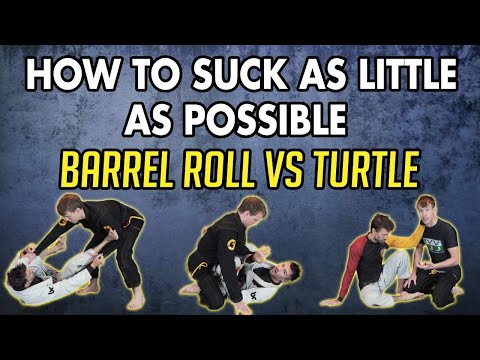
The Barrel Roll: When Turtle Turns Away From You

0
Standard Turtle·RVV BJJ

So far we have covered how to break your opponent down, and pull them towards you. However, many opponents will attempt

1 video

Изучить технику

Учебных курсов по этой технике пока нет.

Войдите, чтобы предложить курс.

Оценки

Уровень опасности

Риск травмы для человека, к которому применяется техника

3
Умеренный3/10

Turtle is a defensive shell position; vulnerable to back takes and chokes

Сложность

Уровень мастерства, необходимый для надёжного выполнения техники

Начинающий
Допустимость на соревнованиях

Разрешена ли техника по основным соревновательным правилам

Ограничено
Разрешено
IBJJF — Legal — common transitional position
IBJJF Rules Book v6.0, June 2024PDF
Unified MMA — Legal
Unified Rules of MMA, August 2025PDF
UWW — Legal — bottom position, opponent works to turn/pin
UWW International Wrestling Rules, January 2026PDF
FIAS Sport Sambo — Legal
FIAS International Sambo Competition RulesPDF

Заметки по тренировке

Standard turtle is the basic all-fours defensive position: knees and hands on the mat, elbows in, chin tucked, and body compact — the default turtle configuration used when guard is about to be passed (Marcelo Garcia, Advanced Brazilian Jiu-Jitsu, 2011)
Standard turtle structure: knees under the hips (not splayed), hands close to the knees, elbows tight against the body, and head tucked
The standard turtle provides: neck protection (chin tucked), arm protection (elbows tight), and a platform for all escape directions
From standard turtle, escape options are: sit-out to the left or right, guard pull by shooting the legs through, standup by posting and rising, or granby roll
The standard turtle should feel like a loaded spring: ready to explode in any direction at any moment
Standard turtle in wrestling is the referee's position bottom: the wrestler is ready to stand, sit-out, or switch
Training standard turtle: partner attacks from behind while you maintain structure and attempt escapes — timed rounds

Типичные ошибки

!Splaying the knees too wide — the knees should be under the hips for a compact structure
!Keeping the elbows away from the body — tight elbows prevent the opponent from threading arms through
!Lifting the head and exposing the neck — the chin must stay tucked at all times
!Placing the hands too far forward — the hands should be close to the knees for a compact position
!Staying in standard turtle without escaping — the position is for immediate escape, not holding
!Not training escapes from the standard turtle position — every training session should include turtle escapes
!Using standard turtle as a default guard position — always attempt to recover guard rather than turtle

Связанные техники

Контрприёмы

Цепочка подготовки

1Achieve Guard Contactestablish leg control around or against the opponent
2Control Gripssecure sleeve, collar, or wrist control for manipulation
3Manage Distanceuse legs and grips to control the range and prevent passing
4Threaten Submissions/Sweepscreate offensive threats to keep the opponent reactive

Источники и ссылки

Основной источник

Jiu-Jitsu University (Saulo Ribeiro, 2008)

1КнигаKodokan Judo (Kano, 1986)

Alias sources — [1] IBJJF Rules (2024) [2] Kodokan Judo (Kano, 1986) [3] Jiu-Jitsu University (Ribeiro, 2008)

2КнигаJiu-Jitsu University (Ribeiro, 2008)

Effectiveness sources — [1] Jiu-Jitsu University (Ribeiro, 2008)

Official Kodokan ground technique classification system

4ДругоеJapanese Martial Arts Hybrid Terminology

Mixed Japanese-Western terminology — combines traditional Japanese terms with katakana loanwords

5ЦитатаKodokan Judo (Kano, 1986)

Alias sources — [1] IBJJF Rules (2024) [2] Kodokan Judo (Kano, 1986) [3] Jiu-Jitsu University (Ribeiro, 2008)

6ЦитатаJiu-Jitsu University (Ribeiro, 2008)

Effectiveness sources — [1] Jiu-Jitsu University (Ribeiro, 2008)

Сообщество

Атлетизм

Requires

hip flexibility, active legs, grip management

Favours

long legs for distance control and guard retention

Key muscles

hip flexors, adductors, quadriceps, core, grip

Подтехники

Ищите по тому, что делает техника, — а не по её названию

Каждое движение в любом боевом искусстве обладает рядом универсальных свойств. Комбинируйте параметры ниже, чтобы найти нужный инструмент или сравнить аналоги из разных стилей.

Категория
Дистанция

Часто задаваемые вопросы

What offensive options do I have once I establish back control from the turtle position?

Once you have back control with hooks and a seatbelt grip, you can add rear attacks like chokes, rear triangles, and arm submissions. RVV BJJ emphasizes that you can't go wrong with these back control offenses.

What's a common mistake when trying to pull someone toward me from the turtle position?

A common issue is having a hook and seatbelt grip but failing to effectively pull your opponent toward you, which can cause the attack to go wrong. Proper positioning and control are essential to make this work.

Как работает Standard Turtle?

The Standard Turtle subfamily covers the basic defensive turtle position with the fighter on hands and knees, elbows tight to the body, chin tucked, and head down to protect against chokes and submissions. The standard turtle provides a stable defensive base while keeping the arms close to prevent arm attacks and the chin tucked to prevent choke entries.

Откуда происходит Standard Turtle?

The standard turtle is a fundamental defensive position in wrestling and judo, adapted for BJJ with additional emphasis on neck and arm protection against chokes and arm locks. It is one of the first defensive positions taught in grappling.

Разрешён ли Standard Turtle на соревнованиях?

IBJJF: разрешён — Legal — common transitional position; IJF: ограничен — Legal position but extended turtle without attacking penalized for non-combat…; ADCC: разрешён — Legal; Unified MMA: разрешён — Legal; UWW: разрешён — Legal — bottom position, opponent works to turn/pin; FIAS Sport Sambo: разрешён — Legal

Насколько опасен Standard Turtle?

Оценка опасности 3/10. Moderate — turtle is a defensive shell position; vulnerable to back takes and chokes

Как подготовить Standard Turtle?

Стандартная цепочка подготовки: Achieve Guard Contact → Control Grips → Manage Distance → Threaten Submissions/Sweeps.

Как защититься от Standard Turtle?

Стандартные контрприёмы: Guard Pass — systematically work to clear the legs and establish a dominant position / Leg Pin — control one or both legs to neutralize guard retention / Pressure Passing — use heavy chest pressure to flatten and immobilize the guard player.

Какие есть варианты Standard Turtle?

Распространённые варианты: Standard guard (primary leg and grip configuration for control and attack…); Offensive guard (configured for sweeps and submissions); Defensive guard (prioritising distance management and preventing passes); Transition guard (moving between guard types to adjust to the opponent's pa…).

Насколько эффективен Standard Turtle на соревнованиях?

Commonly used in judo and BJJ competition.

Какие типичные ошибки при выполнении Standard Turtle?

Основные ошибки, на которые стоит обратить внимание: Splaying the knees too wide — the knees should be under the hips for a compact structure / Keeping the elbows away from the body — tight elbows prevent the opponent from threading arms through / Lifting the head and exposing the neck — the chin must stay tucked at all times / Placing the hands too far forward — the hands should be close to the knees for a compact position.

Какие ещё названия есть у Standard Turtle?

Standard Turtle также известен как Sutandādo Kame, Basic Turtle, Standard Turtle Defence, Kame no Kamae (亀の構え).